
Glazed honey bun
Glazed honey bun provides 372 kcal per 100 g, with 23.4 g of sugars and 4.3 g of protein. Its Nutri-Score is E and it is classified as NOVA 4 (ultra-processed food). It is listed in the Pastries category. Contains: eggs, gluten, milk, soybeans.
Nutrient levels per 100 g
Levels use UK front-of-pack reference thresholds.
Nutrition facts
Serving size: 1 honey bun (94 g)
| Nutrient | Per 100 g | Per serving | % DV* | Category avg |
|---|---|---|---|---|
| Calories | 372 kcal | 350 kcal | 388 | |
| Total fat | 19.2 g | 18 g | 23% | 17.8 +7% |
| Saturated fat | 7.5 g | 7 g | 35% | 7.5 |
| Carbohydrates | 46.8 g | 44 g | 16% | 51 −8% |
| Total sugars | 23.4 g | 22 g | 25.8 −9% | |
| Dietary fiber | 1.1 g | 1 g | 4% | 2.3 −52% |
| Protein | 4.3 g | 4 g | 8% | 5.7 −25% |
| Salt | 0.5 g | 0.5 g | 0.6 −25% |
*% Daily Value for a serving, based on a 2,000-calorie diet (FDA reference values). Category average across 4264 Pastries products on Foodmetria.
Serving size from the US product label in USDA FoodData Central, label data from October 2021. Other values: Open Food Facts.
Compared with other pastries
Bar shows the share of products in this category that contain less of the nutrient.
Ingredients
Honey bun (wheat flour, enriched, (wheat flour, niacin, reduced iron, thiamine mononitrate, riboflavin, folic acid and enzyme), water, vegetable shortening (palm oil, fully and/or partially hydrogenated soybean oil, and/or partially hydrogenated cottonseed oil, cottonseed oil, and/or soybean oil, mono and diglycerides and polyglycerol esters and/or bht and/or tocopherol and/or citric acid), canola oil, tocopherols, sugar, dextrose, honey, yeast, egg yolks, soy flour, salt, dried milk powder, calcium sulfate, artificial flavors, calcium propionate (to maintain freshness), sodium acid pyrophosphate, sodium aluminum phosphate, tricalcium phosphate, sodium bicarbonate, ethoxylated monoglycerides, monoglycerides, lecithin, rice flour, sodium stearoyl lactylate, mono and diglycerides, ascorbic acid, sorbitan monostearate, corn starch, malted barley flour, azodicarbonamide, sunflower oil, enzyme, ammonium sulfate); glaze (sugar, water, corn starch, partially hydrogenated soybean oil, calcium sulfate and/or calcium carbonate, agar, dextrose, natural and artificial flavors, salt, disodium phosphate, locust bean gum and/or mono and diglycerides), sugar, ground cinnamon.
- Allergens
- EggsGlutenMilkSoybeans
Additives 18
Overexposure risk is based on EFSA evaluations as recorded by Open Food Facts.
Regulatory status of its additives
How the US, individual states and the EU treat additives found in this product's ingredient list.
European Union
Azodicarbonamide (E927a) is not on the EU list of authorised food additives.
What these additives are and what the research says: Azodicarbonamide.
Additives are detected from the ingredient list by Open Food Facts and may be incomplete or out of date. Regulatory status checked October 6, 2026; rules are changing quickly. Not legal advice — always check the package label.
Product details
- Serving size
- 1 honey bun (94 g)
- Sold in
- United States
- Barcode
- 0072470001566
Prices reported by shoppers
Loading prices…
Frequently asked questions
How many calories are in Glazed honey bun?
Glazed honey bun contains 372 kcal per 100 g and about 350 kcal per serving (1 honey bun (94 g)).
How much sugar is in Glazed honey bun?
Glazed honey bun has 23.4 g of sugars per 100 g, which is considered high by UK front-of-pack guidelines.
Is Glazed honey bun healthy?
It has a Nutri-Score of E (A is best, E is worst); it is in NOVA group 4 — ultra-processed food. Scores describe nutritional quality and processing, not suitability for your individual diet.
Is Glazed honey bun vegan?
Based on its ingredient list, it is not vegan.
What allergens does Glazed honey bun contain?
According to the label data it contains: Eggs, Gluten, Milk, Soybeans. Recipes change — always check the package label.
Does Glazed honey bun contain additives restricted in the US or the EU?
Its ingredient list includes Azodicarbonamide (E927a). The EU does not authorise it as a food additive. Recipes change — check the package label.
Source: Open Food Facts (ODbL). Last updated April 23, 2020. Spotted a mistake? Edit this product on Open Food Facts. Not medical advice — always check the package label.
Reviews
Compare & rankings
Healthier alternatives
Best in category →Same category, meaningfully better on at least one measure and no worse on the others. Each card shows what improves.
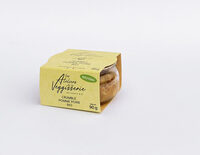 a NOVA 3
 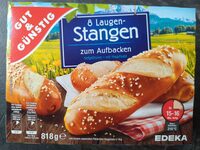 b NOVA 3
 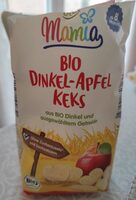 c NOVA 3
 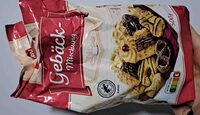 c
c More pastries
View all → e NOVA 4
  e NOVA 4
  e NOVA 4
  e NOVA 4
  d NOVA 4
  d NOVA 3