
Citric acid (E330)
Updated October 20, 2026
Citric acid (E330) is the sourness in most things that taste sour without tasting of fruit. It is a natural constituent of plant and animal tissue — US regulation says so in the definition — but the citric acid in your food was almost certainly not squeezed from a lemon: the regulation names fermentation with Aspergillus niger and Candida species as production routes alongside citrus and pineapple juice. Regulators have never set a numerical limit for it: the WHO/FAO expert committee calls its ADI "not limited" and the EU's is "not specified". The one widely circulated concern, that manufactured citric acid triggers inflammation, rests on four case reports whose own authors say they cannot establish causation.
Quick facts
- Also known as
- E330
- E-number
- E330
- Function
- Acids & acidity regulators
- US status
- Affirmed GRAS as a direct food ingredient (21 CFR 184.1033), used in food with no limitations other than current good manufacturing practice
- EU status
- Permitted as E 330. The Scientific Committee for Food set an ADI of "not specified" in 1990 and the Commission treats that assessment as valid pending EFSA re-evaluation
- Acceptable daily intake
- None needed: JECFA "not limited" (1973, group ADI with calcium, potassium, sodium and ammonium citrates); EU "not specified" (SCF, 1990)
- Found in
- 199,686 products (94,320 sold in the US)
- Foodmetria concern level
- Low concern How we rate additives
What is Citric acid?
Citric acid is 2-hydroxy-1,2,3-propanetricarboxylic acid — a small organic acid that US regulation describes as "a naturally occurring constituent of plant and animal tissues". It is in citrus fruit, and it is also a step in the energy cycle running in every cell of your body.
Where the additive actually comes from is the part people get wrong, and the regulation is unusually explicit about it. 21 CFR 184.1033 names three routes:
- recovery from lemon or pineapple juice;
- mycological fermentation using Candida species;
- solvent extraction of citric acid from Aspergillus niger fermentation liquor.
The last of these is the industrial workhorse. A. niger is a mould; fed sugar, it excretes citric acid, which is then extracted and purified. This is the factual basis of the "citric acid is made from mould" claim that circulates online — it is not a myth, it is in the Code of Federal Regulations. What does not follow from it is that the finished additive contains mould: what is sold is the extracted and purified acid, meeting Food Chemicals Codex specifications.
A common mix-up worth settling: citric acid is not vitamin C. Ascorbic acid is a different compound with its own E number (E300), and EU law lists them separately.
On labels it is citric acid or E330.
Why is Citric acid used in food?
Citric acid is probably the most useful single molecule in the additive toolbox, because it does four jobs at once and tastes clean doing them:
- Sourness. It supplies the tartness in soft drinks, sweets, jams and sauces — bright and fruit-like, unlike the sharper bite of phosphoric acid in cola.
- pH control. Holding acidity in a set range stabilises colour, texture, setting of pectin gels and the performance of preservatives.
- Antioxidant synergist and sequestrant. It binds trace metal ions that would otherwise catalyse oxidation, which is why it appears in fats, canned fish and processed fruit.
- Anti-browning. Cut apples and potatoes brown by enzymatic oxidation; an acid dip slows it down. The EU explicitly permitted citric acid alongside ascorbic acid for this purpose on packaged cut white vegetables in 2020, with food waste and a shelf-life extension of up to five days given as the reason.
In the US the permission is as broad as permissions get — GRAS with no limit beyond good manufacturing practice. In practice the limit is the tongue: too much is simply too sour to sell.
Is Citric acid safe? What the research says
Regulators have never needed a number. The WHO/FAO expert committee (JECFA) evaluated citric acid in 1973 and set its ADI as "not limited" — the older phrasing of its lowest-concern category — as a group ADI with the calcium, potassium, sodium and ammonium citrates. In the European Union the governing assessment is still the Scientific Committee for Food's 1990 opinion, with an ADI of "not specified"; the European Commission stated as recently as 2020 that it considers that assessment valid pending re-evaluation. Citric acid is one of the additives EFSA's re-evaluation programme has not yet reached.
In the US it is affirmed GRAS, usable with no limitation other than good manufacturing practice, and it is not on FDA's list of chemicals under post-market review.
The inflammation claim, examined. The most widespread modern concern traces to a single 2018 paper in Toxicology Reports by Sweis and Cressey, proposing that manufactured citric acid may elicit inflammatory reactions, possibly through residues of the A. niger used to make it. It is worth describing precisely, because the claim is usually repeated without its shape:
- it is a series of four case reports — four people, self-reported;
- symptoms were joint pain, swelling and stiffness, muscle pain, shortness of breath, abdominal cramping or bloating, and fatigue, beginning 2–12 hours after eating and resolving over 8–72 hours;
- the quantity of citric acid consumed could not be measured, because ingredient lists give only descending order;
- the authors state that they cannot conclusively affirm that manufactured citric acid is the causative factor, describe their mechanisms as hypotheses, and call for double-blind studies.
That is a hypothesis-generating paper doing its job honestly. It is not evidence of a population-level effect, no regulator has acted on it, and the double-blind studies its authors asked for have not, to our knowledge, been published. If you suspect you react to something, four case reports do not tell you it is citric acid — but they do describe a pattern worth mentioning to a clinician.
Teeth. Citric acid is an acid, and acids in the diet are the main driver of erosive tooth wear. The American Dental Association's position is that pH and buffering capacity together determine how erosive a food or drink is — yogurt at pH 4.0 is not considered erosive because its calcium buffers it — and that meta-analyses have associated soft drinks, acidic snacks and fruit juices with erosive wear. The ADA does not pin erosion on any individual acid, and neither do we; the practical handle is frequency and contact time, not the ingredient list.
Bottom line: citric acid is among the best-established and least restricted additives in food, its mould-derived origin is real and unremarkable, and the one circulating safety claim is four anecdotes that their own authors decline to overstate.
Citric acid regulation: US vs EU
| Region | Status |
|---|---|
| United States | Affirmed GRAS as a direct food ingredient (21 CFR 184.1033), used in food with no limitations other than current good manufacturing practice. The regulation names citrus or pineapple juice, Candida fermentation and Aspergillus niger fermentation liquor as production routes. Not on FDA's post-market review list as of October 2026. |
| European Union | Permitted as E 330. The Scientific Committee for Food set an ADI of "not specified" in 1990 and the Commission confirmed in 2020 that it considers this valid pending EFSA re-evaluation. Regulation (EU) 2020/1419 added use as an antioxidant at quantum satis on packaged cut fruit and vegetables for further processing, applicable from October 28, 2020. |
| United Kingdom | Permitted as E 330 (citric acid), listed in the "others" class of additives. |
| WHO / FAO (JECFA) | ADI "not limited" (1973), as a group ADI with calcium, potassium, sodium and ammonium citrates. |
In the United States, citric acid is affirmed as generally recognized as safe for use as a direct human food ingredient under 21 CFR 184.1033, "used in food with no limitations other than current good manufacturing practice". The same section defines the permitted production routes — citrus or pineapple juice, mycological fermentation with Candida species, or solvent extraction from Aspergillus niger fermentation liquor — and requires conformity with Food Chemicals Codex specifications. It is not on FDA's list of chemicals under post-market review (list page updated October 2, 2026).
In the European Union and United Kingdom it is authorised as E 330. The governing safety assessment remains the Scientific Committee for Food's 1990 opinion with an ADI of "not specified"; EFSA has not yet published a re-evaluation, and the Commission confirmed in Regulation (EU) 2020/1419 that it regards the 1990 assessment as still valid. That same regulation added citric acid, with ascorbic acid, as a permitted antioxidant at quantum satis on packaged peeled, cut and shredded fruit and vegetables intended for further processing (food category 04.1.2), applicable from 28 October 2020.
The WHO/FAO expert committee (JECFA) set the ADI as "not limited" in 1973, as a group ADI covering citric acid and its calcium, potassium, sodium and ammonium salts.
Who should limit or avoid Citric acid?
- People avoiding mould-derived ingredients. US regulation names Aspergillus niger fermentation as a production route, and manufacturers are not required to say which route produced the citric acid in a given product. If that matters to you — for belief-based rather than documented medical reasons — there is no way to tell from the label.
- People who suspect they react to it. Four published case reports describe delayed inflammatory symptoms attributed to manufactured citric acid, with onset 2–12 hours after eating. Causation was not established, and there is no test for it. If the pattern matches your experience, it is worth raising with a clinician rather than self-diagnosing from a label.
- Anyone worried about tooth erosion. Acid contact time matters more than which acid it is: sipping sour drinks through the day is the pattern dentists flag, not any single ingredient.
- Not an allergen, and not vitamin C. Citric acid is not one of the major food allergens, and it is a different compound from ascorbic acid (E300) despite both being associated with citrus.
- Fine for most diets. It is vegan, gluten-free and contributes no meaningful calories.
Foods that commonly contain Citric acid
Share of published products in each category whose ingredient list includes Citric acid.
Popular products with Citric acid
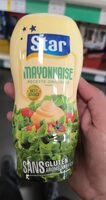 e NOVA 4
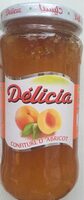 d NOVA 3
 e NOVA 4
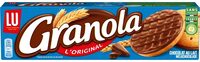 e NOVA 4
 NOVA 4
 b NOVA 4
 b NOVA 4
 c NOVA 4
 e NOVA 4
 b NOVA 4
Citric acid-free alternatives
Popular products from the same categories that don't list Citric acid and score Nutri-Score A–C.
 c
 c NOVA 3
 b NOVA 3
 c NOVA 4
 a NOVA 3
How to spot Citric acid on a label
Look for any of these names in the ingredient list:
Related additives
Frequently asked questions
Is citric acid safe?
Regulators treat it as among the least concerning additives. The WHO/FAO expert committee set its ADI as "not limited" in 1973, the EU assessment is "not specified", and in the US it is GRAS with no limit beyond good manufacturing practice.
Is citric acid made from mould?
Often, yes, and this is in the regulation rather than a rumour: 21 CFR 184.1033 names solvent extraction from Aspergillus niger fermentation liquor as a production route, alongside Candida fermentation and lemon or pineapple juice. What is sold is the purified acid, not the mould.
Is citric acid the same as vitamin C?
No. Vitamin C is ascorbic acid, a different compound with its own additive number (E300). Both are associated with citrus fruit, which is where the confusion comes from.
Does citric acid cause inflammation?
There is no evidence it does at a population level. The claim traces to a 2018 series of four case reports describing delayed joint, muscle and abdominal symptoms; the authors state they cannot conclusively affirm citric acid was the cause and call for double-blind studies, which have not followed.
Can citric acid damage teeth?
Dietary acid in general is the main driver of erosive tooth wear, and the American Dental Association associates soft drinks and acidic snacks with it. The ADA stresses that pH and buffering capacity together determine erosiveness and does not attribute erosion to one acid; contact time and frequency matter most.
Why is citric acid in almost everything?
Because it does four jobs at once: it supplies clean sourness, holds pH steady, binds trace metals that would otherwise speed up rancidity, and slows the browning of cut fruit and vegetables. Few additives are that versatile.
Is citric acid vegan and gluten-free?
Yes. It is produced from citrus juice or by fermenting sugar with Candida or Aspergillus niger, contains no animal material and no gluten, and is not one of the major food allergens.
Sources & references
- 21 CFR 184.1033 — Citric acid
- JECFA — Citric acid (INS 330), evaluation summary: ADI "not limited" (IPCS INCHEM)
- Commission Regulation (EU) 2020/1419 of 7 October 2020 amending Annex II to Regulation (EC) No 1333/2008 as regards the use of ascorbic acid (E 300) and citric acid (E 330) on white vegetables intended for further processing
- Sweis I.E., Cressey B.C. (2018). Potential role of the common food additive manufactured citric acid in eliciting significant inflammatory reactions contributing to serious disease states: A series of four case reports. Toxicology Reports 5:808–812
- American Dental Association — Nutrition and Oral Health (dietary acids and erosive tooth wear)
- UK Government — Approved additives and E numbers
- U.S. FDA — List of Select Chemicals in the Food Supply Under FDA Review
Product data: Open Food Facts (ODbL), updated daily. Additive information is for general education and is not medical advice. Always check the package label. Our methodology.