
Lecithin (soy & sunflower lecithin, E322)
Updated October 19, 2026
Lecithin (E322) is a mixture of phospholipids separated from soybean, sunflower, safflower or corn oil, used as an emulsifier in chocolate, baked goods and margarine. It is one of the least controversial additives on a label: FDA affirms it as GRAS, EFSA concluded in 2017 that no numerical daily limit is needed, and the WHO/FAO expert committee lists its ADI as "not limited". The main practical issue is not toxicity but allergen labeling — soy lecithin has to name soy on the label.
Quick facts
- Also known as
- Soy lecithin, Sunflower lecithin, E322
- E-number
- E322
- Function
- Emulsifiers & thickeners
- US status
- Affirmed GRAS as a direct food ingredient (21 CFR 184.1400); no numerical limit beyond good manufacturing practice
- EU status
- Permitted as E 322 (lecithins); no numerical ADI needed
- Acceptable daily intake
- No numerical ADI needed (EFSA, 2017); JECFA: "not limited"
- Found in
- 132,609 products (65,162 sold in the US)
- Foodmetria concern level
- Low concern How we rate additives
What is Lecithin?
Lecithin is not a single chemical but a mixture of phospholipids — the same class of fat-like molecules that make up the membranes of every living cell. FDA's definition describes commercial lecithin as a naturally occurring mixture of the phosphatides of choline, ethanolamine and inositol, with smaller amounts of other lipids, obtained as a gum after hydrating solvent-extracted soy, safflower or corn oil. Sunflower lecithin is made the same way from sunflower oil and is common on "soy-free" labels.
The process is called degumming: when water is added to crude vegetable oil, the phospholipids swell and separate out. The gum is then dried, and may optionally be bleached with hydrogen peroxide and benzoyl peroxide. Because it is a by-product of oil refining rather than a synthesised chemical, lecithin has been in the food supply for about a century.
On a label it appears as soy lecithin, sunflower lecithin, plain lecithin, or E322. Where the label says only "lecithin", the plant source is not stated.
Why is Lecithin used in food?
Lecithin molecules have a water-loving head and a fat-loving tail, so they sit at the boundary between oil and water and keep the two mixed. That makes it one of the most useful cheap emulsifiers in food manufacturing:
- Chocolate. A fraction of a percent of lecithin lowers the viscosity of melted chocolate so it flows into moulds and coats evenly. Without it, manufacturers would need noticeably more cocoa butter.
- Baked goods. It helps dough handle fat and water consistently and slows staling.
- Margarine and spreads. It stops water droplets from separating out and reduces spattering in the pan.
- Powders and drink mixes. It makes powders wet out and dissolve instead of clumping on the surface.
- Release agents. Sprays for pans and moulds rely on it to keep food from sticking.
In the US there is no numerical cap: under 21 CFR 184.1400 the limit is simply good manufacturing practice, which in effect means the small amount that does the job.
Is Lecithin safe? What the research says
What regulators say. FDA affirms lecithin as generally recognized as safe (GRAS) as a direct human food ingredient. The WHO/FAO expert committee (JECFA) lists the ADI for lecithin (INS 322) as "not limited" — the category used for substances of very low concern, where setting a number would not add anything. Its only numerical figure dates from 1963 and was superseded.
EFSA re-evaluated lecithins in 2017 and reached the same place by a different route: the Panel concluded that there is no need for a numerical ADI for E 322, and found no safety concern for the general population above one year of age at the levels manufacturers reported using. Two things make this a short assessment rather than a thin one: lecithin is digested like any other dietary fat, and the toxicology studies showed no adverse effects.
The choline question. Lecithin releases choline, an essential nutrient that is also the precursor of the neurotransmitter acetylcholine — so a reasonable question is whether added lecithin pushes choline intake too high, particularly in babies. EFSA looked at this directly. In 2017 it found no safety concern from lecithin-derived choline at reported use levels, including for infants aged 12 weeks to 11 months. In 2020 the Panel went further and compared choline levels in human milk with those in infant formula, concluding that lecithins in infant formula and in foods for special medical purposes raise no safety concern up to the maximum permitted level. The same opinion recommended tightening the EU purity limits for arsenic, lead and mercury, adding a limit for cadmium, and adding microbiological criteria — housekeeping on contaminants, not a change in the verdict on lecithin itself.
Allergy, not toxicity. The real reason some people avoid lecithin is that soy is one of the major food allergens recognised in US law. Under the Food Allergen Labeling and Consumer Protection Act, a food is misbranded unless each major food allergen is declared using the name of the food source it comes from — which is why labels say "soy lecithin" rather than just "lecithin", and why sunflower lecithin has become a common substitute.
Emulsifiers and the gut. There is a live research question about whether dietary emulsifiers affect the gut lining and gut bacteria. Most of that work has focused on other emulsifiers — carboxymethylcellulose, polysorbate 80, mono- and diglycerides — and the published findings from the large French NutriNet-Santé cohort named those, not lecithins. That is not the same as a clean bill of health for lecithin specifically; it means the question has mostly been asked about other molecules.
Bottom line: by the standards applied to food additives, lecithin is about as unremarkable as they come. It is not on FDA's list of chemicals under post-market review (checked October 2026). If you avoid it, the sensible reason is a soy allergy — or simply that it tends to appear in highly processed food.
Lecithin regulation: US vs EU
| Region | Status |
|---|---|
| United States | Affirmed GRAS as a direct food ingredient (21 CFR 184.1400); use at levels not exceeding current good manufacturing practice. Not on FDA's post-market review list as of October 2026. |
| European Union | Permitted as E 322 (lecithins). EFSA (2017): no numerical ADI needed; EFSA (2020): no safety concern in infant formula up to the maximum permitted level. |
| United Kingdom | Permitted as E 322 (lecithins), listed among emulsifiers, stabilisers, thickeners and gelling agents. |
| WHO / FAO (JECFA) | ADI "not limited" for lecithin (INS 322). |
Lecithin is permitted essentially everywhere food additives are regulated, and no regulator has set a numerical daily limit for it.
In the United States it is affirmed GRAS under 21 CFR 184.1400, with use governed by good manufacturing practice rather than a percentage cap. It does not appear on FDA's list of chemicals in the food supply under post-market review (list page updated October 2, 2026).
In the European Union and the United Kingdom it is authorised as E 322 (lecithins) in the class of emulsifiers, stabilisers, thickeners and gelling agents. EFSA's 2020 follow-up opinion covered its use in infant formula and in foods for special medical purposes for infants under 16 weeks and found no safety concern up to the maximum permitted level, while recommending tighter contaminant limits in the EU specifications.
Who should limit or avoid Lecithin?
- People with a soy allergy. Soy lecithin must declare soy on US labels. Reactions to lecithin specifically are not common, but if you are avoiding soy, this is the ingredient that most often brings it onto an otherwise soy-free label. Sunflower lecithin is the usual alternative.
- People avoiding soy for other reasons. Many manufacturers have switched to sunflower lecithin, so a soy-free version of most products exists.
- Anyone cutting back on ultra-processed food. Lecithin is harmless in itself, but it is a marker of industrial processing: it shows up where chocolate, baked goods and spreads are made at scale.
Foods that commonly contain Lecithin
Share of published products in each category whose ingredient list includes Lecithin.
Popular products with Lecithin
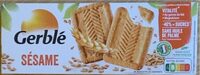 c NOVA 4
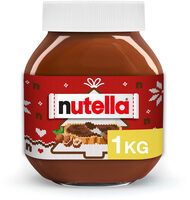 e NOVA 4
 e NOVA 4
 e NOVA 4
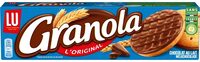 e NOVA 4
 NOVA 4
 NOVA 4
 e NOVA 4
 e NOVA 4
 b NOVA 4
Lecithin-free alternatives
Popular products from the same categories that don't list Lecithin and score Nutri-Score A–C.
 c NOVA 3
 c NOVA 3
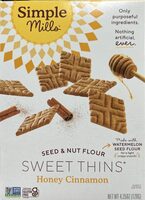 c NOVA 3
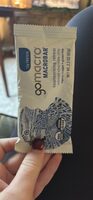 c NOVA 4
 a NOVA 4
How to spot Lecithin on a label
Look for any of these names in the ingredient list:
Related additives
Frequently asked questions
Is soy lecithin bad for you?
Regulators do not treat it as a risk. FDA affirms lecithin as GRAS, EFSA concluded in 2017 that no numerical daily limit is needed, and the WHO/FAO expert committee lists its ADI as "not limited". The practical concern with soy lecithin is allergen labeling, not toxicity.
Is lecithin a soy allergen?
Soy lecithin is derived from soybeans, and US law requires the label to name soy, so people avoiding soy should treat it as a soy ingredient. Sunflower lecithin is not a major allergen under US rules.
What is the difference between soy and sunflower lecithin?
Only the oil they are separated from. Both are phospholipid mixtures used as emulsifiers and both behave much the same in food; sunflower lecithin exists mainly so manufacturers can leave soy off the label.
Is lecithin vegan?
The lecithin FDA defines for US food comes from soy, safflower or corn oil, so it is plant-derived. Where a label says only "lecithin", the source is not stated — contact the manufacturer if it matters to you.
How much lecithin is safe per day?
No regulator has set a number. EFSA concluded that a numerical acceptable daily intake is not needed for E 322, and JECFA lists it as "not limited". In food it is used at a fraction of a percent.
Is lecithin safe in baby formula?
EFSA assessed exactly this in 2020, including choline released from lecithin, and concluded that lecithins in infant formula and in formulas for special medical purposes raise no safety concern up to the maximum permitted level.
What foods contain lecithin?
Most often chocolate and chocolate coatings, baked goods, margarine and spreads, drink and bake mixes, and cooking sprays. See the products and categories above for what is in our database.
Sources & references
- 21 CFR 184.1400 — Lecithin (affirmed GRAS)
- EFSA (2017). Re-evaluation of lecithins (E 322) as a food additive. EFSA Journal 15(4)
- EFSA (2020). Opinion on the re-evaluation of lecithins (E 322) as a food additive in foods for infants below 16 weeks of age and follow-up of its re-evaluation for all population groups. EFSA Journal 18(11):6266
- JECFA — Lecithin (INS 322), evaluation summary (IPCS INCHEM)
- UK Government — Approved additives and E numbers
- U.S. FDA — List of Select Chemicals in the Food Supply Under FDA Review
- U.S. FDA (2025). Guidance for Industry: Questions and Answers Regarding Food Allergen Labeling (Edition 5)
Product data: Open Food Facts (ODbL), updated daily. Additive information is for general education and is not medical advice. Always check the package label. Our methodology.