
Azodicarbonamide (E927a)
Updated October 12, 2026
Azodicarbonamide is a fast-acting flour treatment agent that bleaches flour and strengthens bread dough. It is also authorised as a blowing agent in foamed plastics, which is where the "yoga mat chemical" nickname comes from. It breaks down completely during baking; the open question is its breakdown products, chiefly semicarbazide. FDA considers it safe at permitted levels and says it is not necessary to make bread, the EU does not allow it at all, and FDA reopened a safety review of it in May 2026.
Quick facts
- Also known as
- ADA, E927a
- E-number
- E927a
- Function
- Flour treatment agents
- US status
- Permitted as a food additive up to 45 ppm of the flour (21 CFR 172.806) and as an optional ingredient in the flour and bread standards; under FDA post-market review since August 2025
- EU status
- Not authorised — use as a dough improver is illegal in the EU, and its use as a blowing agent in food-contact plastics was banned from August 2005
- Acceptable daily intake
- Not expressed as an acceptable daily intake. FDA caps use at 45 ppm of the flour (2.05 g per 100 lb of flour)
- Found in
- 729 products (712 sold in the US)
- Foodmetria concern level
- Moderate concern How we rate additives
What is Azodicarbonamide?
Azodicarbonamide — ADA, numbered 927a in the international additive scheme although it holds no EU authorisation — is a synthetic compound used in two unrelated industries. In baking it is a fast-acting oxidising agent: it matures and whitens flour in hours rather than the weeks natural ageing takes, and strengthens dough so it handles better on high-speed equipment. In plastics it is a blowing agent, the thing that turns a liquid polymer into foam.
Both uses are real and both are authorised in the US: 21 CFR 172.806 covers the food use, and 21 CFR 178.3010 covers foamed plastics. That dual authorisation is the entire factual basis of the "yoga mat chemical" headline. It does not mean bread contains yoga mat — the same molecule is simply useful in two very different processes, which is unremarkable in chemistry.
ADA does not survive baking. FDA's own description is that it "completely breaks down to form other chemicals."
Why is Azodicarbonamide used in food?
Fresh-milled flour makes slack, sticky dough. Left alone it improves over several weeks as it oxidises in air. ADA does the same job in a few hours, which lets a mill ship flour the week it is milled and lets a bakery run a consistent recipe regardless of the wheat.
As a dough conditioner it strengthens the gluten network, so loaves rise higher, hold their shape and tolerate mechanical handling. It is used in bread, rolls, buns and pizza dough.
FDA is unusually direct that none of this is essential: ADA "is not necessary to make bread and there are alternative ingredients." Ascorbic acid and enzyme blends do much the same work, which is why most European bread is made without ADA at all.
Is Azodicarbonamide safe? What the research says
What FDA says about ADA itself. FDA's position is that ADA is "a safe food additive when used for the purposes and at the levels specified in the FDA regulations" — up to 45 parts per million of the flour. That assessment rests on a review of safety studies including multi-year feeding studies. FDA also states plainly that it "is not recommending that consumers change their diets because of exposure to ADA/SEM." The page carrying that guidance dates from 2018.
The breakdown products are the real subject. Because ADA decomposes during baking, what ends up in the bread is not ADA but its residues. The one that has drawn attention is semicarbazide (SEM). FDA's summary of the animal data: at high levels SEM increased tumour incidence in female mice, but not in male mice and not in rats of either sex, and the levels used "far exceed estimates of human exposure." Those are animal studies, and the dose gap is the central caveat.
Europe looked at semicarbazide for a different reason — it was turning up in jarred and bottled baby food, from ADA used in the sealing gaskets of the lids rather than from bread. EFSA concluded in July 2005 that at the levels measured in 2003–2004 this "is not of concern for human health," that "the risks – if any – are very small," and that the other, minor sources of semicarbazide were not of concern either. The EU then banned ADA in food-contact plastics from August 2005, which removed that source.
What FDA is doing now. In May 2026 FDA finalised its post-market chemical assessment programme and opened a reassessment of ADA alongside BHT. The request for information asked specifically for "actual or expected residual levels" of ADA's decomposition products, naming semicarbazide and ethyl carbamate — so residues are explicitly what the agency is looking at this time. It also noted that it is not aware of any prior sanction or GRAS conclusion for ADA, meaning the food additive regulation is the whole of its legal basis. Comments closed on July 13, 2026 and no conclusion has been published.
Bottom line: the viral framing is misleading, but the substance is not a non-issue. ADA is gone from the finished loaf; the questions concern residues at levels regulators have so far judged acceptable; the EU manages without it; and FDA has reopened the file. We rate it moderate concern mainly because the assessment is live and the ingredient is, by FDA's own account, not necessary.
Azodicarbonamide regulation: US vs EU
| Region | Status |
|---|---|
| United States | Permitted up to 45 ppm of the flour (2.05 g per 100 lb) as a flour ageing/bleaching agent and bread dough conditioner (21 CFR 172.806); optional ingredient in the bread (136.110), flour (137.105) and whole wheat flour (137.200) standards; also an indirect additive in gaskets, rubber and foamed plastics. On FDA's post-market review list at the Review of Information stage since August 2025; request for information closed July 13, 2026. |
| European Union | Not authorised as a food additive; use as a dough improver is illegal. Use as a blowing agent in food-contact plastics banned from August 2, 2005. |
| United Kingdom | No E 927a entry on the official approved-additives list. |
| US states | No state ban in force. The New York bill that passed both chambers in spring 2026 does not include azodicarbonamide. |
United States — permitted. ADA may be used as an ageing and bleaching agent in cereal flour at up to 2.05 grams per 100 pounds of flour (0.0045%, or 45 ppm), and as a dough conditioner in bread baking up to the same total including whatever came in with the flour (21 CFR 172.806). It is also an optional ingredient in the standards of identity for bread, rolls and buns (136.110), flour (137.105) and whole wheat flour (137.200), and an indirect additive in sealing gaskets for container closures, repeat-use rubber articles and foamed plastics.
It joined FDA's list of chemicals under post-market review in August 2025 at the Review of Information stage. The formal request for information was published May 13, 2026 (docket FDA-2026-N-4126) and comments closed July 13, 2026. FDA did not extend that deadline, having received no requests to.
European Union — not allowed. ADA has no authorisation as a food additive; its use as a dough improver is illegal, and it has had no entry on the UK's approved-additives list either. Its separate use as a blowing agent in food-contact plastics was banned from August 2, 2005, after semicarbazide was found in jarred foods.
US states. No state has banned ADA. It appeared in some earlier draft bills, but the New York Food Safety and Chemical Disclosure Act that passed both chambers in spring 2026 covers only Red 3, potassium bromate and propylparaben.
Check the latest status: FDA's assessment is open.
In context: which additives are really banned in Europe but allowed in the US.
Who should limit or avoid Azodicarbonamide?
- Anyone who prefers to avoid it can: US rules require ADA to be declared, so it appears in the ingredient list of breads and flours that use it. Bread baked without it is the norm rather than a specialty, and European-style bakery products will not contain it.
- Parents buying a lot of commercial bread may reasonably want to wait out FDA's reassessment rather than act on the 2018 guidance alone — though the difference in exposure between one bread and another is small.
- Nobody needs to worry about having eaten it. ADA does not survive baking, and the animal findings that drive the discussion are about doses far above dietary levels.
Foods that commonly contain Azodicarbonamide
Share of published products in each category whose ingredient list includes Azodicarbonamide.
Popular products with Azodicarbonamide
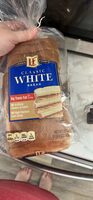 c NOVA 4
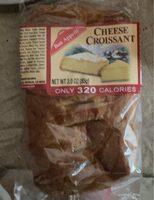 e NOVA 4
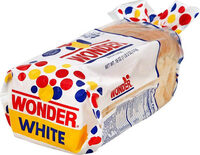 c NOVA 4
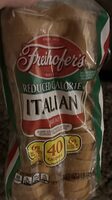 NOVA 4
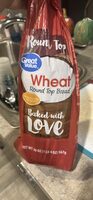 c NOVA 4
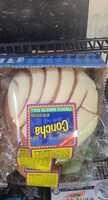 d NOVA 4
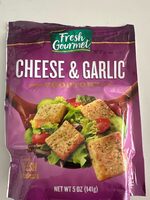 d NOVA 4
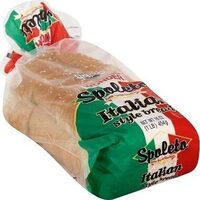 d NOVA 4
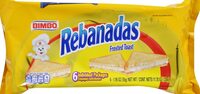 e NOVA 4
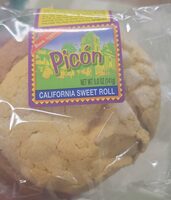 d NOVA 4
Azodicarbonamide-free alternatives
Popular products from the same categories that don't list Azodicarbonamide and score Nutri-Score A–C.
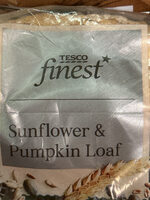 b NOVA 4
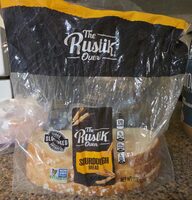 c NOVA 4
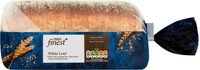 c NOVA 4
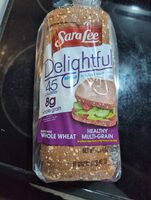 a NOVA 4
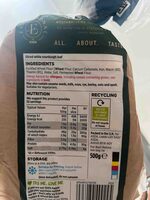 a NOVA 3
How to spot Azodicarbonamide on a label
Look for any of these names in the ingredient list:
Related additives
Frequently asked questions
Is azodicarbonamide really the "yoga mat chemical"?
The nickname is based on a true fact used misleadingly. ADA is authorised both as a flour treatment agent (21 CFR 172.806) and as a blowing agent in foamed plastics (21 CFR 178.3010), so the same compound does appear in both. It does not mean bread contains plastic or foam: ADA breaks down completely during baking, and plenty of chemicals have unrelated industrial and food uses.
Is azodicarbonamide banned in Europe?
Yes. It is not authorised as a food additive in the EU, and its use as a dough improver there is illegal. Its separate use in food-contact plastics was banned from August 2005, after its breakdown product semicarbazide was found in jarred foods.
Does azodicarbonamide cause cancer?
There is no cancer classification for ADA, and it does not survive baking. The discussion concerns semicarbazide, one of its breakdown products: FDA reports that high levels increased tumour incidence in female mice, but not in male mice or in rats of either sex, at doses far above human dietary exposure. Those are animal studies. FDA's 2026 review is asking for fresh data on residue levels.
Is it still legal in the US?
Yes. FDA permits it at up to 45 ppm of the flour and says it is safe at that level. FDA opened a post-market reassessment in August 2025 and its request for information closed in July 2026; no decision has been published.
How can I tell if bread has azodicarbonamide?
Read the ingredient list — US rules require it to be declared, usually as "azodicarbonamide". Breads and flours that have dropped it often say "no azodicarbonamide" on the pack.
Is azodicarbonamide vegan, halal or gluten-free?
ADA is a synthetic compound, not animal-derived, and not made from grain, so it is generally considered vegan, halal-suitable and gluten-free in itself. The bread it is used in contains wheat, so it is not gluten-free.
What is used instead of azodicarbonamide?
Ascorbic acid (vitamin C) and enzyme blends do the same job, and plain time does it for free — flour matures naturally over a few weeks. FDA itself notes that ADA "is not necessary to make bread and there are alternative ingredients."
Sources & references
- 21 CFR 172.806 — Azodicarbonamide
- 21 CFR 136.110 — Bread, rolls and buns (optional ingredients)
- Federal Register (May 13, 2026), 91 FR 27060. Azodicarbonamide (ADA); Request for Information
- U.S. FDA — Azodicarbonamide (ADA) Frequently Asked Questions
- U.S. FDA (May 12, 2026). FDA Finalizes Food Chemical Safety Post-Market Assessment Program, Launches Reassessment of BHT, ADA
- U.S. FDA — List of Select Chemicals in the Food Supply Under FDA Review
- EFSA (July 1, 2005). EFSA publishes further evaluation on semicarbazide in food
- UK Government — Approved additives and E numbers
Product data: Open Food Facts (ODbL), updated daily. Additive information is for general education and is not medical advice. Always check the package label. Our methodology.