
Protein with Whole Grains vs Sesam Volkoren Brood
Overall, Protein with Whole Grains has the better nutritional profile on the measures we compare. It wins on 4 of our comparison points versus 2.
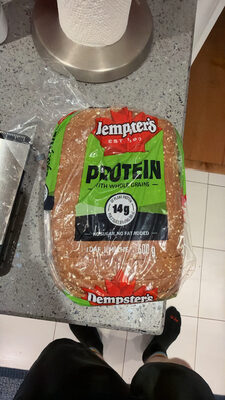
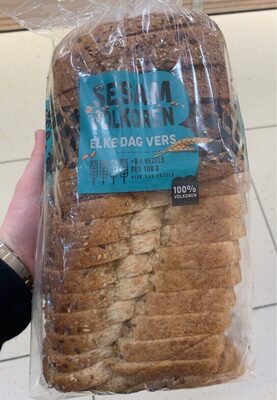
Nutrition per 100 g
| Nutrient | Protein with Whole Grains | Sesam Volkoren Brood |
|---|---|---|
| Nutri-Score | a | a |
| NOVA group | 4 | 4 |
| Calories | 200 kcal | 242 kcal |
| Fat | 3 g | 2.5 g |
| Saturated fat | 0.6 g | 0.6 g |
| Sugars | 1 g | 1.4 g |
| Salt | 0 g | 0.9 g |
| Fiber | 3 g | 8.7 g |
| Protein | 14 g | 12.6 g |
| Additives | 5 | 1 |
| Allergens | Gluten, Sesame seeds, Soybeans | Eggs, Gluten, Milk |
Green = better value for that nutrient (less sugar, fat, salt and calories; more fiber and protein).
Key differences
- Protein with Whole Grains has 17% fewer calories (200 kcal vs 242 kcal).
- Sesam Volkoren Brood has 17% less fat (2.5 g vs 3 g).
- Protein with Whole Grains has 29% less sugar (1 g vs 1.4 g).
- Protein with Whole Grains has no salt, while Sesam Volkoren Brood has 0.9 g.
- Sesam Volkoren Brood has 66% more fiber (8.7 g vs 3 g).
- Protein with Whole Grains has 10% more protein (14 g vs 12.6 g).
- Only Protein with Whole Grains lists: Sesame seeds, Soybeans.
- Only Sesam Volkoren Brood lists: Eggs, Milk.
Ingredients
Protein with Whole Grains
Water, Whole grain whole wheat flour including the germ, Enriched wheat flour, Wheat gluten, Pea protein, Yeast", Sunflower seeds, Cracked wheat, Pumpkin seeds, Vinegar, Salt, Flax seeds, Sesame seeds, Soybean lecithin, Calcium propionate, Sorbic acid, Citric acid, Sunflower lecithin. *Ingredients may vary.
Sesam Volkoren Brood
56% volkoren tarwemeel, water, 3,1% tarwevlokken, bakkersgist, tarwegluten sesamzaad, 1,1% gerstemoutmeel, 0,9% lijnzaad, gejodeerd zout (zout, kaliumjodide). 0,4% tarwezemelen, dextrose, tarwezetmeel, koolzaadolie, 0,1% gefermenteerde tarwebloer meelverbeteraar: ascorbinezuur. Kan sporen van andere glutenbevattende granen, ei, melk, soja en noten bevatten.
FAQ
Which is healthier: Protein with Whole Grains or Sesam Volkoren Brood?
Overall, Protein with Whole Grains has the better nutritional profile on the measures we compare. We compare Nutri-Score, processing level and seven nutrients per 100 g. Your own needs (for example low sugar or high protein) may make a different choice better for you.
Which has fewer calories?
Protein with Whole Grains has fewer calories: 200 kcal versus 242 kcal per 100 g.
Which has less sugar?
Protein with Whole Grains has less sugar: 1 g versus 1.4 g per 100 g.