
Wheat bisk vs Zingy Korean-style grains
Overall, Wheat bisk has the better nutritional profile on the measures we compare. It wins on 5 of our comparison points versus 1.
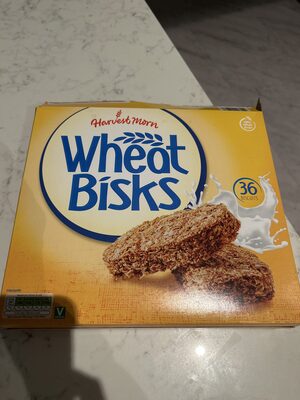
Wheat bisk
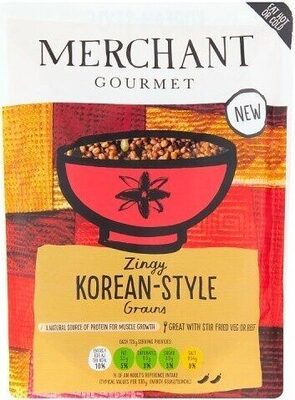
Zingy Korean-style grains
Nutrition per 100 g
| Nutrient | Wheat bisk | Zingy Korean-style grains |
|---|---|---|
| Nutri-Score | b | b |
| NOVA group | 3 | 4 |
| Calories | 134 kcal | 159 kcal |
| Fat | 0.8 g | 2.8 g |
| Saturated fat | 0.2 g | 0.4 g |
| Sugars | 1.7 g | 2.4 g |
| Salt | 0.1 g | 0.4 g |
| Fiber | 3.8 g | 4.2 g |
| Protein | 4.5 g | 6.4 g |
| Additives | 0 | 3 |
| Allergens | Gluten | Gluten, Soybeans |
Green = better value for that nutrient (less sugar, fat, salt and calories; more fiber and protein).
Key differences
- Wheat bisk has 16% fewer calories (134 kcal vs 159 kcal).
- Wheat bisk has 71% less fat (0.8 g vs 2.8 g).
- Wheat bisk has 29% less sugar (1.7 g vs 2.4 g).
- Wheat bisk has 77% less salt (0.1 g vs 0.4 g).
- Zingy Korean-style grains has 30% more protein (6.4 g vs 4.5 g).
- Wheat bisk is less processed (lower NOVA group).
- Only Zingy Korean-style grains lists: Soybeans.
Ingredients
Wheat bisk
WHOLE _WHEAT_ (95%), _Barley_ Malt Extract, Sugar, Salt, Niacin, Iron, Riboflavin, Thiamin, Folic Acid
Zingy Korean-style grains
Cooked Wheatberries (66%) (Water, Wheatberries), Cooked Black Barley (12%) (Water, Black Barley), Edamame Beans (Soya) (8%), Red Pepper (7%), Gochujang Style Paste (5%) (Glucose Syrup, Water, Salted Black Beans (Black Soy Beans, Salt), Fructose, Concentrated Red Pepper Juice, Soy Sauce Powder (Soy Sauce (Soy Beans, Salt, Spirit Vinegar), Maltodextrin, Salt), Sugar, Rapeseed Oil, Onion Powder, Concentrated Onion Juice, Tomato Powder, White Wine Vinegar, Ground Cayenne, Salt, Acidity Regulator: Acetic Acid, Colour: Paprika Extract, Rice Flour), Olive Oil, Soy Sauce (Water, Salt, Colour: Plain Caramel, Sugar, Soy Beans, Wheat).
FAQ
Which is healthier: Wheat bisk or Zingy Korean-style grains?
Overall, Wheat bisk has the better nutritional profile on the measures we compare. We compare Nutri-Score, processing level and seven nutrients per 100 g. Your own needs (for example low sugar or high protein) may make a different choice better for you.
Which has fewer calories?
Wheat bisk has fewer calories: 134 kcal versus 159 kcal per 100 g.
Which has less sugar?
Wheat bisk has less sugar: 1.7 g versus 2.4 g per 100 g.