
Sardines au naturel vs Rollmöpse
Overall, Sardines au naturel has the better nutritional profile on the measures we compare. It wins on 7 of our comparison points versus 2.
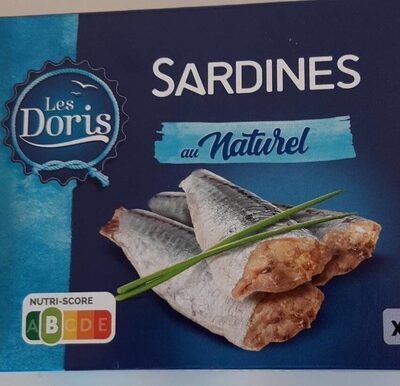
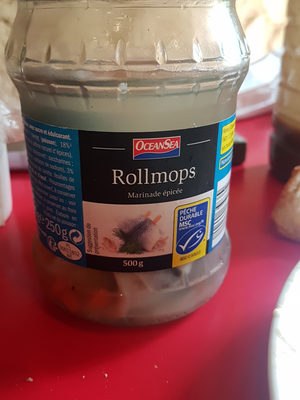
Nutrition per 100 g
| Nutrient | Sardines au naturel | Rollmöpse |
|---|---|---|
| Nutri-Score | a | d |
| NOVA group | 3 | 4 |
| Calories | 149 kcal | 121 kcal |
| Fat | 6.3 g | 7.6 g |
| Saturated fat | 2.2 g | 1.4 g |
| Sugars | 0 g | 0.6 g |
| Salt | 0.7 g | 3.4 g |
| Fiber | 0 g | — |
| Protein | 23 g | 12 g |
| Additives | 0 | 2 |
| Allergens | Fish | Fish |
Green = better value for that nutrient (less sugar, fat, salt and calories; more fiber and protein).
Key differences
- Rollmöpse has 19% fewer calories (121 kcal vs 149 kcal).
- Sardines au naturel has 17% less fat (6.3 g vs 7.6 g).
- Rollmöpse has 36% less saturated fat (1.4 g vs 2.2 g).
- Sardines au naturel has no sugar, while Rollmöpse has 0.6 g.
- Sardines au naturel has 80% less salt (0.7 g vs 3.4 g).
- Sardines au naturel has 48% more protein (23 g vs 12 g).
- Sardines au naturel has the better Nutri-Score.
- Sardines au naturel is less processed (lower NOVA group).
Ingredients
Sardines au naturel
Sardines 70%, eau, sel.
Rollmöpse
50% Rollmops (SOF hareng (poisson), 18%i cornichons, sel, vinaigre d talco.cre, arôme naturel d'épices), 46 % marinade (eau, vinaigre dl eool, édulcorant : saccharines; sel, arôme naturel d'aneth, acÌdF}ant : acétates de sodium), oignons, graines de moutardej Morceaux de carotte, feuilles de laurier. Traces éventuelles de lait et d'oeuf. Pourcentages rapportés aux Rollmops. Non ouvert,
FAQ
Which is healthier: Sardines au naturel or Rollmöpse?
Overall, Sardines au naturel has the better nutritional profile on the measures we compare. We compare Nutri-Score, processing level and seven nutrients per 100 g. Your own needs (for example low sugar or high protein) may make a different choice better for you.
Which has fewer calories?
Rollmöpse has fewer calories: 121 kcal versus 149 kcal per 100 g.
Which has less sugar?
Sardines au naturel has less sugar: 0 g versus 0.6 g per 100 g.