
Onion baji vs Si&No Super Protein
Overall, Si&No Super Protein has the better nutritional profile on the measures we compare. It wins on 8 of our comparison points versus 1.
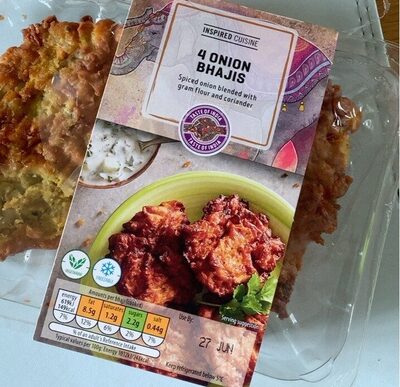
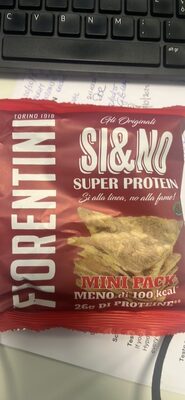
Nutrition per 100 g
| Nutrient | Onion baji | Si&No Super Protein |
|---|---|---|
| Nutri-Score | b | a |
| NOVA group | 4 | 3 |
| Calories | 248 kcal | 395 kcal |
| Fat | 14 g | 10 g |
| Saturated fat | 2.1 g | 1.5 g |
| Sugars | 3.7 g | 1.5 g |
| Salt | 0.7 g | 1 g |
| Fiber | 6.6 g | 9.7 g |
| Protein | 6 g | 26 g |
| Additives | 2 | 0 |
| Allergens | Gluten | None listed |
Green = better value for that nutrient (less sugar, fat, salt and calories; more fiber and protein).
Key differences
- Onion baji has 37% fewer calories (248 kcal vs 395 kcal).
- Si&No Super Protein has 29% less fat (10 g vs 14 g).
- Si&No Super Protein has 29% less saturated fat (1.5 g vs 2.1 g).
- Si&No Super Protein has 59% less sugar (1.5 g vs 3.7 g).
- Si&No Super Protein has 32% more fiber (9.7 g vs 6.6 g).
- Si&No Super Protein has 77% more protein (26 g vs 6 g).
- Si&No Super Protein has the better Nutri-Score.
- Si&No Super Protein is less processed (lower NOVA group).
- Only Onion baji lists: Gluten.
Ingredients
Onion baji
ONION (69%), Rapeseed Oil, Gram Flour (Chickpeas, Yellow Split Peas, Maize Flour), Wheat Flour (Wheat Flour, Calcium Carbonate, Iron, Niacin, Thiamini, Coriander Leaf, Cumin Powder, Lemon Juice from Concentrate, Red Chilli, Salt, Coriander Powder, Turmeric Powder, Raising Agents: Diphosphates, Sodium Carbonates; Chilli Powder
Si&No Super Protein
63% lentils flour, corn, corn oil, 9% chickpeas flour, peas proteins, sea salt, natural olive extract. May contain milk and soy
FAQ
Which is healthier: Onion baji or Si&No Super Protein?
Overall, Si&No Super Protein has the better nutritional profile on the measures we compare. We compare Nutri-Score, processing level and seven nutrients per 100 g. Your own needs (for example low sugar or high protein) may make a different choice better for you.
Which has fewer calories?
Onion baji has fewer calories: 248 kcal versus 395 kcal per 100 g.
Which has less sugar?
Si&No Super Protein has less sugar: 1.5 g versus 3.7 g per 100 g.