
Tomato and chilli cous cous vs Cous cous con verdure e pollo
Neither product is clearly better overall — it depends on what matters most to you.
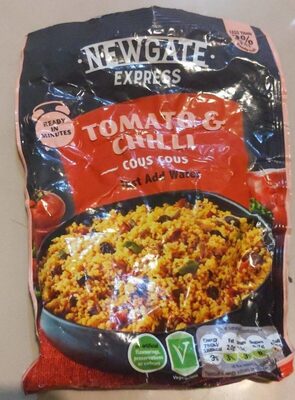
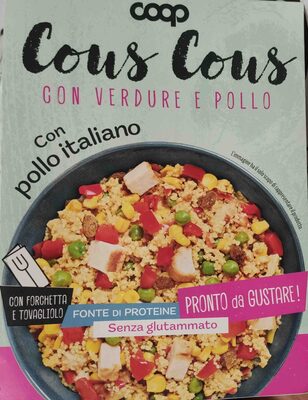
Nutrition per 100 g
| Nutrient | Tomato and chilli cous cous | Cous cous con verdure e poll... |
|---|---|---|
| Nutri-Score | c | c |
| NOVA group | — | — |
| Calories | 141 kcal | 134 kcal |
| Fat | 1.5 g | 4 g |
| Saturated fat | 0.4 g | 0.4 g |
| Sugars | 4.2 g | 2.3 g |
| Salt | 0.5 g | 1 g |
| Fiber | — | 2.2 g |
| Protein | 4.3 g | 6.2 g |
| Additives | 1 | 0 |
| Allergens | Gluten | None listed |
Green = better value for that nutrient (less sugar, fat, salt and calories; more fiber and protein).
Key differences
- Tomato and chilli cous cous has 63% less fat (1.5 g vs 4 g).
- Cous cous con verdure e pollo has 45% less sugar (2.3 g vs 4.2 g).
- Tomato and chilli cous cous has 52% less salt (0.5 g vs 1 g).
- Cous cous con verdure e pollo has 31% more protein (6.2 g vs 4.3 g).
- Only Tomato and chilli cous cous lists: Gluten.
Ingredients
Tomato and chilli cous cous
63 Drie: Caus aus (Durum Wheat Semolicat Maltodextr. 2.5% Raisins, 2.5% Sunflower Cavourings (contain Wheat, Barley, Soya Der Dred Mixed Vegetables (Onion, Green Fecen), Tomato Powder, Onion Powder air Oil, Sa Chill Powder, Acid: Citric Acid; Dried andarame sed Sugar Powder Core Packa acound Black Pepper, Dried Ces, Dried lergy Advice allergens, including Cereals containing Gluten e ingredients in bold oking instructions following are guidelines y Some appliances Fa A
Cous cous con verdure e pollo
Not available.
FAQ
Which is healthier: Tomato and chilli cous cous or Cous cous con verdure e pollo?
Neither product is clearly better overall — it depends on what matters most to you. We compare Nutri-Score, processing level and seven nutrients per 100 g. Your own needs (for example low sugar or high protein) may make a different choice better for you.
Which has fewer calories?
Cous cous con verdure e pollo has fewer calories: 134 kcal versus 141 kcal per 100 g.
Which has less sugar?
Cous cous con verdure e pollo has less sugar: 2.3 g versus 4.2 g per 100 g.