
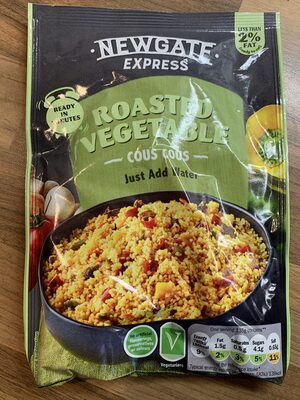
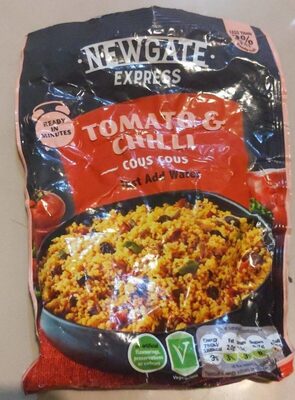
Roasted Vegetable Cous Cous vs Tomato and chilli cous cous
Overall, Roasted Vegetable Cous Cous has the better nutritional profile on the measures we compare. It wins on 4 of our comparison points versus 0.
Nutrition per 100 g
| Nutrient | Roasted Vegetable Cous Cous | Tomato and chilli cous cous |
|---|---|---|
| Nutri-Score | b | c |
| NOVA group | 4 | — |
| Calories | 139 kcal | 141 kcal |
| Fat | 1.2 g | 1.5 g |
| Saturated fat | 0.6 g | 0.4 g |
| Sugars | 3.6 g | 4.2 g |
| Salt | 0.6 g | 0.5 g |
| Fiber | 1.3 g | — |
| Protein | 5 g | 4.3 g |
| Additives | 1 | 1 |
| Allergens | Celery, Gluten, Milk | Gluten |
Green = better value for that nutrient (less sugar, fat, salt and calories; more fiber and protein).
Key differences
- Roasted Vegetable Cous Cous has 14% less sugar (3.6 g vs 4.2 g).
- Roasted Vegetable Cous Cous has 14% more protein (5 g vs 4.3 g).
- Roasted Vegetable Cous Cous has the better Nutri-Score.
- Only Roasted Vegetable Cous Cous lists: Celery, Milk.
Ingredients
Roasted Vegetable Cous Cous
86% Dried Cous cous (Durum Wheat Semolina), Tomato Powder, Flavourings (contain Barley, Celery), Palm Oil, Dried Red Pepper, Sugar, Dried Green Pepper, Maltodextrin, Red Pepper Powder, Salt, 0.6% Grilled Mixed Peppers, 0.5% Dried Mushrooms, Onion Powder, Dried Garlic, Lactose (Milk), Colour: Paprika Extract; Dried Parsley, Dried Oregano, Dried Basil, Milk Protein. Allergy Advice For allergens, including Cereals containing Gluten, see ingredients in bold. LADL Typical values Energy Fat
Tomato and chilli cous cous
63 Drie: Caus aus (Durum Wheat Semolicat Maltodextr. 2.5% Raisins, 2.5% Sunflower Cavourings (contain Wheat, Barley, Soya Der Dred Mixed Vegetables (Onion, Green Fecen), Tomato Powder, Onion Powder air Oil, Sa Chill Powder, Acid: Citric Acid; Dried andarame sed Sugar Powder Core Packa acound Black Pepper, Dried Ces, Dried lergy Advice allergens, including Cereals containing Gluten e ingredients in bold oking instructions following are guidelines y Some appliances Fa A
FAQ
Which is healthier: Roasted Vegetable Cous Cous or Tomato and chilli cous cous?
Overall, Roasted Vegetable Cous Cous has the better nutritional profile on the measures we compare. We compare Nutri-Score, processing level and seven nutrients per 100 g. Your own needs (for example low sugar or high protein) may make a different choice better for you.
Which has fewer calories?
Roasted Vegetable Cous Cous has fewer calories: 139 kcal versus 141 kcal per 100 g.
Which has less sugar?
Roasted Vegetable Cous Cous has less sugar: 3.6 g versus 4.2 g per 100 g.