
Organic Whole Wheat Bread vs Bio-Vollkorn-Spaghetti
Neither product is clearly better overall — it depends on what matters most to you.
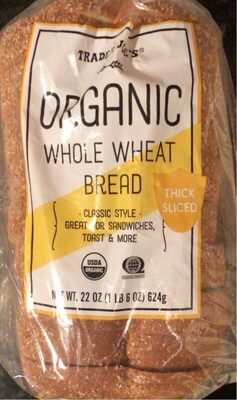
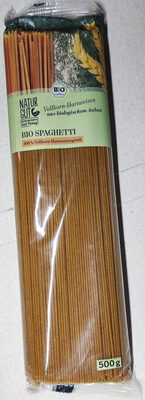
Nutrition per 100 g
| Nutrient | Organic Whole Wheat Bread | Bio-Vollkorn-Spaghetti |
|---|---|---|
| Nutri-Score | b | a |
| NOVA group | 4 | 1 |
| Calories | 214 kcal | 276 kcal |
| Fat | 1.8 g | 2.5 g |
| Saturated fat | 0 g | 0.4 g |
| Sugars | 3.6 g | 3.4 g |
| Salt | 1 g | 0 g |
| Fiber | 7.1 g | 3.4 g |
| Protein | 10.7 g | 11.5 g |
| Additives | 1 | 0 |
| Allergens | Gluten | Gluten |
Green = better value for that nutrient (less sugar, fat, salt and calories; more fiber and protein).
Key differences
- Organic Whole Wheat Bread has 22% fewer calories (214 kcal vs 276 kcal).
- Organic Whole Wheat Bread has 28% less fat (1.8 g vs 2.5 g).
- Organic Whole Wheat Bread has no saturated fat, while Bio-Vollkorn-Spaghetti has 0.4 g.
- Bio-Vollkorn-Spaghetti has 99% less salt (0 g vs 1 g).
- Organic Whole Wheat Bread has 53% more fiber (7.1 g vs 3.4 g).
- Bio-Vollkorn-Spaghetti has the better Nutri-Score.
- Bio-Vollkorn-Spaghetti is less processed (lower NOVA group).
Ingredients
Organic Whole Wheat Bread
organic whole wheat flour, water, organic vital wheat gluten, contains 2% or less of organic sugar, organic wheat bran, yeast, organic honey, organic oat fiber, organic molasses, organic expeller pressed canola oil, sea salt, organic distilled vinegar, microbial enzyme, organic guar gum, ascorbic acid (dough conditioner), contains wheat
Bio-Vollkorn-Spaghetti
Vollkorn _Hartweizengrieß_,
FAQ
Which is healthier: Organic Whole Wheat Bread or Bio-Vollkorn-Spaghetti?
Neither product is clearly better overall — it depends on what matters most to you. We compare Nutri-Score, processing level and seven nutrients per 100 g. Your own needs (for example low sugar or high protein) may make a different choice better for you.
Which has fewer calories?
Organic Whole Wheat Bread has fewer calories: 214 kcal versus 276 kcal per 100 g.
Which has less sugar?
Bio-Vollkorn-Spaghetti has less sugar: 3.4 g versus 3.6 g per 100 g.