
Mixed fruits vs Prugne
Overall, Prugne has the better nutritional profile on the measures we compare. It wins on 7 of our comparison points versus 1.
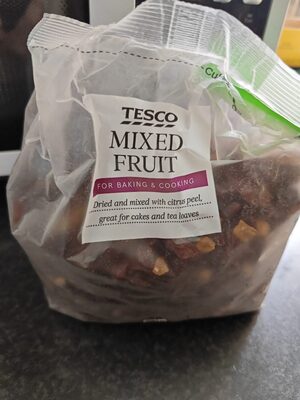
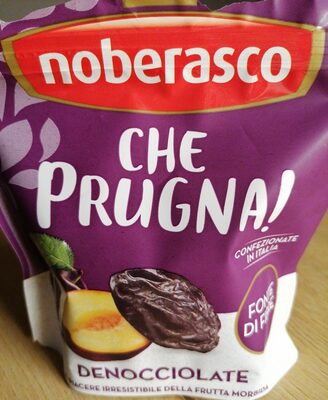
Nutrition per 100 g
| Nutrient | Mixed fruits | Prugne |
|---|---|---|
| Nutri-Score | d | c |
| NOVA group | 4 | 3 |
| Calories | 333 kcal | 250 kcal |
| Fat | 1.7 g | 0.3 g |
| Saturated fat | 0.3 g | 0.1 g |
| Sugars | 65.3 g | 39 g |
| Salt | 0 g | 0 g |
| Fiber | 4.7 g | 6.5 g |
| Protein | 2.3 g | 1.6 g |
| Additives | 2 | 1 |
| Allergens | Sulphur dioxide and sulphites | None listed |
Green = better value for that nutrient (less sugar, fat, salt and calories; more fiber and protein).
Key differences
- Prugne has 25% fewer calories (250 kcal vs 333 kcal).
- Prugne has 82% less fat (0.3 g vs 1.7 g).
- Prugne has 40% less sugar (39 g vs 65.3 g).
- Prugne has 28% more fiber (6.5 g vs 4.7 g).
- Mixed fruits has 31% more protein (2.3 g vs 1.6 g).
- Prugne has the better Nutri-Score.
- Prugne is less processed (lower NOVA group).
- Only Mixed fruits lists: Sulphur dioxide and sulphites.
Ingredients
Mixed fruits
sultanas (50%), raisins, candied citrus peel (14%) (glucose syrup, orange peel, lemon peel, sugar, acidity regulator (citric acid), preservative (sulphur dioxide)), currants, sunflower oil. allergy advice for allergens, see ingredients in bold. suitable for vegans caution this produce e may contain pips. storage more in a seal bas cool dry place using the tape nutrition sold ical value once opene provided. per 100g 1410 per 308 1264
Prugne
prunes, water, preservatives: E202
FAQ
Which is healthier: Mixed fruits or Prugne?
Overall, Prugne has the better nutritional profile on the measures we compare. We compare Nutri-Score, processing level and seven nutrients per 100 g. Your own needs (for example low sugar or high protein) may make a different choice better for you.
Which has fewer calories?
Prugne has fewer calories: 250 kcal versus 333 kcal per 100 g.
Which has less sugar?
Prugne has less sugar: 39 g versus 65.3 g per 100 g.