
Sodium nitrite (E250)
Updated September 21, 2026
Sodium nitrite is the curing agent that gives bacon, ham and hot dogs their pink color and cured flavor — and, more importantly, prevents botulism in those products. The health question is not the nitrite itself but the nitrosamines that can form from it, mainly when cured meat is cooked at high heat. IARC classifies processed meat as carcinogenic to humans, and regulators have been lowering permitted nitrite levels rather than banning it, because the botulism protection is real.
Quick facts
- Also known as
- E250, Cultured celery powder (natural source of nitrite)
- E-number
- E250
- Function
- Preservatives
- US status
- Permitted curing agent; FDA limits for smoked fish (21 CFR 172.175) and USDA limits for meat (9 CFR 424.21), typically 120–200 ppm ingoing
- EU status
- Permitted as E 250, with maximum levels lowered from October 9, 2025
- Acceptable daily intake
- 0.07 mg per kg of body weight per day, as nitrite ion (EFSA, JECFA)
- Found in
- 41,087 products (10,143 sold in the US)
- Foodmetria concern level
- Moderate concern How we rate additives
What is Sodium nitrite?
Sodium nitrite is a salt that has been used to cure meat, in one form or another, for thousands of years — historically as saltpeter (nitrate), which bacteria convert to nitrite. Today the nitrite is added directly and precisely.
In commercial curing it is almost always supplied as "pink curing salt" — nitrite diluted to about 6% in ordinary salt and dyed pink so it cannot be mistaken for table salt. That dilution exists for a reason: concentrated sodium nitrite is toxic, which is why FDA requires home curing preparations to carry a "keep out of the reach of children" warning.
On labels it appears as sodium nitrite or E 250. It also appears indirectly: products labeled "uncured" and "no nitrate or nitrite added" are typically cured with celery powder or celery juice, which is naturally high in nitrate that starter cultures convert to nitrite. Chemically, the end result is the same compound.
Why is Sodium nitrite used in food?
Three jobs, in order of importance:
- Safety. Nitrite inhibits Clostridium botulinum, the bacterium that produces botulinum toxin. This matters most in vacuum-packed, shelf-stable, low-oxygen products — exactly the conditions cured meats are stored in. This is the reason regulators have tightened limits rather than removed nitrite: no equally reliable substitute exists.
- Color. Nitrite reacts with myoglobin to form the stable pink of ham, bacon, hot dogs and salami. Without it, cured meat turns grey-brown.
- Flavor and shelf life. It produces the characteristic "cured" taste and slows the fat rancidity that otherwise limits how long these products keep.
Vitamin C or its relative erythorbate is almost always added alongside nitrite — partly to speed curing, and partly because it suppresses nitrosamine formation.
Is Sodium nitrite safe? What the research says
The distinction that matters. Nitrite itself is not the carcinogen. Under acidic conditions — in the stomach, or during high-heat cooking — nitrite can react with amines from protein to form N-nitroso compounds (nitrosamines), some of which are carcinogenic. Everything below follows from that.
What IARC classified. Two separate evaluations get mixed up in headlines:
- In 2010, IARC concluded that ingested nitrate or nitrite under conditions that result in endogenous nitrosation is probably carcinogenic to humans (Group 2A). The qualifying phrase is part of the classification, not a footnote to it.
- In 2015, IARC classified processed meat as carcinogenic to humans (Group 1) and red meat as probably carcinogenic (Group 2A), estimating that each 50 g of processed meat eaten daily raises colorectal cancer risk by about 18%. That is a relative increase on a baseline risk of a few percent, and Group 1 describes how certain the evidence is, not how large the risk is — which is why processed meat sharing a category with tobacco says nothing about them being equally dangerous.
What regulators concluded. EFSA re-evaluated nitrites in 2017 and set an acceptable daily intake of 0.07 mg per kg of body weight per day, expressed as nitrite ion, matching the JECFA figure. Its assessment of nitrite added as an additive found exposure within safe levels for all groups except a slight exceedance in children who eat a lot of these products. Counting all dietary sources together — additives, natural nitrate in vegetables, and environmental contamination — exposure may exceed the ADI for infants, toddlers and children at average intakes, and for high consumers in all age groups. EFSA also concluded that nitrosamine formation in the body from nitrite added at approved levels was of low concern, while flagging nitrite from other sources as needing further work.
What changed in the EU. Rather than banning nitrite, the EU lowered how much may be used. Regulation (EU) 2023/2108, which applied from October 9, 2025, cut the maximum for most meat products from 150 to 80 mg/kg, for traditionally cured bacon from 175 to 105 mg/kg and for ham from 100 to 65 mg/kg, and introduced maximum residual levels in the finished product. The stated aim was to minimize nitrosamine formation while keeping enough nitrite to control C. botulinum.
"Uncured" and celery powder. Products cured with celery powder contain nitrite that is chemically identical to added sodium nitrite and leave comparable residual levels — the USDA fact sheets are explicit that these products have cured-meat characteristics and residual nitrite indistinguishable from conventionally cured ones. US labeling rules nonetheless require them to say "uncured" and "no nitrate or nitrite added except those naturally found in [ingredient]". Read that phrasing as a legal formula, not a nutritional difference.
Nitrate from vegetables is different. Most dietary nitrate comes from vegetables — beets, spinach, lettuce, celery — and that intake is not associated with the cancer risk seen for processed meat. The plausible explanations are that vegetables come with vitamin C and polyphenols that inhibit nitrosation, and that they are not cooked at bacon temperatures with abundant protein.
Bottom line: the evidence points at processed meat as a food category rather than at nitrite as an isolated ingredient. Cooking bacon gently rather than to a char, and treating processed meat as an occasional food rather than a daily one, addresses the actual finding better than switching to "uncured" versions does.
Sodium nitrite regulation: US vs EU
| Region | Status |
|---|---|
| United States (FDA) | Permitted in smoked cured fish under 21 CFR 172.175 — up to 10 ppm for tuna, up to 200 ppm for sablefish, salmon and shad; home curing preparations limited to 200 ppm in the finished product and required to carry a child-safety warning. |
| United States (USDA FSIS) | Maximum ingoing levels under 9 CFR 424.21: about 156 ppm for comminuted products, 200 ppm for immersion or pumped curing, 625 ppm for dry curing, and 120 ppm for bacon, which must also contain ascorbate or erythorbate. |
| European Union | Permitted as E 250 with maximum levels lowered by Regulation (EU) 2023/2108 from October 9, 2025 — 80 mg/kg for most meat products, 105 mg/kg for traditionally cured bacon, 65 mg/kg for ham, plus new residual limits. |
| United Kingdom | Permitted as E 250 under assimilated EU additive rules. |
| WHO / FAO (JECFA) and EFSA | ADI 0.07 mg/kg body weight per day, expressed as nitrite ion. |
| IARC | Ingested nitrate or nitrite under conditions that result in endogenous nitrosation: Group 2A (2010). Processed meat: Group 1 (2015). |
Sodium nitrite is permitted everywhere cured meat is made, under tight quantitative limits rather than bans. In the US, FDA sets limits for smoked cured fish (21 CFR 172.175) and USDA's FSIS sets the limits for meat and poultry (9 CFR 424.21): roughly 156 ppm ingoing for comminuted products such as hot dogs and sausage, 200 ppm for immersion or pumped curing, 625 ppm for dry curing, and 120 ppm for bacon, where nitrite must be accompanied by ascorbate or erythorbate specifically to suppress nitrosamine formation.
The EU tightened its limits effective October 9, 2025. No US federal or state ban is in force or proposed, and sodium nitrite does not appear on FDA's list of chemicals under post-market review. Check the latest status: rules can change.
Who should limit or avoid Sodium nitrite?
- Anyone eating processed meat daily. This is the group the IARC finding actually speaks to. Cancer-prevention guidance generally advises limiting processed meat rather than eliminating it.
- Children. EFSA found that nitrite intake from all dietary sources can exceed the ADI for infants, toddlers and children at average consumption. Hot dogs and deli meat as an occasional item rather than a staple is the practical response.
- People who cook bacon very hot. Nitrosamine formation rises sharply with high-temperature frying. Cooking more gently and not eating the burnt parts meaningfully reduces exposure.
- People buying "uncured" products to avoid nitrite. Celery-powder curing delivers the same compound. If the goal is less nitrite, this switch does not achieve it.
- Anyone home-curing meat. Use pink curing salt as directed and never substitute or eyeball it — concentrated nitrite is genuinely toxic, which is why FDA requires the warning on retail curing preparations.
Foods that commonly contain Sodium nitrite
Share of published products in each category whose ingredient list includes Sodium nitrite.
Popular products with Sodium nitrite
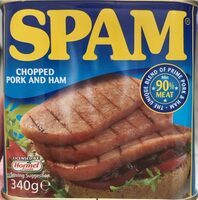 e NOVA 4
 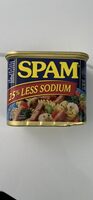 e NOVA 4
 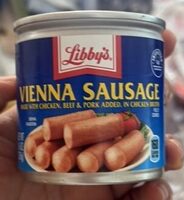 b NOVA 4
 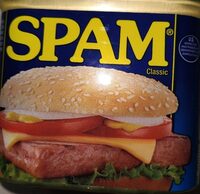 d NOVA 4
 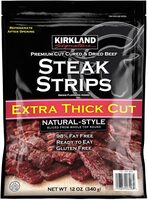 e NOVA 3
  c NOVA 4
  e NOVA 4
 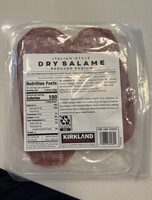 e NOVA 4
 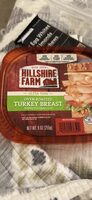 d NOVA 4
  e NOVA 4
 Sodium nitrite-free alternatives
Popular products from the same categories that don't list Sodium nitrite and score Nutri-Score A–C.
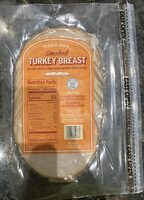 c NOVA 4
 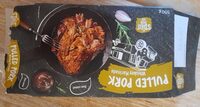 a
a  a NOVA 3
  b NOVA 4
  b NOVA 3
 How to spot Sodium nitrite on a label
Look for any of these names in the ingredient list:
Related additives
Frequently asked questions
Is sodium nitrite banned anywhere?
No. It is permitted in the US, the EU, the UK and Canada, because it is the main defense against botulism in cured meat. The EU lowered its permitted levels in October 2025 rather than banning it.
Does sodium nitrite cause cancer?
Nitrite itself is not classified as a carcinogen. IARC classified ingested nitrite as probably carcinogenic (Group 2A) specifically under conditions that lead to nitrosation in the body, and separately classified processed meat as a Group 1 carcinogen. EFSA concluded that nitrosamine formation from nitrite added at approved levels is of low concern.
Is "uncured" bacon with celery powder better?
Not in terms of nitrite. Celery powder is naturally high in nitrate, which starter cultures convert to nitrite, and USDA notes these products carry residual nitrite indistinguishable from conventionally cured meat. The "uncured" wording is a labeling rule, not a nutritional distinction.
How much processed meat is too much?
IARC estimated that each 50 g of processed meat per day — roughly two slices of bacon or one hot dog — is associated with about an 18% higher relative risk of colorectal cancer. Cancer-prevention guidance generally advises limiting processed meat rather than eating it daily.
Is the nitrate in vegetables the same problem?
Most dietary nitrate comes from vegetables, and that intake is not linked to the cancer risk seen with processed meat. Vegetables supply vitamin C and polyphenols that inhibit nitrosation, and they are not cooked at high heat alongside large amounts of protein.
How much nitrite is safe per day?
The ADI is 0.07 mg per kg of body weight as nitrite ion: about 2.1 mg for a 30 kg (66 lb) child and 4.9 mg for a 70 kg (154 lb) adult. EFSA found that counting all dietary sources, children can exceed this at average intakes.
Is sodium nitrite vegan and halal?
Sodium nitrite is a mineral salt with no animal origin, so the ingredient itself is vegan and halal. In practice it appears almost exclusively in meat products, so the question rarely arises outside of some cheeses and smoked fish.
Sources & references
- 21 CFR 172.175 — Sodium nitrite (eCFR)
- 9 CFR 424.21 — Use of food ingredients and sources of radiation (eCFR)
- EFSA (2017). Nitrites and nitrates added to food: EFSA explains the risk assessment
- EFSA (2017). Re-evaluation of potassium nitrite (E 249) and sodium nitrite (E 250) as food additives. EFSA Journal 15(6):4786
- Commission Regulation (EU) 2023/2108 amending maximum levels for nitrites and nitrates
- IARC Monographs Volume 94 (2010). Ingested Nitrate and Nitrite — Evaluation and Rationale
- WHO — Cancer: Carcinogenicity of the consumption of red meat and processed meat (Q&A on IARC Volume 114)
- American Meat Science Association — A Comparison of Traditional and Alternative Meat Curing (nitrite limits and "uncured" labeling)
Product data: Open Food Facts (ODbL), updated daily. Additive information is for general education and is not medical advice. Always check the package label. Our methodology.