
Potassium sorbate (E202)
Updated September 28, 2026
Potassium sorbate (E202) is one of the most common mold and yeast inhibitors in food — the reason cheese, wine, dried fruit and baked goods keep without refrigeration. FDA treats it as generally recognized as safe, and after two reviews EFSA settled on a daily limit of 11 mg per kg of body weight. Reactions are rare and usually mild skin irritation.
Quick facts
- Also known as
- E202
- E-number
- E202
- Function
- Preservatives
- US status
- Generally recognized as safe (GRAS) as a chemical preservative, 21 CFR 182.3640
- EU status
- Permitted as E202
- Acceptable daily intake
- 11 mg per kg of body weight per day as sorbic acid (EFSA, 2019); JECFA: 0–25 mg/kg
- Found in
- 54,655 products (23,083 sold in the US)
- Foodmetria concern level
- Low concern How we rate additives
What is Potassium sorbate?
Potassium sorbate is the potassium salt of sorbic acid, a short-chain fatty acid first isolated from the berries of the rowan tree. The version used in food is made synthetically, and it is chosen over sorbic acid itself because it dissolves easily in water.
It is a white, odorless powder with no taste at the amounts used. On US labels it appears as potassium sorbate, often followed by "(to preserve freshness)" or "(to inhibit mold)". Outside the US it is E202.
Chemically it is closely related to two additives that often appear alongside it: sorbic acid (E200) and, historically, calcium sorbate (E203).
Why is Potassium sorbate used in food?
Potassium sorbate stops molds and yeasts from growing. That makes it different from most preservatives, which target bacteria — and it explains where you find it:
- Cheese, especially shredded and sliced, where surface mold is the failure mode
- Wine and cider, to stop residual yeast restarting fermentation in the bottle
- Baked goods, tortillas and flatbreads
- Dried fruit, jams, syrups and fruit fillings
- Dressings, dips, condiments and many refrigerated ready-made foods
It works only in acidic foods, which is why it is usually paired with an acidity regulator. Manufacturers like it because it is effective at low levels, has no flavor of its own and does not need heat, so it can protect foods that would be ruined by pasteurization.
Is Potassium sorbate safe? What the research says
What happens in the body. Sorbic acid is handled like an ordinary short-chain fatty acid: it is absorbed, metabolized and broken down to carbon dioxide and water. It does not accumulate.
What regulators say. FDA lists potassium sorbate as generally recognized as safe when used according to good manufacturing practice — a status it has held since 1977. The WHO/FAO expert committee (JECFA) set an acceptable daily intake of 0–25 mg per kg of body weight back in 1973, covering sorbic acid and its calcium, potassium and sodium salts together.
Why the European limit moved twice. EFSA re-evaluated the sorbates in 2015 and cut the group ADI from 25 to a temporary 3 mg/kg of body weight, not because new harm had been found but because the reproductive and developmental toxicity data available at the time were thin. Industry then funded an extended reproductive toxicity study, and in 2019 EFSA used it to set a full ADI of 11 mg per kg of body weight per day, replacing the temporary figure. For a 70 kg adult that is about 770 mg of sorbic acid a day. This is a good illustration of a limit tightening because of missing data and then settling once the data arrived — not of an ingredient becoming more dangerous.
Genotoxicity. Some laboratory (in vitro) studies had reported DNA damage in cell cultures. EFSA reviewed them and concluded there is no evidence of genotoxic activity for sorbic acid or potassium sorbate. Calcium sorbate (E203) was left out of the group ADI because its own data were incomplete and there were positive findings for sodium sorbate.
Allergy and irritation. Genuine allergy is rare. Potassium sorbate is a recognized but uncommon cause of contact irritation and, more rarely, contact allergy — reported mainly from cosmetics and creams rather than from food. Some people report mild skin or lip irritation.
Bottom line: potassium sorbate is one of the better-studied preservatives, with a long regulatory track record and no established health concern at food levels. It is not on FDA's list of chemicals under post-market review.
Potassium sorbate regulation: US vs EU
| Region | Status |
|---|---|
| United States | Generally recognized as safe (GRAS) as a chemical preservative under 21 CFR 182.3640, used in accordance with good manufacturing practice. Not on FDA's post-market review list. |
| European Union | Permitted as E202. Group ADI of 11 mg/kg of body weight per day as sorbic acid, set by EFSA in 2019, replacing a temporary 3 mg/kg set in 2015. |
| International (JECFA) | ADI 0–25 mg/kg of body weight for the sum of sorbic acid and its calcium, potassium and sodium salts, expressed as sorbic acid (1973). |
| Canada | Permitted as a class of preservatives in specified foods. |
Potassium sorbate is permitted in the US, the EU and internationally, and no regulator has proposed restricting it.
In the US it is GRAS as a chemical preservative under 21 CFR 182.3640, with no numerical cap beyond good manufacturing practice, though individual standards of identity limit it in specific foods such as cheese and wine. In the EU it is authorized as E202, with maximum permitted levels set food by food.
The one number that has moved is the European acceptable daily intake: 25 mg/kg (1996) → a temporary 3 mg/kg (EFSA, 2015) → 11 mg/kg (EFSA, 2019). The current figure is a full, not temporary, limit.
Who should limit or avoid Potassium sorbate?
- People with contact allergies or eczema. Potassium sorbate is an occasional cause of contact irritation, mostly from cosmetics. If you have reacted to it on the skin, you may want to watch for it in food too.
- People avoiding sulfites in wine. Potassium sorbate is often used with sulfites, not instead of them — check the label rather than assuming.
- Anyone watching ultra-processed intake. The preservative itself is not the issue; it is a marker of a category. Foods that need it tend to be shelf-stable processed products.
- No special caution applies to children or pregnancy. The 2019 EFSA limit already includes a 100-fold safety margin over the level that caused no effect in animal studies.
Foods that commonly contain Potassium sorbate
Share of published products in each category whose ingredient list includes Potassium sorbate.
Popular products with Potassium sorbate
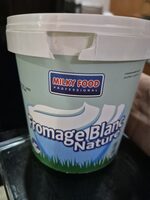 c NOVA 4
 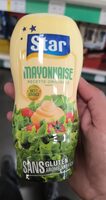 d NOVA 4
  NOVA 4
  b NOVA 4
 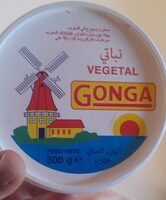 c
c  c NOVA 4
  c NOVA 4
  a NOVA 4
  NOVA 4
  c NOVA 3
 Potassium sorbate-free alternatives
Popular products from the same categories that don't list Potassium sorbate and score Nutri-Score A–C.
 c NOVA 3
  b NOVA 3
  c NOVA 4
  a NOVA 3
  c NOVA 4
 How to spot Potassium sorbate on a label
Look for any of these names in the ingredient list:
Related additives
Frequently asked questions
Is potassium sorbate safe?
Regulators say yes at the levels used in food. FDA treats it as generally recognized as safe, and EFSA set a daily limit of 11 mg per kg of body weight in 2019 — about 770 mg of sorbic acid a day for a 70 kg adult, far above typical intake.
Is potassium sorbate banned anywhere?
No. It is permitted in the US, the EU, Canada and internationally, and no regulator has proposed removing it.
Does potassium sorbate cause cancer?
No regulatory body classifies it as a carcinogen. Some cell-culture studies reported DNA damage; EFSA reviewed them and concluded there is no evidence of genotoxic activity for sorbic acid or potassium sorbate.
Why did the European daily limit change?
In 2015 EFSA cut the limit from 25 to a temporary 3 mg/kg because the reproductive toxicity data were incomplete — a precaution about missing information, not a new finding of harm. Once a new study was available, EFSA set a full limit of 11 mg/kg in 2019.
Can potassium sorbate cause allergic reactions?
True allergy is rare. It is an occasional cause of contact irritation and, less often, contact allergy, reported mainly from creams and cosmetics. Some people report mild lip or skin irritation from food.
Is potassium sorbate vegan and gluten-free?
Yes. It is produced synthetically, contains no animal-derived material and no gluten.
What foods contain potassium sorbate?
Most often cheese, wine and cider, baked goods and tortillas, dried fruit, jams and syrups, dressings and dips. See the products and categories above for what is in our database.
Sources & references
- 21 CFR 182.3640 — Potassium sorbate
- EFSA (2015). Scientific Opinion on the re-evaluation of sorbic acid (E 200), potassium sorbate (E 202) and calcium sorbate (E 203) as food additives. EFSA Journal 13(6):4144
- EFSA (2019). Opinion on the follow-up of the re-evaluation of sorbic acid (E 200) and potassium sorbate (E 202) as food additives. EFSA Journal 17(3):5625
- JECFA — Sorbic acid: evaluations and ADI
- U.S. FDA — List of Select Chemicals in the Food Supply Under FDA Review
Product data: Open Food Facts (ODbL), updated daily. Additive information is for general education and is not medical advice. Always check the package label. Our methodology.