
Sodium benzoate (E211)
Updated September 21, 2026
Sodium benzoate is a preservative that stops mold, yeast and some bacteria from growing in acidic foods — sodas, dressings, pickles and sauces. Regulators consider it safe at permitted levels, but two things are worth knowing: combined with vitamin C it can form traces of benzene in drinks, and EFSA has estimated that some toddlers and children who drink a lot of flavored beverages can exceed the acceptable daily intake.
Quick facts
- Also known as
- Benzoate of soda, E211
- E-number
- E211
- Function
- Preservatives
- US status
- GRAS preservative (21 CFR 184.1733), typically up to 0.1% of the food
- EU status
- Permitted as E 211 in specified foods with maximum levels
- Acceptable daily intake
- 5 mg per kg of body weight per day as benzoic acid (EFSA, 2016); JECFA raised its group ADI to 20 mg/kg in 2021
- Found in
- 22,786 products (15,586 sold in the US)
- Foodmetria concern level
- Moderate concern How we rate additives
What is Sodium benzoate?
Sodium benzoate is the sodium salt of benzoic acid, a compound that occurs naturally in cranberries, prunes, plums, cinnamon and cloves. The commercial version is manufactured, and it is used because it dissolves easily in water while benzoic acid itself does not.
On labels it appears as sodium benzoate, sometimes benzoate of soda, and in Europe as E 211. You will often see it alongside potassium sorbate (E 202), which covers a slightly different range of microbes.
Why is Sodium benzoate used in food?
Sodium benzoate only works in acidic conditions — below roughly pH 4.5 — because that is where it converts back into benzoic acid, the form that actually penetrates microbial cells. That is why you find it almost exclusively in sour products: carbonated soft drinks, fruit juices and juice drinks, salad dressings, pickles, condiments, jams and some sauces.
It is cheap, tasteless at use levels and effective against molds and yeasts, which are the main spoilage risk in acidic foods. Without a preservative of this kind, most shelf-stable dressings and drinks would need refrigeration, pasteurization, or a much shorter shelf life.
Is Sodium benzoate safe? What the research says
What regulators say. In the US, sodium benzoate is affirmed as Generally Recognized as Safe (GRAS) under 21 CFR 184.1733, with FDA noting that current usage results in a maximum of 0.1% of the food. EFSA re-evaluated benzoic acid and the benzoates in 2016 and set an acceptable daily intake (ADI) of 5 mg per kg of body weight per day, expressed as benzoic acid. The WHO/FAO expert committee (JECFA) revisited the same data in 2021 and raised its group ADI to 0–20 mg/kg, after concluding that the previous adjustment for differences between people was more conservative than the evidence required. The two bodies disagreeing by a factor of four is a good reminder that an ADI is a safety margin, not a threshold of harm.
Intake in children. EFSA's 2016 exposure assessment is the reason this additive gets a moderate rating here rather than a low one. Under a "brand-loyal" scenario — a toddler or child who drinks the same flavored beverage regularly — estimated intake exceeded the ADI. Once benzoates carried over from other ingredients were counted, intake could rise two- to threefold for high-level consumers, pushing some children over the ADI even without brand loyalty. The main contributors were flavored drinks and, perhaps surprisingly, unprocessed fruits and vegetables, where benzoic acid occurs naturally.
Benzene in drinks. This is the concern people usually mean when they ask about sodium benzoate. In beverages that contain both a benzoate and ascorbic acid (vitamin C), benzene — a known human carcinogen — can form at parts-per-billion levels, and heat and light speed it up. FDA tested roughly 200 beverages between 2005 and 2007: most had no detectable benzene or levels well below the benchmark, ten exceeded it, and after manufacturers reformulated, retested products came in below 1.5 ppb. FDA's conclusion was that the levels found do not pose a safety concern; for comparison, the EPA limit for benzene in drinking water is 5 ppb. The practical fix — which industry adopted — is to avoid combining benzoate with added vitamin C, or to add a chelating agent.
Hyperactivity in children. Sodium benzoate was one of the seven additives in the 2007 Southampton study (McCann et al., The Lancet), which found that mixtures of synthetic colors plus sodium benzoate increased hyperactive behavior in some 3- and 8–9-year-old children. Because only mixtures were tested, the study cannot say whether sodium benzoate contributed at all, and EFSA concluded the findings were not a basis for changing its ADI. The EU warning label that came out of that study applies to six colors — not to sodium benzoate.
Allergic-type reactions. A small number of people, more often those with chronic hives (urticaria) or asthma, report reactions to benzoates. This is uncommon, and it is an intolerance rather than a true allergy.
Bottom line: at the levels used in food this is a well-characterized preservative, and the benzene issue has been managed by reformulation. The one practical takeaway is for households where a young child drinks a lot of the same flavored beverage every day.
Sodium benzoate regulation: US vs EU
| Region | Status |
|---|---|
| United States | GRAS as an antimicrobial and flavoring agent (21 CFR 184.1733); current usage results in a maximum of 0.1% in food. No restriction or phase-out. |
| European Union | Permitted as E 211 in specified food categories with maximum levels. EFSA ADI (2016): 5 mg/kg body weight per day as benzoic acid. |
| United Kingdom | Permitted as E 211 under assimilated EU additive rules. |
| Canada | Permitted as a Class II preservative under the Food and Drug Regulations. |
| WHO / FAO (JECFA) | Group ADI raised to 0–20 mg/kg body weight (as benzoic acid equivalents) in 2021, up from 0–5 mg/kg set in 1996. |
Sodium benzoate is permitted in the US, the EU, the UK and Canada and is not the subject of any current ban, phase-out or state restriction. It does not appear on FDA's list of chemicals under post-market review. EFSA's 2016 opinion recommended that the European Commission consider the exposure findings for children; JECFA's 2021 revision of the group ADI means the two main authorities now use different figures. Check the latest status: rules can change.
Who should limit or avoid Sodium benzoate?
- Young children who drink a lot of one flavored beverage. This is the group EFSA singled out. Varying drinks, or diluting them, addresses it without needing to avoid the additive entirely.
- People with chronic hives or aspirin-sensitive asthma. Benzoate intolerance is uncommon but is reported more often in these groups. Worth discussing with a doctor rather than self-diagnosing.
- Anyone drinking a lot of soda with added vitamin C. The benzene risk is small and largely resolved, but storing such drinks cool and out of sunlight is sensible anyway.
- Anyone reducing ultra-processed foods. Sodium benzoate is a marker of shelf-stable processed drinks and condiments; cutting those usually improves the diet more than avoiding this one ingredient does.
Foods that commonly contain Sodium benzoate
Share of published products in each category whose ingredient list includes Sodium benzoate.
Popular products with Sodium benzoate
 d NOVA 4
  c NOVA 4
  NOVA 3
  c NOVA 4
  e NOVA 4
 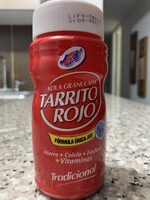 NOVA 4
  c NOVA 4
 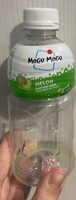 e NOVA 4
  e NOVA 4
  d NOVA 4
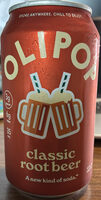
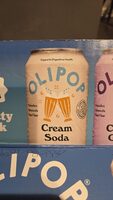
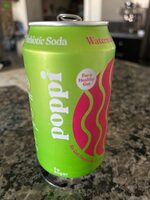
 Sodium benzoate-free alternatives
Popular products from the same categories that don't list Sodium benzoate and score Nutri-Score A–C.
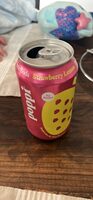 c NOVA 4
 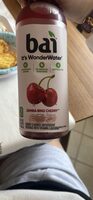 c NOVA 4
  b NOVA 4
  b NOVA 4
  b NOVA 4
 How to spot Sodium benzoate on a label
Look for any of these names in the ingredient list:
Related additives
Frequently asked questions
Is sodium benzoate banned in Europe?
No. It is permitted throughout the EU as E 211, with maximum levels set per food category. No warning label is required — the EU warning about children's activity and attention applies to six synthetic colors, not to sodium benzoate.
Does sodium benzoate turn into benzene?
It can, at parts-per-billion levels, in drinks that also contain ascorbic acid (vitamin C), especially with heat and light. FDA tested about 200 beverages and found the levels do not pose a safety concern; the ten products that exceeded the benchmark were reformulated and retested below 1.5 ppb. Most manufacturers now avoid pairing the two.
Is sodium benzoate bad for kids?
At normal intakes regulators consider it safe. EFSA did estimate that toddlers and children who regularly drink the same flavored beverage can exceed the acceptable daily intake, so varying drinks is a reasonable precaution. Sodium benzoate was also one of seven additives in the 2007 Southampton hyperactivity study, but because only mixtures were tested, its individual role is unknown.
Does sodium benzoate cause cancer?
Sodium benzoate itself is not classified as a carcinogen. The cancer question concerns benzene, a different substance that can form in trace amounts when benzoate and vitamin C are combined in a drink — at the levels FDA measured, it does not pose a safety concern.
How much sodium benzoate is safe per day?
EFSA's ADI is 5 mg per kg of body weight as benzoic acid: about 150 mg for a 30 kg (66 lb) child and 350 mg for a 70 kg (154 lb) adult. JECFA allows four times that. Labels do not state the amount, only that the preservative is present.
Is sodium benzoate vegan, halal and gluten-free?
Yes. It is produced synthetically from benzoic acid and sodium hydroxide, contains no animal-derived ingredients or gluten, and is not fermented from grain.
What is a natural alternative to sodium benzoate?
In acidic foods: vinegar, lemon juice, cultured dextrose, rosemary extract or simply a shorter shelf life with refrigeration. None match it on cost or reliability, which is why it remains common in shelf-stable drinks and dressings.
Sources & references
- 21 CFR 184.1733 — Sodium benzoate (eCFR)
- U.S. FDA — Questions and Answers on the Occurrence of Benzene in Soft Drinks and Other Beverages
- EFSA (2016). Scientific Opinion on the re-evaluation of benzoic acid (E 210), sodium benzoate (E 211), potassium benzoate (E 212) and calcium benzoate (E 213) as food additives. EFSA Journal 14(3):4433
- WHO / FAO JECFA — Benzoates: group ADI 0–20 mg/kg bw (2021, 92nd meeting)
- McCann D. et al. (2007). Food additives and hyperactive behaviour in 3-year-old and 8/9-year-old children in the community. The Lancet 370:1560–1567
- EFSA — EFSA evaluates Southampton study on food additives and child behaviour
- U.S. FDA — List of Select Chemicals in the Food Supply Under FDA Review
Product data: Open Food Facts (ODbL), updated daily. Additive information is for general education and is not medical advice. Always check the package label. Our methodology.