
Japanese baked rice cracker
Japanese baked rice cracker provides 500 kcal per 100 g, with 6.7 g of sugars and 10 g of protein. That is 56% less sugar than the average product in this category. Its Nutri-Score is E and it is classified as NOVA 4 (ultra-processed food). It is listed in the Biscuits and cakes category. Contains: gluten, milk, soybeans.
Nutrient levels per 100 g
Levels use UK front-of-pack reference thresholds.
Nutrition facts
Serving size: 1.1 onz (30 g)
| Nutrient | Per 100 g | Per serving | % DV* | Category avg |
|---|---|---|---|---|
| Calories | 500 kcal | 150 kcal | 433 +16% | |
| Total fat | 26.7 g | 8 g | 10% | 17.4 +54% |
| Saturated fat | 10 g | 3 g | 15% | 5.1 +96% |
| Carbohydrates | 56.7 g | 17 g | 6% | 63.5 −11% |
| Total sugars | 6.7 g | 2 g | 15 −56% | |
| Dietary fiber | 0 g | 0 g | 0% | 4.7 −100% |
| Protein | 10 g | 3 g | 6% | 9.7 |
| Salt | 1.8 g | 0.5 g | 1.3 +38% |
*% Daily Value for a serving, based on a 2,000-calorie diet (FDA reference values). Category average across 3373 Biscuits and cakes products on Foodmetria.
Serving size from the US product label in USDA FoodData Central, label data from April 2019. Other values: Open Food Facts.
Compared with other biscuits and cakes
Bar shows the share of products in this category that contain less of the nutrient.
Ingredients
Glutinous rice, vegetable oil (palm, palm kernel), cheese powder (natural cheese, milk protein, lactose, vegetable oil (palm), salt), whey powder, waxy corn starch, soy sauce (water, soybeans, wheat, salt, high fructose corn syrup, spirit vinegar, ethyl alcohol), non glutinous rice, modified starch (glutinous rice, potato), skim milk, lactose, sugar, dextrin, fermented seasoning (syrup, rice, malted rice), sweet cooking rice wine, soy lecithin, sodium phosphate, sodium citrate, glycerol esters of fatty acid. sorbitan monostearate, disodium phosphate, sodium pyrophosphate, bonito extract, sorbitol, monosodium glutamate, disodium 5' - ribonucleotides, artificial flavor, yeast extract powder, acesulfame potassium, sucralose, chili pepper, carotene (color), caramel color, annatto extract, paprika (color).
- Allergens
- GlutenMilkSoybeans
Additives 14
Overexposure risk is based on EFSA evaluations as recorded by Open Food Facts.
Product details
- Serving size
- 1.1 onz (30 g)
- Sold in
- United States
- Barcode
- 4901360275281
Prices reported by shoppers
Loading prices…
Frequently asked questions
How many calories are in Japanese baked rice cracker?
Japanese baked rice cracker contains 500 kcal per 100 g and about 150 kcal per serving (1.1 onz (30 g)).
How much sugar is in Japanese baked rice cracker?
Japanese baked rice cracker has 6.7 g of sugars per 100 g, which is considered moderate by UK front-of-pack guidelines.
Is Japanese baked rice cracker healthy?
It has a Nutri-Score of E (A is best, E is worst); it is in NOVA group 4 — ultra-processed food. Scores describe nutritional quality and processing, not suitability for your individual diet.
Is Japanese baked rice cracker vegan?
Based on its ingredient list, it is not vegan.
What allergens does Japanese baked rice cracker contain?
According to the label data it contains: Gluten, Milk, Soybeans. Recipes change — always check the package label.
Source: Open Food Facts (ODbL). Last updated April 23, 2020. Spotted a mistake? Edit this product on Open Food Facts. Not medical advice — always check the package label.
Reviews
Compare & rankings
Healthier alternatives
Best in category →Same category, meaningfully better on at least one measure and no worse on the others. Each card shows what improves.
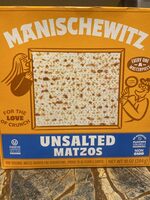 a NOVA 3
 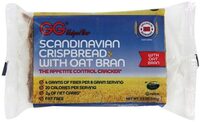 a NOVA 1
 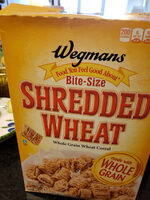 a NOVA 3
 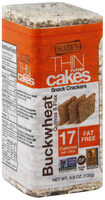 a NOVA 3
 More biscuits and cakes
View all → c NOVA 4
  e NOVA 4
  c NOVA 4
  d NOVA 3
  d NOVA 4
  d NOVA 4