
MSG (Monosodium glutamate, E621)
Updated September 18, 2026
MSG (monosodium glutamate, E621) is the sodium salt of glutamate, the compound that gives tomatoes, parmesan and soy sauce their savory umami taste. The FDA considers it safe, and research has not confirmed the "MSG symptom complex" at normal intakes. Some people may get short-lived mild symptoms after large doses (3 g or more) without food.
Quick facts
- Also known as
- Monosodium glutamate, E621, Glutamate
- E-number
- E621
- Function
- Flavor enhancers
- US status
- Generally recognized as safe (GRAS); must be listed as "monosodium glutamate"
- EU status
- Permitted as E621 with maximum levels; group ADI for glutamates
- Acceptable daily intake
- 30 mg per kg of body weight per day for all glutamates (EFSA 2017); no numerical limit in the US
- Found in
- 20,424 products (9,694 sold in the US)
- Foodmetria concern level
- Low concern How we rate additives
What is MSG?
MSG is glutamic acid — one of the most common amino acids in protein — combined with sodium. Once it dissolves, the glutamate in MSG is the same as the glutamate naturally present in tomatoes, aged cheese, mushrooms and soy sauce. Today it is made by fermenting starch, sugar beets, sugar cane or molasses.
MSG contains about a third as much sodium as table salt by weight, and it is used in much smaller amounts.
Why is MSG used in food?
MSG adds umami, the savory, "meaty" taste. It rounds out soups, broths, snacks, seasoning blends, instant noodles, chips and restaurant dishes, and it can make lower-salt foods taste less flat.
Ingredients such as yeast extract, hydrolyzed vegetable protein and autolyzed yeast also contain free glutamate and are used for the same reason.
Is MSG safe? What the research says
What the FDA says. The FDA classifies MSG as generally recognized as safe (GRAS). An independent review by FASEB in the 1990s found that some sensitive people may have mild, short-lived symptoms — headache, flushing, tingling, palpitations, drowsiness — after eating 3 grams or more of MSG without food. A typical serving of a food with added MSG contains less than 0.5 grams.
Perspective on amounts. According to the FDA, an average adult takes in about 13 grams of glutamate a day from protein in food, compared with about 0.55 grams from added MSG. The body handles glutamate from both sources the same way.
What EFSA says. In 2017 EFSA set a group acceptable daily intake of 30 mg/kg of body weight for glutamic acid and its salts (E620–E625). It noted that people whose diets are heavy in foods with added glutamates — and children with average diets — may exceed that level.
The "MSG symptom complex." Reports of headaches and other symptoms after eating MSG go back to the late 1960s. But in studies where people who describe themselves as MSG-sensitive were given either MSG or a placebo without knowing which, scientists have not been able to trigger reactions consistently, according to the FDA.
Bottom line: at normal amounts MSG is considered safe. If you notice a reaction, it is reasonable to avoid it — and to check for other glutamate-rich ingredients too.
MSG regulation: US vs EU
| Region | Status |
|---|---|
| United States | GRAS. Must be declared as "monosodium glutamate"; "No MSG" claims not allowed on foods with hydrolyzed protein or yeast extract. |
| European Union | Permitted as E621 with maximum levels. Group ADI 30 mg/kg for E620–E625 (EFSA 2017). |
In the US, MSG added to food must appear in the ingredient list as "monosodium glutamate." Products containing hydrolyzed protein or yeast extract cannot be labeled "No MSG" or "No added MSG," because those ingredients contain free glutamate. In the EU it is permitted as E621 under maximum levels.
Who should limit or avoid MSG?
- People who notice symptoms after MSG-heavy meals. Reactions reported in studies are mild and short-lived, but avoiding what bothers you is reasonable.
- People watching sodium. MSG adds some sodium, although less than the salt it can partly replace.
- MSG is not related to gluten, despite the similar-sounding name, and is fine for people with celiac disease.
Foods that commonly contain MSG
Share of published products in each category whose ingredient list includes MSG.
Popular products with MSG
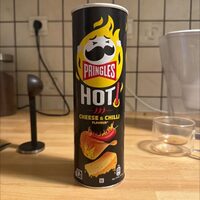 c NOVA 4
 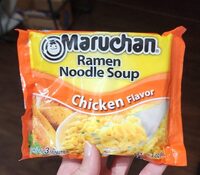 NOVA 4
 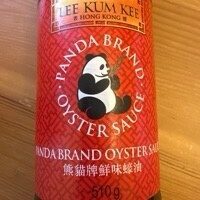 d NOVA 4
 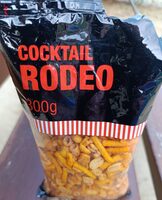 d NOVA 4
 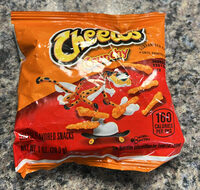 e NOVA 4
  d NOVA 4
 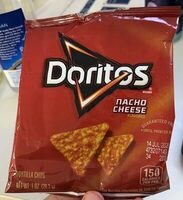 c NOVA 4
  d NOVA 4
 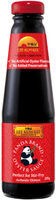 e NOVA 4
 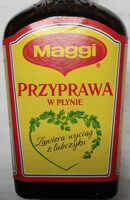 e NOVA 4
 MSG-free alternatives
Popular products from the same categories that don't list MSG and score Nutri-Score A–C.
 b NOVA 3
 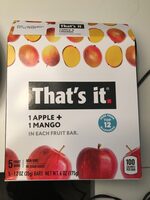 c NOVA 1
 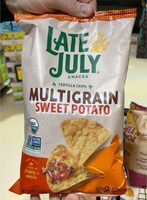 c NOVA 3
 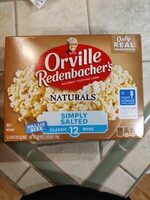 c NOVA 3
  c NOVA 3
 How to spot MSG on a label
Look for any of these names in the ingredient list:
Related additives
Frequently asked questions
Is MSG bad for you?
For most people, no. The FDA considers it generally recognized as safe. Some sensitive people may have mild, temporary symptoms after 3 grams or more taken without food — far more than a typical serving.
Does MSG cause headaches?
In placebo-controlled studies, scientists have not been able to trigger reactions consistently, even in people who consider themselves sensitive. A small number of people may get a headache after large doses (3 g or more) on an empty stomach.
Is the glutamate in MSG different from natural glutamate?
No. The body cannot tell them apart. Tomatoes, parmesan, mushrooms and soy sauce are naturally rich in the same glutamate.
Does MSG contain gluten?
No. MSG and gluten are unrelated despite the similar names. MSG is suitable for a gluten-free diet.
Is MSG vegan?
Yes. It is made by fermenting plant materials such as starch, sugar beets, sugar cane or molasses.
How can I tell if a food has MSG?
In the US it must be listed as "monosodium glutamate." Yeast extract, hydrolyzed vegetable protein and autolyzed yeast also contain free glutamate but are not labeled as MSG.
How much MSG is too much?
EFSA set an acceptable daily intake of 30 mg per kg of body weight for glutamates, about 2.1 g a day for a 70 kg adult. The US has no numerical limit.
Sources & references
- U.S. FDA — Questions and Answers on Monosodium Glutamate (MSG)
- EFSA (July 12, 2017). Press release on the re-evaluation of glutamates (E 620–625)
- EFSA (2017). Re-evaluation of glutamic acid (E 620), sodium glutamate (E 621), potassium glutamate (E 622), calcium glutamate (E 623), ammonium glutamate (E 624) and magnesium glutamate (E 625) as food additives. EFSA Journal 15(7):4910
Product data: Open Food Facts (ODbL), updated daily. Additive information is for general education and is not medical advice. Always check the package label. Our methodology.