
Cotton candy
Cotton candy provides 400 kcal per 100 ml, with 72.5 g of sugars and 5 g of protein. That is 74% more sugar than the average product in this category. It is classified as NOVA 4 (ultra-processed food). It is listed in the Dehydrated beverages category. Contains: milk.
Nutrient levels per 100 ml
Levels use UK front-of-pack reference thresholds for drinks.
Nutrition facts
Serving size: 1/4 cup (40 ml)
| Nutrient | Per 100 ml | Per serving | % DV* | Category avg |
|---|---|---|---|---|
| Calories | 400 kcal | 160 kcal | 312 +28% | |
| Total fat | 11.3 g | 4.5 g | 6% | 6 +86% |
| Saturated fat | 10 g | 4 g | 20% | 5.8 +71% |
| Carbohydrates | 82.5 g | 33 g | 12% | 61.5 +34% |
| Total sugars | 72.5 g | 29 g | 41.6 +74% | |
| Added sugarsUSDA | 65 g | 26 g | 52% | 32.3 +101% |
| Dietary fiber | 0 g | 0 g | 0% | 5.3 −100% |
| Protein | 5 g | 2 g | 4% | 5.4 −8% |
| Salt | 0.4 g | 0.1 g | 1.5 −77% |
*% Daily Value for a serving, based on a 2,000-calorie diet (FDA reference values). Category average across 2461 Dehydrated beverages products on Foodmetria.
Serving size and added sugars from the US product label in USDA FoodData Central, label data from November 2023. Other values: Open Food Facts.
Compared with other dehydrated beverages
Bar shows the share of products in this category that contain less of the nutrient.
Ingredients
Sugar, crystalline fructose, non-hydrogenated non dairy creamer (non-hydrogenated coconut oil, corn syrup solids, sodium caseinate [a milk derivative], sugar, dipotassium phosphate, silicon dioxide, propylene glycol esters of fatty acids, mono & diglycerides, salt soy lecithin, carrageenan, artificial flavor and annatto), nonfat milk, corn syrup solids, natural and artificial flavor, silicon dioxide (anti-caking agent), xanthan gum, cellulose gum, fd&c blue #1.
- Allergens
- Milk
Additives 11
Overexposure risk is based on EFSA evaluations as recorded by Open Food Facts.
Regulatory status of its additives
How the US, individual states and the EU treat additives found in this product's ingredient list.
United States
Blue 1 (E133) is among six petroleum-based dyes FDA is asking manufacturers to remove by the end of 2027. The phase-out is voluntary: the dyes remain approved.
California
The California School Food Safety Act (AB 2316) bars Blue 1 (E133) from food served or sold in public schools from December 31, 2027.
West Virginia
West Virginia HB 2354 has barred Blue 1 (E133) from school nutrition programs since August 1, 2025. A statewide ban due January 1, 2028 is on hold under a preliminary injunction (December 23, 2025) while the state appeals.
What these additives are and what the research says: Blue 1.
Additives are detected from the ingredient list by Open Food Facts and may be incomplete or out of date. Regulatory status checked October 6, 2026; rules are changing quickly. Not legal advice — always check the package label.
Product details
- Serving size
- 1/4 cup (40 ml)
- Sold in
- United States
- Barcode
- 0814879023738
Prices reported by shoppers
Loading prices…
Frequently asked questions
How many calories are in Cotton candy?
Cotton candy contains 400 kcal per 100 ml and about 160 kcal per serving (1/4 cup (40 ml)).
How much sugar is in Cotton candy?
Cotton candy has 72.5 g of sugars per 100 ml, which is considered high by UK front-of-pack guidelines.
Is Cotton candy healthy?
It is in NOVA group 4 — ultra-processed food. Scores describe nutritional quality and processing, not suitability for your individual diet.
Is Cotton candy vegan?
Based on its ingredient list, it is not vegan.
What allergens does Cotton candy contain?
According to the label data it contains: Milk. Recipes change — always check the package label.
Does Cotton candy contain additives restricted in the US or the EU?
Its ingredient list includes Blue 1 (E133). FDA is asking manufacturers to stop using it by the end of 2027 (voluntarily); California bars it from public schools from December 31, 2027; West Virginia bars it from school meals. Recipes change — check the package label.
Source: Open Food Facts (ODbL). Last updated April 23, 2020. Spotted a mistake? Edit this product on Open Food Facts. Not medical advice — always check the package label.
Reviews
Compare & rankings
Healthier alternatives
Best in category →Same category, meaningfully better on at least one measure and no worse on the others. Each card shows what improves.
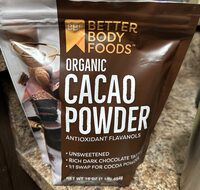 NOVA 1
  NOVA 1
 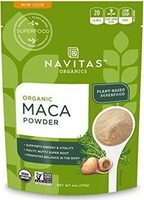 NOVA 1
 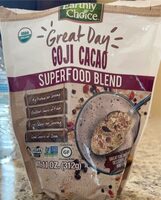 NOVA 3
 More dehydrated beverages
View all →
 NOVA 1
  d NOVA 4
  NOVA 4
  NOVA 4
  NOVA 4