
Tuna Pasta Bake vs Tuna pasta bake
Overall, Tuna pasta bake has the better nutritional profile on the measures we compare. It wins on 5 of our comparison points versus 0.
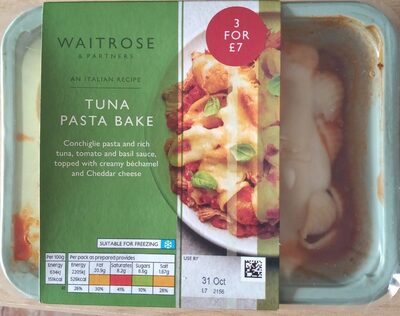
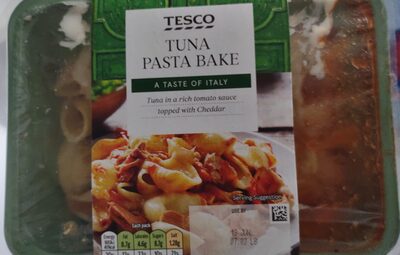
Nutrition per 100 g
| Nutrient | Tuna Pasta Bake | Tuna pasta bake |
|---|---|---|
| Nutri-Score | b | a |
| NOVA group | — | 3 |
| Calories | 151 kcal | 134 kcal |
| Fat | 6 g | 4 g |
| Saturated fat | 2.4 g | 1.9 g |
| Sugars | 2.5 g | 2.5 g |
| Salt | 0.5 g | 0.5 g |
| Fiber | — | 1.3 g |
| Protein | 8.9 g | 8.2 g |
| Additives | 0 | 0 |
| Allergens | None listed | Fish, Gluten, Milk |
Green = better value for that nutrient (less sugar, fat, salt and calories; more fiber and protein).
Key differences
- Tuna pasta bake has 11% fewer calories (134 kcal vs 151 kcal).
- Tuna pasta bake has 34% less fat (4 g vs 6 g).
- Tuna pasta bake has 21% less saturated fat (1.9 g vs 2.4 g).
- Tuna pasta bake has the better Nutri-Score.
- Only Tuna pasta bake lists: Fish, Gluten, Milk.
Ingredients
Tuna Pasta Bake
Not available.
Tuna pasta bake
Tomato, Cooked Pasta [Water, Durum Wheat Semolina], Tuna (Fish) (15%), Water, Whole Milk, Mature Cheddar Cheese (Milk) (3%), Cornflour, Wheat Flour [Wheat Flour, Calcium Carbonate, Iron, Niacin, Thiamin), Onion, Tomato Purée, Butter (Milk), Garlic Purée, Salt, Basil, Sugar, Black Pepper, White Pepper, Nutmeg. Allergy Advice For allergens, including cereals containing gluten, see ingredients in bold. Caution This product can contain minor bones. Responsibly sourcing our seafood is important to us, which is why Tesco fish experts work with responsibly managed
FAQ
Which is healthier: Tuna Pasta Bake or Tuna pasta bake?
Overall, Tuna pasta bake has the better nutritional profile on the measures we compare. We compare Nutri-Score, processing level and seven nutrients per 100 g. Your own needs (for example low sugar or high protein) may make a different choice better for you.
Which has fewer calories?
Tuna pasta bake has fewer calories: 134 kcal versus 151 kcal per 100 g.
Which has less sugar?
Tuna pasta bake has less sugar: 2.5 g versus 2.5 g per 100 g.