
Pierogi Ruskie vs Pierogi Ruskie
Neither product is clearly better overall — it depends on what matters most to you.
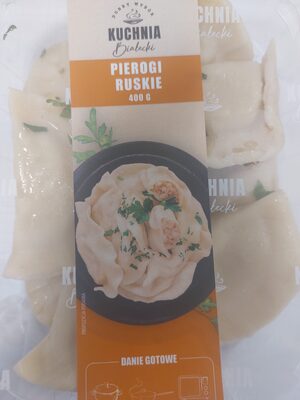
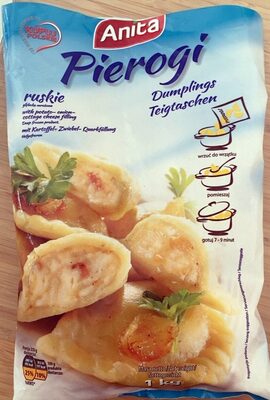
Nutrition per 100 g
| Nutrient | Pierogi Ruskie | Pierogi Ruskie |
|---|---|---|
| Nutri-Score | a | c |
| NOVA group | 4 | 4 |
| Calories | 374 kcal | 197 kcal |
| Fat | 22 g | 2.6 g |
| Saturated fat | 5.3 g | 0.6 g |
| Sugars | 1.3 g | 2.2 g |
| Salt | 3.9 g | 0.8 g |
| Fiber | 2.3 g | — |
| Protein | 9.9 g | 5.6 g |
| Additives | 8 | 2 |
| Allergens | Eggs, Gluten, Milk | Gluten, Milk |
Green = better value for that nutrient (less sugar, fat, salt and calories; more fiber and protein).
Key differences
- Pierogi Ruskie has 47% fewer calories (197 kcal vs 374 kcal).
- Pierogi Ruskie has 88% less fat (2.6 g vs 22 g).
- Pierogi Ruskie has 89% less saturated fat (0.6 g vs 5.3 g).
- Pierogi Ruskie has 41% less sugar (1.3 g vs 2.2 g).
- Pierogi Ruskie has 80% less salt (0.8 g vs 3.9 g).
- Pierogi Ruskie has 43% more protein (9.9 g vs 5.6 g).
- Pierogi Ruskie has the better Nutri-Score.
- Only Pierogi Ruskie lists: Eggs.
Ingredients
Pierogi Ruskie
Farsz 51% (ziemniaki, twaróg półtłusty [_MLEKO_ pasteryzowane, bakterie fermentacji mlekowej], twaróg wędzony solankowy [MLEKO pasteryzowane, sól (1%), kultury bakterii fermentacji mlekowej], cebula świeża, boczek wędzony [wieprzowina 90%, woda, glukoza, cukier, stabilizator (E451), wzmacniacz smaku (E621, E635), przeciwutleniacz (E300), substancja żelująca (E407), (E425), aromat, ekstrakt drożdżowy, chlorek sodu, substancja konserwująca (azotyn sodu), białko wieprzowe, przeciwutleniacz (E306)], cebula prażona [świeża cebula (76%), olej palmowy, mąka _PSZENNA_, pieprz czarny, pieprz biały, czosnek granulowany (zawiera SO2)), ciasto 47% (mąka _pszenna_, masło [śmietanka pasteryzowana (z _mleka_)], żółtka _JAJ_ kurzych, sól)
Pierogi Ruskie
Wheat flour, water, fried onions 6,5% (onions, pork fat, canola oil), potato flakes 4,9%; cottage cheese 3,2%; canola oil, stabiliser: guar gum; wheat fibre, pepper, salt, colour carotene, Filling content not less than 35%. The product may contain soy, eggs, celery and mustard seeds. Product should be eaten after cooking - preparation.
FAQ
Which is healthier: Pierogi Ruskie or Pierogi Ruskie?
Neither product is clearly better overall — it depends on what matters most to you. We compare Nutri-Score, processing level and seven nutrients per 100 g. Your own needs (for example low sugar or high protein) may make a different choice better for you.
Which has fewer calories?
Pierogi Ruskie has fewer calories: 197 kcal versus 374 kcal per 100 g.
Which has less sugar?
Pierogi Ruskie has less sugar: 1.3 g versus 2.2 g per 100 g.