
Peanut Butter Pillows vs Musli
Overall, Musli has the better nutritional profile on the measures we compare. It wins on 3 of our comparison points versus 0.
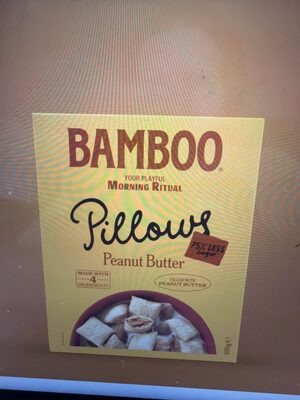
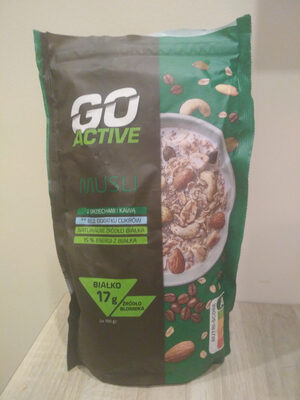
Nutrition per 100 g
| Nutrient | Peanut Butter Pillows | Musli |
|---|---|---|
| Nutri-Score | a | a |
| NOVA group | — | 1 |
| Calories | 464 kcal | 456 kcal |
| Fat | 22 g | 22 g |
| Saturated fat | 2.9 g | 2.8 g |
| Sugars | 5.9 g | 4.7 g |
| Salt | 0.2 g | 0.1 g |
| Fiber | 5.1 g | 11 g |
| Protein | 15 g | 17 g |
| Additives | 0 | 0 |
| Allergens | None listed | Nuts, Peanuts |
Green = better value for that nutrient (less sugar, fat, salt and calories; more fiber and protein).
Key differences
- Musli has 20% less sugar (4.7 g vs 5.9 g).
- Musli has 54% more fiber (11 g vs 5.1 g).
- Musli has 12% more protein (17 g vs 15 g).
- Only Musli lists: Nuts, Peanuts.
Ingredients
Peanut Butter Pillows
Wholegrain rice flour, peanut butter 40%, coconut sugar, salt. May contain traces of soy, milk and nuts
Musli
45 % płatki zbożowe (owsiane pełnoziarniste, pszenne pełnoziarniste), 10% połówki prażonych orzeszków ziemnych, 10 % orzechy (połówki prażonych orzechów laskowych, 4% migdały, 2 % orzechy nerkowca), Quinoa (ekspando - wane ziarna komosy ryżowej), ziarna słonecznika, 5 % pestki dyni, kawałki suszonych jabłek, 4% siemię lniane, 3 % nasiona chia [nasiona szałwii hiszpańskiej (Salvia hispanica)], 2% kawa rozpuszczalna. Produkt może zawierać inne orzechy, soję, mleko oraz nasiona sezamu. Wartość odżywcza
FAQ
Which is healthier: Peanut Butter Pillows or Musli?
Overall, Musli has the better nutritional profile on the measures we compare. We compare Nutri-Score, processing level and seven nutrients per 100 g. Your own needs (for example low sugar or high protein) may make a different choice better for you.
Which has fewer calories?
Musli has fewer calories: 456 kcal versus 464 kcal per 100 g.
Which has less sugar?
Musli has less sugar: 4.7 g versus 5.9 g per 100 g.