
Muschi file feliat vs Chinese Pork Loin Steaks
Overall, Muschi file feliat has the better nutritional profile on the measures we compare. It wins on 4 of our comparison points versus 2.
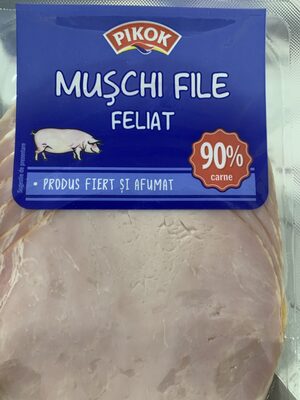
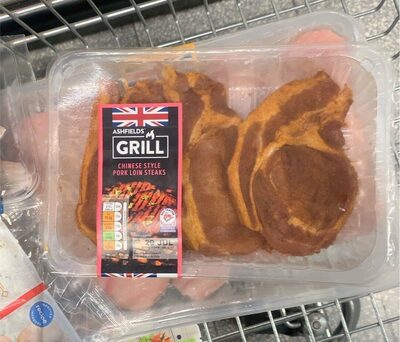
Nutrition per 100 g
| Nutrient | Muschi file feliat | Chinese Pork Loin Steaks |
|---|---|---|
| Nutri-Score | d | d |
| NOVA group | 4 | 4 |
| Calories | 127 kcal | 244 kcal |
| Fat | 5.5 g | 14.5 g |
| Saturated fat | 1.7 g | 5.4 g |
| Sugars | 1.1 g | 3.3 g |
| Salt | 2.2 g | 0.9 g |
| Fiber | — | 0 g |
| Protein | 16.5 g | 25.1 g |
| Additives | 2 | 3 |
| Allergens | None listed | None listed |
Green = better value for that nutrient (less sugar, fat, salt and calories; more fiber and protein).
Key differences
- Muschi file feliat has 48% fewer calories (127 kcal vs 244 kcal).
- Muschi file feliat has 62% less fat (5.5 g vs 14.5 g).
- Muschi file feliat has 69% less saturated fat (1.7 g vs 5.4 g).
- Muschi file feliat has 67% less sugar (1.1 g vs 3.3 g).
- Chinese Pork Loin Steaks has 61% less salt (0.9 g vs 2.2 g).
- Chinese Pork Loin Steaks has 34% more protein (25.1 g vs 16.5 g).
Ingredients
Muschi file feliat
90% cotlet de porc fără os, apă, sare, conservant: nitrit de sodiu; zahăr, stabilizator: trifosfati; agent de îngroşare: algă marină Eucheuma prelucrată; antioxidant: eritorbat de sodiu; aromă.
Chinese Pork Loin Steaks
british pork loin (95%), chinese style marinade (sugar, maize starch, salt, spices, glucose syrup, tomato powder, onion powder, garlic powder, colours: paprika extract, beetroot red, antioxidant: citric acid),
FAQ
Which is healthier: Muschi file feliat or Chinese Pork Loin Steaks?
Overall, Muschi file feliat has the better nutritional profile on the measures we compare. We compare Nutri-Score, processing level and seven nutrients per 100 g. Your own needs (for example low sugar or high protein) may make a different choice better for you.
Which has fewer calories?
Muschi file feliat has fewer calories: 127 kcal versus 244 kcal per 100 g.
Which has less sugar?
Muschi file feliat has less sugar: 1.1 g versus 3.3 g per 100 g.