
Mediterranean Crunch Chopped Kit vs Harissa chicken couscous salad
Overall, Harissa chicken couscous salad has the better nutritional profile on the measures we compare. It wins on 9 of our comparison points versus 0.
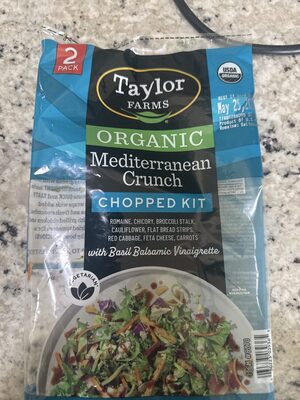
Mediterranean Crunch Chopped Kit

Harissa chicken couscous salad
Nutrition per 100 g
| Nutrient | Mediterranean Crunch Chopped... | Harissa chicken couscous sal... |
|---|---|---|
| Nutri-Score | c | a |
| NOVA group | 4 | — |
| Calories | 150 kcal | 121 kcal |
| Fat | 10 g | 2.2 g |
| Saturated fat | 2 g | 0.4 g |
| Sugars | 7 g | 2.1 g |
| Salt | 0.9 g | 0.4 g |
| Fiber | 2 g | 5.2 g |
| Protein | 3 g | 9.5 g |
| Additives | 3 | 1 |
| Allergens | Celery, Gluten, Milk, Soybeans | Gluten, Milk, Sulphur dioxide and sulphites |
Green = better value for that nutrient (less sugar, fat, salt and calories; more fiber and protein).
Key differences
- Harissa chicken couscous salad has 19% fewer calories (121 kcal vs 150 kcal).
- Harissa chicken couscous salad has 78% less fat (2.2 g vs 10 g).
- Harissa chicken couscous salad has 80% less saturated fat (0.4 g vs 2 g).
- Harissa chicken couscous salad has 70% less sugar (2.1 g vs 7 g).
- Harissa chicken couscous salad has 49% less salt (0.4 g vs 0.9 g).
- Harissa chicken couscous salad has 62% more fiber (5.2 g vs 2 g).
- Harissa chicken couscous salad has 68% more protein (9.5 g vs 3 g).
- Harissa chicken couscous salad has the better Nutri-Score.
- Only Mediterranean Crunch Chopped Kit lists: Celery, Soybeans.
- Only Harissa chicken couscous salad lists: Sulphur dioxide and sulphites.
Ingredients
Mediterranean Crunch Chopped Kit
organic soybean oil, organic balsamic vinegar, organic cane sugar, water, organic extra virgin olive oil, salt, organic apple cider vinegar, organic basil, organic black pepper, xanthan gum, organic romaine lettuce, organic frisee, organic broccoli, organic cauliflower, organic herb seasoned flat bread strips, organic wheat flour, water, organic palm shortening, salt, organic yeast, organic sunflower oil, organic garlic, organic maltodextrin, organic spices, organic tomato, organic butter flavor, organic carrot, organic parsley, organic celery, organic paprika, ascorbic acid, organic red cabbage, organic feta cheese, pasteurized organic milk, salt, cheese culture, enzymes, organic potato starch, powdered cellulose, organic carrot
Harissa chicken couscous salad
Chicken Breast (20%) Cooked Wheatflour Couscous (18%) (Water Wheatflour (contains Gluten)) Cooked Green Lentils (10%) (Water Green Lentils) Black-Eyed Beans Cooked Bulgur Wheat (8%) (Bulgur Wheat (contains Gluten) Water) Chickpeas. Greek Style Yogurt (Milk) Peppers Tomatoes Honey Water. Vegetable Oil (Sunflower/Rapeseed) Preserved Lemon (Lemon Peel . . . ● • ● Sea Salt Preservative: E223 (Sulphites)) Garlic Purée · Ground Spices (Cumin Coriander Smoked Paprika Paprika - Turmeric. Black Pepper Allspice) Red Chilli Purée Lime Juice Spinach. Mint Tomato Paste Parsley Lemon Juice Red Pepper Purée. Salt Cornflour White Wine Vinegar Dill Red Wine Vinegar Extra Virgin Olive Oil Fromage Frais (Milk) Dried Paprika Flakes - harissa marinated chicken breast with wheatflour couscous, lentils and bulgur wheat with a lemon yogurt dressing May contain bones. . 0 • • ● . 7 n Chicory Fibre Lemon Zest Soured Cream (Milk). Pasteurised Egg Yolk Sugar Dried Oregano Dried Mustard Mustard Bran Vinegar. For allergens see ingredients in bold. 9 Del eat. Bes well & a Pro mu 1. Made in the chicken from SC1844 M CH99 9QS M&S (Irelan PO Box 130 Dublin 2 Ire TRAY Recycle FILM Don't recyc
FAQ
Which is healthier: Mediterranean Crunch Chopped Kit or Harissa chicken couscous salad?
Overall, Harissa chicken couscous salad has the better nutritional profile on the measures we compare. We compare Nutri-Score, processing level and seven nutrients per 100 g. Your own needs (for example low sugar or high protein) may make a different choice better for you.
Which has fewer calories?
Harissa chicken couscous salad has fewer calories: 121 kcal versus 150 kcal per 100 g.
Which has less sugar?
Harissa chicken couscous salad has less sugar: 2.1 g versus 7 g per 100 g.