
Lidl Haddock Fillets vs Thon Albacore
Overall, Thon Albacore has the better nutritional profile on the measures we compare. It wins on 8 of our comparison points versus 0.
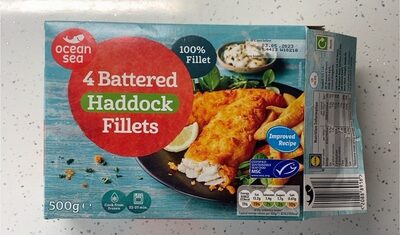
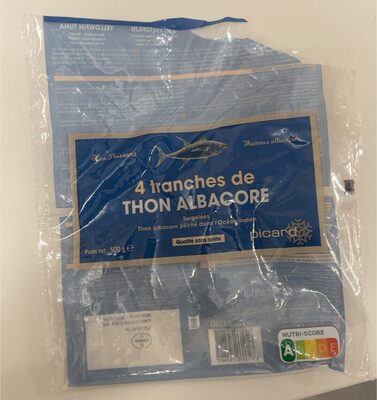
Nutrition per 100 g
| Nutrient | Lidl Haddock Fillets | Thon Albacore |
|---|---|---|
| Nutri-Score | c | a |
| NOVA group | 4 | — |
| Calories | 204 kcal | 102 kcal |
| Fat | 10.2 g | 0.5 g |
| Saturated fat | 0.8 g | 0.2 g |
| Sugars | 1.8 g | 0.5 g |
| Salt | 0.9 g | 0.1 g |
| Fiber | 0.7 g | 0.5 g |
| Protein | 9.2 g | 24 g |
| Additives | 3 | 0 |
| Allergens | Fish, Gluten, Milk, Mustard | Fish |
Green = better value for that nutrient (less sugar, fat, salt and calories; more fiber and protein).
Key differences
- Thon Albacore has 50% fewer calories (102 kcal vs 204 kcal).
- Thon Albacore has 95% less fat (0.5 g vs 10.2 g).
- Thon Albacore has 75% less saturated fat (0.2 g vs 0.8 g).
- Thon Albacore has 72% less sugar (0.5 g vs 1.8 g).
- Thon Albacore has 88% less salt (0.1 g vs 0.9 g).
- Thon Albacore has 62% more protein (24 g vs 9.2 g).
- Thon Albacore has the better Nutri-Score.
- Only Lidl Haddock Fillets lists: Gluten, Milk, Mustard.
Ingredients
Lidl Haddock Fillets
Haddock 52% (FISH) Batter (Wheat flour [WHEAT flour, Calcium Carbonate, Iron, Niacin, Thiamin), Potato Starch, Rice Flour, Maize Flour, WHEAT Starch, Salt, Dextrose, Sunflower Oil, Palm Oil, Skimmed MILK Powder, MUSTARD, Raising Agents (Diphosphates, Sodium Carbonates, Ammonium carbonates), Flavouring, Black Pepper), Rapeseed Oil.
Thon Albacore
Yellowfin tuna (FISH) boneless*. Wild Thunnus albacares caught using purse seines and lift nets in the western Indian Ocean (FAO 51).
FAQ
Which is healthier: Lidl Haddock Fillets or Thon Albacore?
Overall, Thon Albacore has the better nutritional profile on the measures we compare. We compare Nutri-Score, processing level and seven nutrients per 100 g. Your own needs (for example low sugar or high protein) may make a different choice better for you.
Which has fewer calories?
Thon Albacore has fewer calories: 102 kcal versus 204 kcal per 100 g.
Which has less sugar?
Thon Albacore has less sugar: 0.5 g versus 1.8 g per 100 g.