
Kurkure vs Moong Dal
Overall, Moong Dal has the better nutritional profile on the measures we compare. It wins on 7 of our comparison points versus 1.
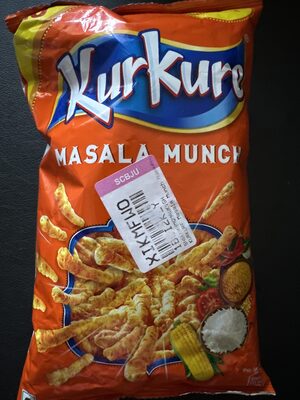
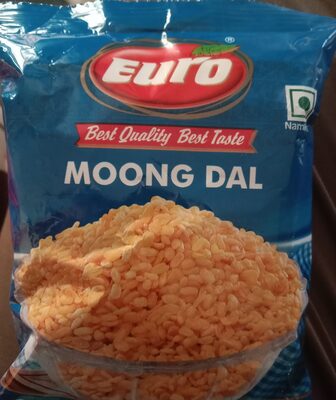
Nutrition per 100 g
| Nutrient | Kurkure | Moong Dal |
|---|---|---|
| Nutri-Score | e | c |
| NOVA group | 4 | — |
| Calories | 557 kcal | 460 kcal |
| Fat | 33.7 g | 20.2 g |
| Saturated fat | 7.7 g | 9.7 g |
| Sugars | 2.2 g | 0 g |
| Salt | 2 g | 0 g |
| Fiber | 0 g | 0 g |
| Protein | 6 g | 19.5 g |
| Additives | 4 | 0 |
| Allergens | None listed | Gluten, Sesame seeds |
Green = better value for that nutrient (less sugar, fat, salt and calories; more fiber and protein).
Key differences
- Moong Dal has 17% fewer calories (460 kcal vs 557 kcal).
- Moong Dal has 40% less fat (20.2 g vs 33.7 g).
- Kurkure has 21% less saturated fat (7.7 g vs 9.7 g).
- Moong Dal has no sugar, while Kurkure has 2.2 g.
- Moong Dal has no salt, while Kurkure has 2 g.
- Moong Dal has 69% more protein (19.5 g vs 6 g).
- Moong Dal has the better Nutri-Score.
- Only Moong Dal lists: Gluten, Sesame seeds.
Ingredients
Kurkure
Cereal Products (66%) (Rice Meal (43.5%), Corn Meal (23%)), Edible Vegetable Oil (Palmolein),*Seasoning (~Spices and Condiments, lodised Salt, Sugar, Flavour (Natural and Nature Identical Flavouring Substances), Black Salt, Tomato Powder, Acidity Regulators (330, 296, 334), Colour(160c), Maltodextrin) , Gram Meal (0.5%).
Moong Dal
Green Gram Lentils, Refined Palmolein Oil, lodised Salt Allergy Advice May contain: Peanuts, Tree Nuts, Spa, Wheat & Sesame Seeds. Strina Cool & Dry Place. ep Away From Direct Sunlight & Heat. Member SK Sud Asse the Food KEEP OUR CITY USA MRP R CLEAN & GREEN OTHER QUALI GUARANTEED Rs.15.00
FAQ
Which is healthier: Kurkure or Moong Dal?
Overall, Moong Dal has the better nutritional profile on the measures we compare. We compare Nutri-Score, processing level and seven nutrients per 100 g. Your own needs (for example low sugar or high protein) may make a different choice better for you.
Which has fewer calories?
Moong Dal has fewer calories: 460 kcal versus 557 kcal per 100 g.
Which has less sugar?
Moong Dal has less sugar: 0 g versus 2.2 g per 100 g.