
Gyoza Beef Bulgogi vs Gyoza, Gemüse
Overall, Gyoza, Gemüse has the better nutritional profile on the measures we compare. It wins on 4 of our comparison points versus 1.
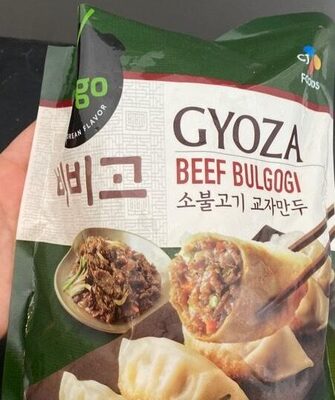
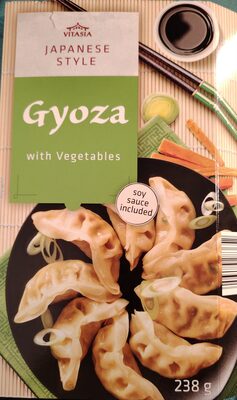
Nutrition per 100 g
| Nutrient | Gyoza Beef Bulgogi | Gyoza, Gemüse |
|---|---|---|
| Nutri-Score | c | c |
| NOVA group | 4 | 4 |
| Calories | 178 kcal | 170 kcal |
| Fat | 5 g | 3.6 g |
| Saturated fat | 1.9 g | 0.4 g |
| Sugars | 4.5 g | 2.9 g |
| Salt | 1.2 g | 1.2 g |
| Fiber | 2.6 g | 3.2 g |
| Protein | 8.4 g | 3.1 g |
| Additives | 2 | 3 |
| Allergens | Apple, Beef, Gluten, Sesame seeds, Soybeans | Eggs, Gluten, Milk, Soybeans |
Green = better value for that nutrient (less sugar, fat, salt and calories; more fiber and protein).
Key differences
- Gyoza, Gemüse has 28% less fat (3.6 g vs 5 g).
- Gyoza, Gemüse has 79% less saturated fat (0.4 g vs 1.9 g).
- Gyoza, Gemüse has 36% less sugar (2.9 g vs 4.5 g).
- Gyoza, Gemüse has 19% more fiber (3.2 g vs 2.6 g).
- Gyoza Beef Bulgogi has 63% more protein (8.4 g vs 3.1 g).
- Only Gyoza Beef Bulgogi lists: Apple, Beef, Sesame seeds.
- Only Gyoza, Gemüse lists: Eggs, Milk.
Ingredients
Gyoza Beef Bulgogi
Vegetables 30% (Cabbage 29%, Spring Onions 26%, Onions 25%, Carrots 20%), Wheat Flour, Beef 19%, Water, Soy Sauce (Water, Soybeans, Wheat, Salt], Apple Sauce (Apple, Glucose-fructose-syrup, Sugar, Acidity regulator: Citric acid, Antioxidant: Ascorbic acid, Sugar, Textured Soy Protein, Garlic, Tapioca Starch, Corn Starch, Sesame Oil, Yeast Extract, Soy Protein Isolate, Salt, Wheat Gluten, Rapeseed Oil, Black Pepper, Ginger
Gyoza, Gemüse
dumplings (wheat flour, 22% white cabbage, 16% carrots, water, 13% leek, potato starch, stabilizers (distarch phosphate, sodium carboxymethylcellulose, xanthan gum), soy sauce (water, salt, soybeans, wheat), rapeseed oil , salt, 1% onion, spices, flavors, sugar, powdered eggs, spice extracts, lactose, wheat fiber, pea fiber, psyllium fiber), soy sauce (water, soybeans, wheat, salt),
FAQ
Which is healthier: Gyoza Beef Bulgogi or Gyoza, Gemüse?
Overall, Gyoza, Gemüse has the better nutritional profile on the measures we compare. We compare Nutri-Score, processing level and seven nutrients per 100 g. Your own needs (for example low sugar or high protein) may make a different choice better for you.
Which has fewer calories?
Gyoza, Gemüse has fewer calories: 170 kcal versus 178 kcal per 100 g.
Which has less sugar?
Gyoza, Gemüse has less sugar: 2.9 g versus 4.5 g per 100 g.