
Baked Beans vs Alubia roja
Overall, Alubia roja has the better nutritional profile on the measures we compare. It wins on 5 of our comparison points versus 4.
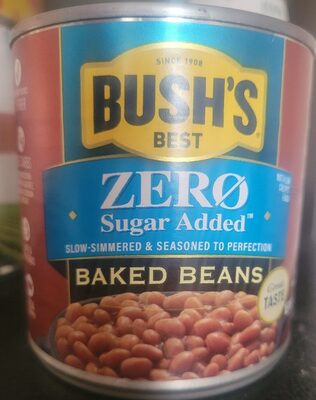
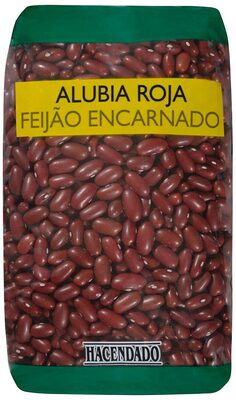
Nutrition per 100 g
| Nutrient | Baked Beans | Alubia roja |
|---|---|---|
| Nutri-Score | b | a |
| NOVA group | 4 | — |
| Calories | 85 kcal | 292 kcal |
| Fat | 0.4 g | 1 g |
| Saturated fat | 0 g | 0.3 g |
| Sugars | 0.8 g | 2.3 g |
| Salt | 1.2 g | 0 g |
| Fiber | 9.2 g | 18.9 g |
| Protein | 5.4 g | 21.4 g |
| Additives | 1 | 0 |
| Allergens | Mustard | None listed |
Green = better value for that nutrient (less sugar, fat, salt and calories; more fiber and protein).
Key differences
- Baked Beans has 71% fewer calories (85 kcal vs 292 kcal).
- Baked Beans has 62% less fat (0.4 g vs 1 g).
- Baked Beans has no saturated fat, while Alubia roja has 0.3 g.
- Baked Beans has 67% less sugar (0.8 g vs 2.3 g).
- Alubia roja has 97% less salt (0 g vs 1.2 g).
- Alubia roja has 51% more fiber (18.9 g vs 9.2 g).
- Alubia roja has 75% more protein (21.4 g vs 5.4 g).
- Alubia roja has the better Nutri-Score.
- Only Baked Beans lists: Mustard.
Ingredients
Baked Beans
prepared navy beans, water, soluble corn fiber contains 2% or less of: salt, mustard (water, vinegar, mustard beo, back paprika, turmeric), modified corn starch, onion powder, yeast extract, caramel color. natural flavors. spices metal can halose, garlic powder. vegetarian gluten free bush brothers & company p.o. box 52330 depl knoxville, tn 37950 2130 usa www.bushbeans.com 1-800 500 17 please refer to the code on end of can
Alubia roja
Feijão encarnado
FAQ
Which is healthier: Baked Beans or Alubia roja?
Overall, Alubia roja has the better nutritional profile on the measures we compare. We compare Nutri-Score, processing level and seven nutrients per 100 g. Your own needs (for example low sugar or high protein) may make a different choice better for you.
Which has fewer calories?
Baked Beans has fewer calories: 85 kcal versus 292 kcal per 100 g.
Which has less sugar?
Baked Beans has less sugar: 0.8 g versus 2.3 g per 100 g.