
Polysorbate 80 (E433)
Updated September 28, 2026
Polysorbate 80 (E433) is a synthetic emulsifier that keeps oil and water mixed — most familiar from ice cream, where it controls texture. Regulators permit it in the US and the EU with a daily limit of 25 mg per kg of body weight. Mouse studies have linked it to gut inflammation and metabolic changes, which is why it is discussed alongside the microbiome; that work has not been reproduced in people, and in a large human study it was not among the emulsifiers linked to cancer risk.
Quick facts
- Also known as
- Tween 80, E433
- E-number
- E433
- Function
- Emulsifiers & thickeners
- US status
- Approved food additive (21 CFR 172.840) with specific limits for each use
- EU status
- Permitted as E433
- Acceptable daily intake
- 25 mg per kg of body weight per day, as a group with the other polysorbates (EFSA 2015; JECFA 0–25 mg/kg)
- Found in
- 5,755 products (5,386 sold in the US)
- Foodmetria concern level
- Moderate concern How we rate additives
What is Polysorbate 80?
Polysorbate 80 is a synthetic emulsifier and surfactant, made by attaching chains of ethylene oxide to sorbitol and then joining them to oleic acid, a fatty acid found in olive and other vegetable oils. The result is a viscous amber liquid, water-soluble and tasteless at the amounts used.
Its full chemical name is polyoxyethylene (20) sorbitan monooleate, which is how it appears in regulations. In laboratories and pharmacy it is known as Tween 80 — the same compound is used to stabilize some injectable medicines and vaccines, which is where much of the online discussion about it originates.
On a label it appears as polysorbate 80, and outside the US as E433. It belongs to a family of five polysorbates (E432 to E436) that regulators assess together.
Why is Polysorbate 80 used in food?
Polysorbate 80 lets oil and water stay mixed, and it controls how fat crystals and air bubbles behave. In practice that means:
- Ice cream and frozen desserts. Its biggest use. It gives the smooth, slow-melting, scoopable texture people expect, and prevents ice crystals from forming.
- Dressings and sauces, where it stops separation.
- Shortenings and edible oils, and whipped toppings, where it stabilizes the foam.
- Pickles and flavored products, to disperse flavor oils evenly through a water-based liquid.
- Vitamin and mineral supplements, to dissolve fat-soluble vitamins.
Unlike most additives, US rules set a separate maximum for each of these uses rather than one blanket limit — 0.1% in frozen desserts, 1% in shortenings and oils, 500 parts per million in pickles, and so on.
Is Polysorbate 80 safe? What the research says
What regulators say. FDA permits polysorbate 80 with use-by-use limits under 21 CFR 172.840. EFSA re-evaluated the polysorbates in 2015 and set a group acceptable daily intake of 25 mg per kg of body weight per day, raised from the older European figure of 10 mg/kg on the strength of long-term rat studies. The WHO/FAO expert committee (JECFA) has used the same 0–25 mg/kg group ADI since 1973 and reconfirmed it at its 102nd meeting in 2026.
One number worth knowing. EFSA's 2015 assessment found that for toddlers at the high end of consumption, estimated intake reached 24.5 mg per kg of body weight per day — essentially at the limit. The panel did not conclude there was a safety problem, but it did ask for better data on how much manufacturers actually use. That thin margin, for young children, is the main reason this additive sits above "no concern".
The microbiome research. A 2015 study in Nature gave mice polysorbate 80 or carboxymethylcellulose in their drinking water and found thinning of the protective mucus layer, bacteria moving closer to the gut wall, low-grade inflammation and features of metabolic syndrome; mice already prone to colitis developed worse disease. Transplanting the altered gut bacteria into germ-free mice reproduced the effects, which made a strong case that the microbiome was the mechanism.
This is important work, and it is a mouse study. The animals received the emulsifier continuously in drinking water at 1%; how that compares with a person's exposure from food is exactly the question that is not settled.
What the human data show so far. The large French NutriNet-Santé cohort has tracked emulsifier intake against disease. In its 2024 cancer analysis of about 92,000 people followed for an average of 6.7 years, higher intake of mono- and diglycerides (E471) and of carrageenans was associated with higher cancer risk — but polysorbate 80 was not among the emulsifiers linked to risk. The authors noted that intake of E433 in that population was much lower than for the emulsifiers that did show associations. Being an observational study, it can show associations but not causes, and the authors list several limitations including the absence of a biological marker for emulsifier intake.
Bottom line: polysorbate 80 is approved everywhere and no human study has shown it causes disease. The animal evidence on gut lining and inflammation is real and worth following, and children's intake sits closer to the limit than most people would guess. That is a reason to be aware of it, not alarmed by it.
Polysorbate 80 regulation: US vs EU
| Region | Status |
|---|---|
| United States | Approved food additive (21 CFR 172.840) with a separate maximum for each use — for example 0.1% in frozen desserts, 1% in shortenings and edible oils, 500 ppm in pickles. Not on FDA's post-market review list as of July 2026. |
| European Union | Permitted as E433. Group ADI of 25 mg/kg of body weight per day for polysorbates E432–E436, set by EFSA in 2015 (raised from the earlier 10 mg/kg). |
| International (JECFA) | Group ADI 0–25 mg/kg of body weight as total polyoxyethylene (20) sorbitan esters, first set in 1973 and reconfirmed at the 102nd meeting in 2026. |
| Canada | Permitted as an emulsifier in specified foods. |
Polysorbate 80 is permitted in the US, the EU and internationally, and no regulator has proposed restricting it.
In the US it is an approved food additive under 21 CFR 172.840, with a separate maximum for each permitted use rather than a single limit. It is not on FDA's list of chemicals in the food supply under post-market review, updated in July 2026, and no US state has restricted it.
In the EU it is authorized as E433, with a group acceptable daily intake of 25 mg per kg of body weight per day covering all five polysorbates, set by EFSA in 2015. JECFA reconfirmed the same group ADI at its 102nd meeting in 2026.
Who should limit or avoid Polysorbate 80?
- Children who eat a lot of ice cream and frozen desserts. EFSA's estimate put high-consuming toddlers essentially at the daily limit — the clearest practical reason to pay attention.
- People with inflammatory bowel disease. The mouse work showed worse colitis in animals already predisposed. There is no human trial answering whether this matters for people with Crohn's or ulcerative colitis, but some gastroenterologists suggest limiting emulsifiers during flares. Discuss it with your doctor rather than acting on the mouse data alone.
- People avoiding animal products. Polysorbate 80 is made from sorbitol and oleic acid; the oleic acid is normally plant-derived, but it can in principle come from animal fat, so strict vegans may want to check with the manufacturer.
- Anyone reducing ultra-processed food. Polysorbate 80 is almost exclusively an industrial-formulation ingredient, so cutting back on those products removes it automatically.
Foods that commonly contain Polysorbate 80
Share of published products in each category whose ingredient list includes Polysorbate 80.
Popular products with Polysorbate 80
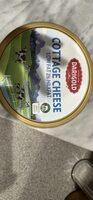
 c NOVA 4
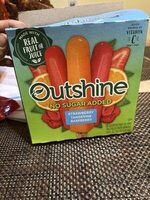
  c NOVA 4
  a NOVA 4
  a NOVA 4
 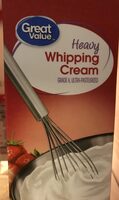 d NOVA 4
 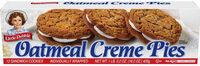 e NOVA 4
  b NOVA 4
  d NOVA 4
  d NOVA 4
  d NOVA 4
 Polysorbate 80-free alternatives
Popular products from the same categories that don't list Polysorbate 80 and score Nutri-Score A–C.
 c NOVA 4
  c NOVA 4
  c NOVA 4
  a NOVA 4
  c NOVA 4
 How to spot Polysorbate 80 on a label
Look for any of these names in the ingredient list:
Related additives
Frequently asked questions
Is polysorbate 80 bad for your gut?
In mice, yes — a 2015 Nature study found that polysorbate 80 in drinking water thinned the gut's mucus layer, let bacteria move closer to the intestinal wall and produced low-grade inflammation, with worse colitis in predisposed animals. Whether this happens in people at the amounts found in food has not been established.
Is polysorbate 80 banned in Europe?
No. It is permitted in the EU as E433, with a group daily limit of 25 mg per kg of body weight covering all five polysorbates.
How much polysorbate 80 is safe per day?
The group ADI is 25 mg per kg of body weight: about 750 mg for a 30 kg (66 lb) child and 1,750 mg for a 70 kg (154 lb) adult. EFSA estimated that toddlers at the high end of consumption reach about 24.5 mg/kg — close to the limit.
Does polysorbate 80 cause cancer?
No regulatory body classifies it as a carcinogen. In the large French NutriNet-Santé cohort, polysorbate 80 was not among the emulsifiers associated with cancer risk, although two others were.
Is polysorbate 80 the same as the one in vaccines?
It is the same compound, often called Tween 80, used as a stabilizer in some injectable medicines. The amounts in a vaccine dose are far smaller than a serving of ice cream delivers, and the food and medical uses are regulated separately.
Is polysorbate 80 vegan?
Usually. It is made from sorbitol and oleic acid, which is normally plant-derived, but oleic acid can also come from animal fat. Manufacturers do not always state the source, so strict vegans may want to ask.
What foods contain polysorbate 80?
Most often ice cream and frozen desserts, dressings and sauces, whipped toppings, shortenings and oils, pickles and some supplements. See the products and categories above for what is in our database.
Sources & references
- 21 CFR 172.840 — Polysorbate 80
- EFSA (2015). Scientific Opinion on the re-evaluation of polyoxyethylene sorbitan monolaurate (E 432) … and tristearate (E 436) as food additives. EFSA Journal 13(7):4152
- JECFA — Polysorbate 80: evaluations and group ADI (WHO database)
- Chassaing B. et al. (2015). Dietary emulsifiers impact the mouse gut microbiota promoting colitis and metabolic syndrome. Nature 519:92–96
- Sellem L. et al. (2024). Food additive emulsifiers and cancer risk: results from the French prospective NutriNet-Santé cohort. PLOS Medicine 21(2):e1004338
- U.S. FDA — List of Select Chemicals in the Food Supply Under FDA Review
Product data: Open Food Facts (ODbL), updated daily. Additive information is for general education and is not medical advice. Always check the package label. Our methodology.