
Thai Red Curry vs Bhujia Sev
Overall, Bhujia Sev has the better nutritional profile on the measures we compare. It wins on 4 of our comparison points versus 3.
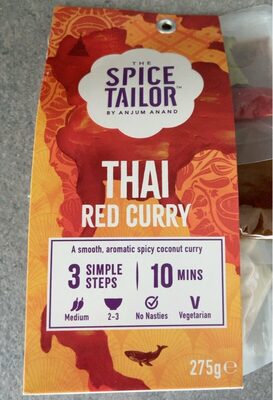
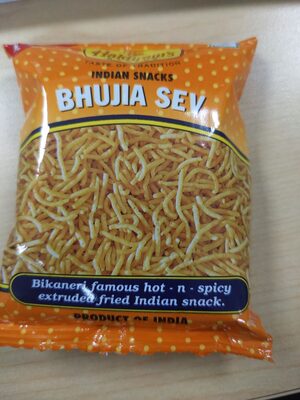
Nutrition per 100 g
| Nutrient | Thai Red Curry | Bhujia Sev |
|---|---|---|
| Nutri-Score | — | — |
| NOVA group | 4 | 3 |
| Calories | 163 kcal | 600 kcal |
| Fat | 14.1 g | 43.5 g |
| Saturated fat | 11.5 g | 11.5 g |
| Sugars | 4.5 g | 0 g |
| Salt | 1.6 g | 1.9 g |
| Fiber | 3.4 g | 4.8 g |
| Protein | 2.2 g | 12.9 g |
| Additives | 1 | 0 |
| Allergens | Gluten, Soybeans | None listed |
Green = better value for that nutrient (less sugar, fat, salt and calories; more fiber and protein).
Key differences
- Thai Red Curry has 73% fewer calories (163 kcal vs 600 kcal).
- Thai Red Curry has 68% less fat (14.1 g vs 43.5 g).
- Bhujia Sev has no sugar, while Thai Red Curry has 4.5 g.
- Thai Red Curry has 19% less salt (1.6 g vs 1.9 g).
- Bhujia Sev has 29% more fiber (4.8 g vs 3.4 g).
- Bhujia Sev has 83% more protein (12.9 g vs 2.2 g).
- Bhujia Sev is less processed (lower NOVA group).
- Only Thai Red Curry lists: Gluten, Soybeans.
Ingredients
Thai Red Curry
Coconut Cream (44%), Water, Garlic, Lemongrass (2%), Sunflower Oil, Raw Sugar, Galangal Root (1%), Sweet Basil (1%), Salt, Dry Spices, Kaffir Lime Leaves, Sugar, Coriander, Soy Sauce (Water, SOYABEANS, WHEAT, Salt), Rice Flour, Shallot Powder, Paprika Oleoresin.
Bhujia Sev
Tepary Beans Flour, Refined Cotton Seed Oil, Bengal Gram Flour, Edible Common Salt, Red Chilli Powder, Clove Powder, Black Pepper, Dried Ginger Powder, Cardamom, Bay Leaf, Nutmeg & Cinnamon.
FAQ
Which is healthier: Thai Red Curry or Bhujia Sev?
Overall, Bhujia Sev has the better nutritional profile on the measures we compare. We compare Nutri-Score, processing level and seven nutrients per 100 g. Your own needs (for example low sugar or high protein) may make a different choice better for you.
Which has fewer calories?
Thai Red Curry has fewer calories: 163 kcal versus 600 kcal per 100 g.
Which has less sugar?
Bhujia Sev has less sugar: 0 g versus 4.5 g per 100 g.