
Sweet and Sour vs Japanese Style Katsu Curry Rice
Neither product is clearly better overall — it depends on what matters most to you.
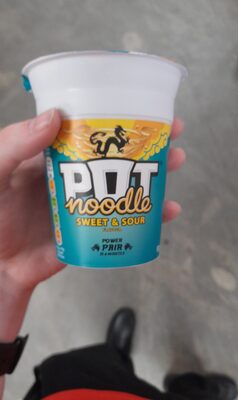
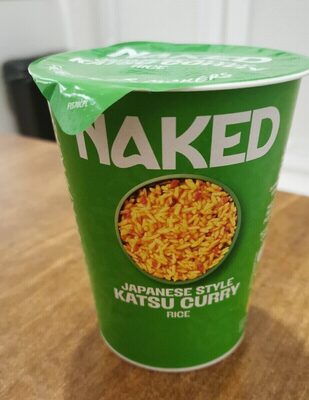
Nutrition per 100 g
| Nutrient | Sweet and Sour | Japanese Style Katsu Curry R... |
|---|---|---|
| Nutri-Score | b | d |
| NOVA group | 4 | 4 |
| Calories | 103 kcal | 135 kcal |
| Fat | 3.8 g | 0.3 g |
| Saturated fat | 0.4 g | 0.2 g |
| Sugars | 3 g | 1.8 g |
| Salt | 0.4 g | 0.8 g |
| Fiber | 0.6 g | 1 g |
| Protein | 1.7 g | 2.9 g |
| Additives | 10 | 0 |
| Allergens | Gluten, Soybeans | Celery |
Green = better value for that nutrient (less sugar, fat, salt and calories; more fiber and protein).
Key differences
- Sweet and Sour has 24% fewer calories (103 kcal vs 135 kcal).
- Japanese Style Katsu Curry Rice has 92% less fat (0.3 g vs 3.8 g).
- Japanese Style Katsu Curry Rice has 41% less sugar (1.8 g vs 3 g).
- Sweet and Sour has 57% less salt (0.4 g vs 0.8 g).
- Japanese Style Katsu Curry Rice has 37% more fiber (1 g vs 0.6 g).
- Japanese Style Katsu Curry Rice has 41% more protein (2.9 g vs 1.7 g).
- Sweet and Sour has the better Nutri-Score.
- Only Sweet and Sour lists: Gluten, Soybeans.
- Only Japanese Style Katsu Curry Rice lists: Celery.
Ingredients
Sweet and Sour
sauce and vegetables: water, vegetables (12%) ingredients (after preparation) noodles: noodles (52%) [wheat flour, palm fat, salf, fiming agents (potassium carbonate, sodium carbonate). malt extract, söybeans, wheat flour), lemon juice (water, salt, sugar, barley malt vinegar, barley sachet: sweet& sour sauce (1.3%) [water, sugar, barley malt vinegar, tomato puree, modified com starch, salt, onions, acid (citric acid), soy sauce may contain milk, egg, celery and mustard. best before end: see date on lid/side (monosodium glutamate, disodium inosinate, disodium =o guanylate), salt, açidity regulator (sodium diacetate), [red pepper, carrot (4%), peas, tomato powder, onion powder, sugar, potato starch, maltodextrin, apple wheat), garlic, stabiliser (calcium phosphates). ted pepper, carrot (4%), peas, tomato powder, onion powder, acids (citric acid, tartaric acid), flavour enhancers quanylate), salt, acidity requlator (sodium diacetate, hovourings, palm fat, spices, soy sauce (soybeans, (water, salt, sugar, barley malt vinegar, concentrate, ginger extract). www.potnoodle.com 000
Japanese Style Katsu Curry Rice
dried rice, potato starch, natural flavourings (celery), palm oil, maltodextrin, sugar, garlic powder, curry powder (2%) [coriander, turmeric, salt, pimento, ginger, fenugreek, garlic powder, black pepper, cumin, red pepper, bay), ulon powder, carrof powder, carrot, garlic, dried chicken, garam masala [coriander, cinnamon, garlic powder, black cardamon, ginger, pimento, clove, cumin, black pepper, turmeric, rapeseed oil, gren cardamon, cayenne pepper, spice extracts], ground bay, allergy advice: for allergens see ingredients in bold, nutrition information: typical values (as consumed) per pot (258g)
FAQ
Which is healthier: Sweet and Sour or Japanese Style Katsu Curry Rice?
Neither product is clearly better overall — it depends on what matters most to you. We compare Nutri-Score, processing level and seven nutrients per 100 g. Your own needs (for example low sugar or high protein) may make a different choice better for you.
Which has fewer calories?
Sweet and Sour has fewer calories: 103 kcal versus 135 kcal per 100 g.
Which has less sugar?
Japanese Style Katsu Curry Rice has less sugar: 1.8 g versus 3 g per 100 g.