
Roggenvollkornmehl vs Wholemeal Rye Flour imp
Overall, Roggenvollkornmehl has the better nutritional profile on the measures we compare. It wins on 1 of our comparison points versus 0.
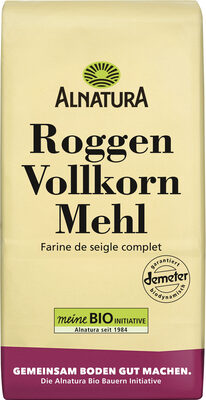
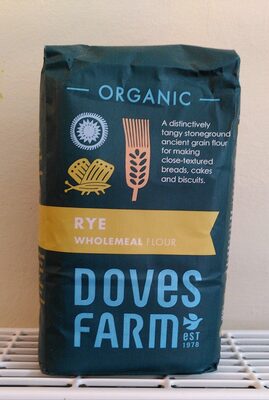
Nutrition per 100 g
| Nutrient | Roggenvollkornmehl | Wholemeal Rye Flour imp |
|---|---|---|
| Nutri-Score | a | a |
| NOVA group | — | 1 |
| Calories | 325 kcal | 330 kcal |
| Fat | 1.7 g | 1.6 g |
| Saturated fat | 0.2 g | 0.3 g |
| Sugars | 1.1 g | 1.2 g |
| Salt | 0 g | 0 g |
| Fiber | 14 g | 14 g |
| Protein | 8.4 g | 6.3 g |
| Additives | 0 | 0 |
| Allergens | Gluten | Gluten |
Green = better value for that nutrient (less sugar, fat, salt and calories; more fiber and protein).
Key differences
- Roggenvollkornmehl has 25% more protein (8.4 g vs 6.3 g).
Ingredients
Roggenvollkornmehl
ROGGENVOLLKORNMEHL* *aus Demeter Bio-Landbau Kann Spuren von Soja, Milch, Mandel, Nüssen, Sellerie und Sesam enthalten.
Wholemeal Rye Flour imp
rye flour* (contains GLUTEN Allergy advice: see ingredients in bold. Ingredients from more than one country. Milled in the UK *Organic produce.
FAQ
Which is healthier: Roggenvollkornmehl or Wholemeal Rye Flour imp?
Overall, Roggenvollkornmehl has the better nutritional profile on the measures we compare. We compare Nutri-Score, processing level and seven nutrients per 100 g. Your own needs (for example low sugar or high protein) may make a different choice better for you.
Which has fewer calories?
Roggenvollkornmehl has fewer calories: 325 kcal versus 330 kcal per 100 g.
Which has less sugar?
Roggenvollkornmehl has less sugar: 1.1 g versus 1.2 g per 100 g.