
Protein+ Cellentani vs Konjac spaghetti Happy creamy epinard
Overall, Protein+ Cellentani has the better nutritional profile on the measures we compare. It wins on 7 of our comparison points versus 1.
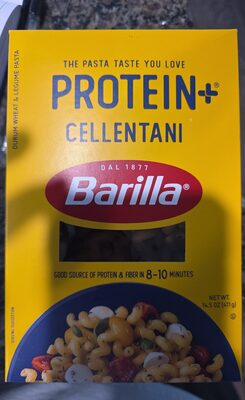
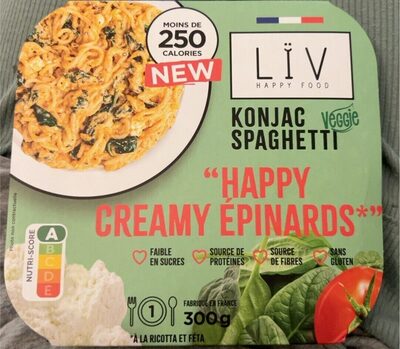
Nutrition per 100 g
| Nutrient | Protein+ Cellentani | Konjac spaghetti Happy cream... |
|---|---|---|
| Nutri-Score | a | c |
| NOVA group | 3 | — |
| Calories | 240 kcal | 74 kcal |
| Fat | 1.8 g | 3.2 g |
| Saturated fat | 0 g | 1.3 g |
| Sugars | 2 g | 2 g |
| Salt | 0 g | 0.6 g |
| Fiber | 5 g | 2 g |
| Protein | 17.9 g | 2.5 g |
| Additives | 0 | 0 |
| Allergens | Gluten | None listed |
Green = better value for that nutrient (less sugar, fat, salt and calories; more fiber and protein).
Key differences
- Konjac spaghetti Happy creamy epinard has 69% fewer calories (74 kcal vs 240 kcal).
- Protein+ Cellentani has 44% less fat (1.8 g vs 3.2 g).
- Protein+ Cellentani has no saturated fat, while Konjac spaghetti Happy creamy epinard has 1.3 g.
- Protein+ Cellentani has no salt, while Konjac spaghetti Happy creamy epinard has 0.6 g.
- Protein+ Cellentani has 60% more fiber (5 g vs 2 g).
- Protein+ Cellentani has 86% more protein (17.9 g vs 2.5 g).
- Protein+ Cellentani has the better Nutri-Score.
- Only Protein+ Cellentani lists: Gluten.
Ingredients
Protein+ Cellentani
Semolina (wheat), durum wheat flour, lentil flour, pea protein, chickpea flour, vitamin B3 (niacin), iron (ferrous sulfate), vitamin B1 (thiamine mononitrate), vitamin B2 (riboflavin), folic acid.
Konjac spaghetti Happy creamy epinard
Not available.
FAQ
Which is healthier: Protein+ Cellentani or Konjac spaghetti Happy creamy epinard?
Overall, Protein+ Cellentani has the better nutritional profile on the measures we compare. We compare Nutri-Score, processing level and seven nutrients per 100 g. Your own needs (for example low sugar or high protein) may make a different choice better for you.
Which has fewer calories?
Konjac spaghetti Happy creamy epinard has fewer calories: 74 kcal versus 240 kcal per 100 g.
Which has less sugar?
Protein+ Cellentani has less sugar: 2 g versus 2 g per 100 g.