
Pasztet klasyczny sojowy vs Paté de tofu brusinky
Neither product is clearly better overall — it depends on what matters most to you.
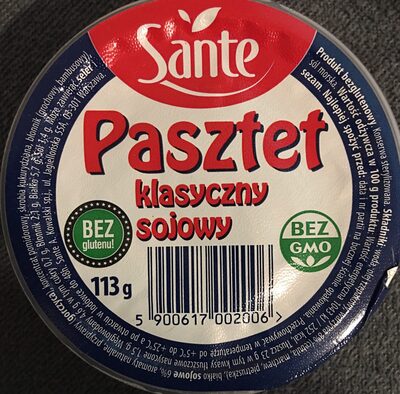
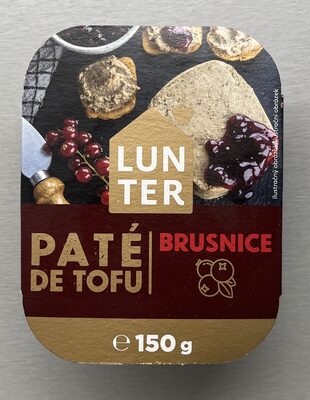
Nutrition per 100 g
| Nutrient | Pasztet klasyczny sojowy | Paté de tofu brusinky |
|---|---|---|
| Nutri-Score | c | c |
| NOVA group | 4 | 4 |
| Calories | 252 kcal | 275 kcal |
| Fat | 23 g | 23 g |
| Saturated fat | 1.5 g | 1.9 g |
| Sugars | 0.7 g | 5 g |
| Salt | 1.4 g | 1.3 g |
| Fiber | 2.1 g | 3.4 g |
| Protein | 5.7 g | 6.8 g |
| Additives | 0 | 0 |
| Allergens | Mustard, Soybeans | Gluten, Soybeans |
Green = better value for that nutrient (less sugar, fat, salt and calories; more fiber and protein).
Key differences
- Pasztet klasyczny sojowy has 21% less saturated fat (1.5 g vs 1.9 g).
- Pasztet klasyczny sojowy has 86% less sugar (0.7 g vs 5 g).
- Paté de tofu brusinky has 38% more fiber (3.4 g vs 2.1 g).
- Paté de tofu brusinky has 16% more protein (6.8 g vs 5.7 g).
- Only Pasztet klasyczny sojowy lists: Mustard.
- Only Paté de tofu brusinky lists: Gluten.
Ingredients
Pasztet klasyczny sojowy
woda, olej rzepakowy, warzywa 8% (cebula, marchew, pietruszka), białko _sojowe_ 6%, aromaty naturalne, przyprawy (_gorczyca_), koncentrat pomidorowy, skrobia kukurydziana, błonnik grochowy, błonnik bambusowy), sól morska.
Paté de tofu brusinky
voda, Tofu 22 % (sója, voda), řepkový olej, okara (voda, sója), brusinky 6%, cibule, sójová omáčka (voda, sója, pšenice, sůl), kukuřičný škrob, sušené žampiony, miso pasta (rýže, sója, mořská sůl, fermentační kultury), droždí, hrachová vláknina, pšeničná mouka, sůl, kvasnicový extrakt, česnek, koření, bylinky, glukóza.
FAQ
Which is healthier: Pasztet klasyczny sojowy or Paté de tofu brusinky?
Neither product is clearly better overall — it depends on what matters most to you. We compare Nutri-Score, processing level and seven nutrients per 100 g. Your own needs (for example low sugar or high protein) may make a different choice better for you.
Which has fewer calories?
Pasztet klasyczny sojowy has fewer calories: 252 kcal versus 275 kcal per 100 g.
Which has less sugar?
Pasztet klasyczny sojowy has less sugar: 0.7 g versus 5 g per 100 g.