
Iglo Vissticks vs Wilde zalmfilets
Overall, Wilde zalmfilets has the better nutritional profile on the measures we compare. It wins on 5 of our comparison points versus 1.
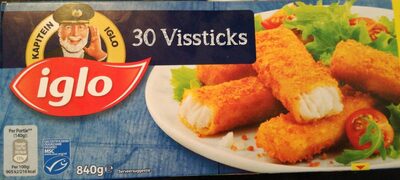
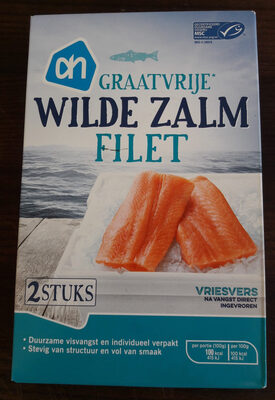
Nutrition per 100 g
| Nutrient | Iglo Vissticks | Wilde zalmfilets |
|---|---|---|
| Nutri-Score | a | a |
| NOVA group | 3 | 1 |
| Calories | 220 kcal | 99 kcal |
| Fat | 9.3 g | 2.5 g |
| Saturated fat | 0.7 g | 0.5 g |
| Sugars | 1.1 g | 0 g |
| Salt | 0.8 g | 0.6 g |
| Fiber | 0.6 g | 0 g |
| Protein | 12.1 g | 19 g |
| Additives | 0 | 0 |
| Allergens | Fish, Gluten | Fish |
Green = better value for that nutrient (less sugar, fat, salt and calories; more fiber and protein).
Key differences
- Wilde zalmfilets has 55% fewer calories (99 kcal vs 220 kcal).
- Wilde zalmfilets has 73% less fat (2.5 g vs 9.3 g).
- Wilde zalmfilets has no sugar, while Iglo Vissticks has 1.1 g.
- Iglo Vissticks has 100% more fiber (0.6 g vs 0 g).
- Wilde zalmfilets has 36% more protein (19 g vs 12.1 g).
- Wilde zalmfilets is less processed (lower NOVA group).
- Only Iglo Vissticks lists: Gluten.
Ingredients
Iglo Vissticks
Alaska koolvis 58%, paneermeel 20% (tarwebloem, water, paprikapoeder, gist, kurkuma), koolzaadolie, water, tarwebloem, aardappelzetmeel, zout. Ondanks zorgvuldig fileren kan onbedoeld een graatje in de vis achterblijven. **Referentie-inname van een gemiddelde volwassene (8400kJ/2000 kcal). De waarden per portie worden verkregen door 140 g diepvries product (5 Vissticks) in de oven te bereiden. Een portie bevat 163 mg omega 3 % (DHA + EPA).
Wilde zalmfilets
Pacifische zalm
FAQ
Which is healthier: Iglo Vissticks or Wilde zalmfilets?
Overall, Wilde zalmfilets has the better nutritional profile on the measures we compare. We compare Nutri-Score, processing level and seven nutrients per 100 g. Your own needs (for example low sugar or high protein) may make a different choice better for you.
Which has fewer calories?
Wilde zalmfilets has fewer calories: 99 kcal versus 220 kcal per 100 g.
Which has less sugar?
Wilde zalmfilets has less sugar: 0 g versus 1.1 g per 100 g.