
ID Idly dosa batter vs Instant Rava Idly Mix
Overall, ID Idly dosa batter has the better nutritional profile on the measures we compare. It wins on 7 of our comparison points versus 1.
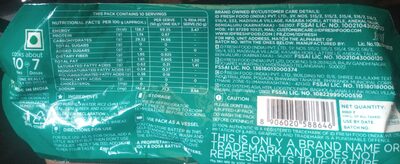
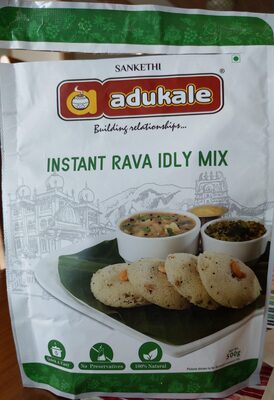
Nutrition per 100 g
| Nutrient | ID Idly dosa batter | Instant Rava Idly Mix |
|---|---|---|
| Nutri-Score | b | e |
| NOVA group | 3 | 3 |
| Calories | 139 kcal | 374 kcal |
| Fat | 1.6 g | 9 g |
| Saturated fat | 0.6 g | 3 g |
| Sugars | 0 g | 0.2 g |
| Salt | 0.4 g | 3 g |
| Fiber | 1.9 g | 1 g |
| Protein | 1.7 g | 10 g |
| Additives | 0 | 1 |
| Allergens | None listed | Gluten, Milk, Mustard, Nuts, Sesame seeds, Soybeans |
Green = better value for that nutrient (less sugar, fat, salt and calories; more fiber and protein).
Key differences
- ID Idly dosa batter has 63% fewer calories (139 kcal vs 374 kcal).
- ID Idly dosa batter has 82% less fat (1.6 g vs 9 g).
- ID Idly dosa batter has 79% less saturated fat (0.6 g vs 3 g).
- ID Idly dosa batter has 88% less salt (0.4 g vs 3 g).
- ID Idly dosa batter has 46% more fiber (1.9 g vs 1 g).
- Instant Rava Idly Mix has 83% more protein (10 g vs 1.7 g).
- ID Idly dosa batter has the better Nutri-Score.
- Only Instant Rava Idly Mix lists: Gluten, Milk, Mustard, Nuts, Sesame seeds, Soybeans.
Ingredients
ID Idly dosa batter
RO-PURIFIED WATER, RICE (34%), URAD DAL, FENUGREEK AND IODISED SALT
Instant Rava Idly Mix
Rava (81%), Refined Palm Oil, Benagal Gram Dal, Mustard, Green Chillis, Ginger, Lemon Powder, Salt, Acidity Regulator (E500), Cashew, Curry Leaves. Allergen Advice: Made in a facility that also processes Peanuts_Almonds_Cashew_Sesame Seed_Milk powder_Soya_Mustard Seed_Gluten.
FAQ
Which is healthier: ID Idly dosa batter or Instant Rava Idly Mix?
Overall, ID Idly dosa batter has the better nutritional profile on the measures we compare. We compare Nutri-Score, processing level and seven nutrients per 100 g. Your own needs (for example low sugar or high protein) may make a different choice better for you.
Which has fewer calories?
ID Idly dosa batter has fewer calories: 139 kcal versus 374 kcal per 100 g.
Which has less sugar?
ID Idly dosa batter has less sugar: 0 g versus 0.2 g per 100 g.