
Hash vs Chicken Vindaloo
Overall, Chicken Vindaloo has the better nutritional profile on the measures we compare. It wins on 6 of our comparison points versus 1.
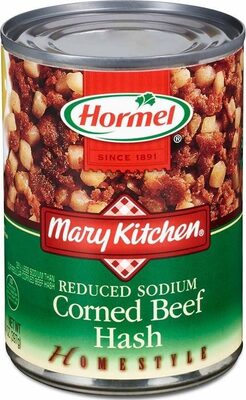
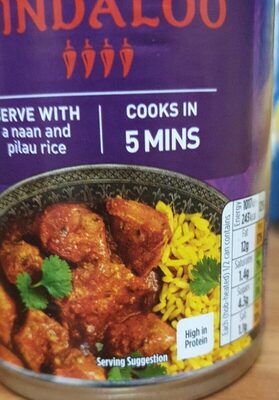
Nutrition per 100 g
| Nutrient | Hash | Chicken Vindaloo |
|---|---|---|
| Nutri-Score | c | a |
| NOVA group | 4 | 4 |
| Calories | 140 kcal | 124 kcal |
| Fat | 8.1 g | 6.2 g |
| Saturated fat | 1.1 g | 0.7 g |
| Sugars | 0.4 g | 2.2 g |
| Salt | 0.7 g | 0.5 g |
| Fiber | 0.9 g | 1.1 g |
| Protein | 7.2 g | 13 g |
| Additives | 1 | 2 |
| Allergens | Beef | None listed |
Green = better value for that nutrient (less sugar, fat, salt and calories; more fiber and protein).
Key differences
- Chicken Vindaloo has 11% fewer calories (124 kcal vs 140 kcal).
- Chicken Vindaloo has 23% less fat (6.2 g vs 8.1 g).
- Chicken Vindaloo has 35% less saturated fat (0.7 g vs 1.1 g).
- Hash has 81% less sugar (0.4 g vs 2.2 g).
- Chicken Vindaloo has 45% more protein (13 g vs 7.2 g).
- Chicken Vindaloo has the better Nutri-Score.
- Only Hash lists: Beef.
Ingredients
Hash
beef, rehydrated potatoes, water, contains 2% or less of salt, flavoring, potassium chloride, sugar, spices, sodium nitrite.
Chicken Vindaloo
Cooked Chicken Breast (35%) [Chicken Breast (99%), Salt], Tomato Purée (15%), Onions (13%), Water, Tomatoes (10%), Rapeseed Oil, Tomato Juice, Spirit Vinegar, Modified Maize Starch, Coriander Leaf, Garlic Purée, Sugar, Coriander Powder, Cumin, Chilli Powder, Salt, Paprika Powder, Turmeric, Cardamom, Black Pepper, Fennel, Ginger Powder, Garlic Powder, Mace, Cassia, Clove Powder, Acidity Regulator (Citric Acid), Colour (Paprika Extract).
FAQ
Which is healthier: Hash or Chicken Vindaloo?
Overall, Chicken Vindaloo has the better nutritional profile on the measures we compare. We compare Nutri-Score, processing level and seven nutrients per 100 g. Your own needs (for example low sugar or high protein) may make a different choice better for you.
Which has fewer calories?
Chicken Vindaloo has fewer calories: 124 kcal versus 140 kcal per 100 g.
Which has less sugar?
Hash has less sugar: 0.4 g versus 2.2 g per 100 g.