
Comparison
Delpeyrat vs Saumon Bio
Neither product is clearly better overall — it depends on what matters most to you.
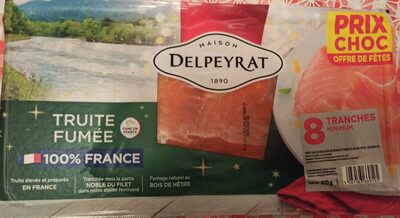
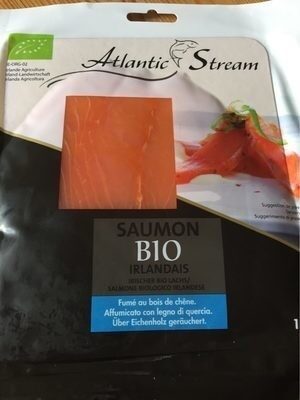
Nutrition per 100 g
| Nutrient | Delpeyrat | Saumon Bio |
|---|---|---|
| Nutri-Score | e | d |
| NOVA group | — | — |
| Calories | 167 kcal | 195 kcal |
| Fat | 8.3 g | 11.4 g |
| Saturated fat | 1.6 g | 2.5 g |
| Sugars | 0 g | 0.1 g |
| Salt | 3.3 g | 2.6 g |
| Fiber | — | 0 g |
| Protein | 23 g | 23.4 g |
| Additives | 0 | 0 |
| Allergens | None listed | Fish |
Green = better value for that nutrient (less sugar, fat, salt and calories; more fiber and protein).
Key differences
- Delpeyrat has 14% fewer calories (167 kcal vs 195 kcal).
- Delpeyrat has 27% less fat (8.3 g vs 11.4 g).
- Delpeyrat has 36% less saturated fat (1.6 g vs 2.5 g).
- Saumon Bio has 21% less salt (2.6 g vs 3.3 g).
- Saumon Bio has the better Nutri-Score.
- Only Saumon Bio lists: Fish.
Ingredients
Delpeyrat
Not available.
Saumon Bio
Saumon/Lachs/Salmone(*), (salmo salar), (97%) (*) issu de l'agriculture biologique Attention: Peut contenir des arêtes. Allergène / Poisson
FAQ
Which is healthier: Delpeyrat or Saumon Bio?
Neither product is clearly better overall — it depends on what matters most to you. We compare Nutri-Score, processing level and seven nutrients per 100 g. Your own needs (for example low sugar or high protein) may make a different choice better for you.
Which has fewer calories?
Delpeyrat has fewer calories: 167 kcal versus 195 kcal per 100 g.
Which has less sugar?
Delpeyrat has less sugar: 0 g versus 0.1 g per 100 g.
More comparisons
Saumon Bio vs A Lightly Smoked Haddock...
Delpeyrat vs A Lightly Smoked Haddock...
Norwegische Lachs Forell... vs Saumon Bio
Delpeyrat vs Norwegische Lachs Forell...
Marinated salmon vs Saumon Bio
Filets de haddock fumés vs Saumon Bio
Delpeyrat vs Marinated salmon
Delpeyrat vs Filets de haddock fumés