
Chow mein with dried seaweed laver vs Yoppoki
Overall, Yoppoki has the better nutritional profile on the measures we compare. It wins on 7 of our comparison points versus 1.
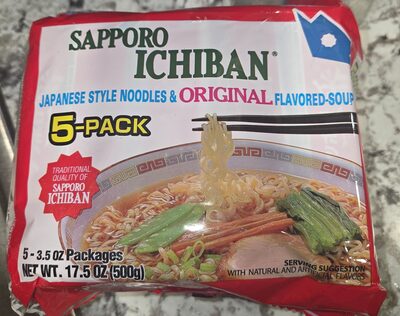
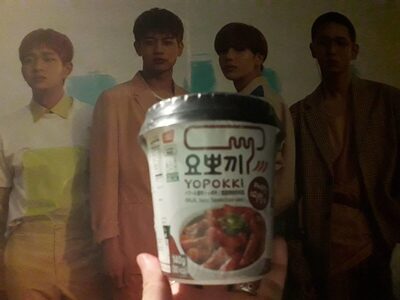
Nutrition per 100 g
| Nutrient | Chow mein with dried seaweed... | Yoppoki |
|---|---|---|
| Nutri-Score | e | a |
| NOVA group | 4 | 4 |
| Calories | 500 kcal | 42 kcal |
| Fat | 24.5 g | 0.7 g |
| Saturated fat | 11.8 g | 0.3 g |
| Sugars | 3.9 g | 3 g |
| Salt | 4.7 g | 0 g |
| Fiber | 2.9 g | — |
| Protein | 8.8 g | 6 g |
| Additives | 14 | 2 |
| Allergens | Gluten, Soybeans, Sulphur dioxide and sulphites | Gluten, Soybeans |
Green = better value for that nutrient (less sugar, fat, salt and calories; more fiber and protein).
Key differences
- Yoppoki has 92% fewer calories (42 kcal vs 500 kcal).
- Yoppoki has 97% less fat (0.7 g vs 24.5 g).
- Yoppoki has 97% less saturated fat (0.3 g vs 11.8 g).
- Yoppoki has 23% less sugar (3 g vs 3.9 g).
- Yoppoki has no salt, while Chow mein with dried seaweed laver has 4.7 g.
- Chow mein with dried seaweed laver has 32% more protein (8.8 g vs 6 g).
- Yoppoki has the better Nutri-Score.
- Only Chow mein with dried seaweed laver lists: Sulphur dioxide and sulphites.
Ingredients
Chow mein with dried seaweed laver
Oriental noodles: enriched wheat flour (wheat flour, niacin, reduced iron, thiamine mononitrate, riboflavin, folic acid), palm oil (tbhq and citric acid added to protect flavor), salt, sodium carbonate, sugar, monosodium glutamate, tocopherols, potassium carbonate. powdered seasoning: sugar, salt, caramel color (contains sulfites), monosodium glutamate, worcestershire sauce powder ([distilled vinegar, molasses, corn syrup, salt, caramel color, garlic powder, sugar, spices, tamarind, natural flavor and sulfiting agents], maltodextrin, silicon dioxide), vinegar powder (modified corn starch, maltodextrin, vinegar solids), maltodextrin, soy sauce powder (soy sauce [water, wheat, soybeans, salt], maltodextrin, salt), sodium diacetate, citric acid, tomato powder, spices, calcium carbonate, corn oil, corn starch, annatto (for color), disodium inosinate, disodium guanylate, disodium succinate, artificial flavor. dried seaweed: laver.
Yoppoki
soning powder to the cup. 글꼴을 넣고 저어주세요. ked line inside 깨닫고, 전자레인지에서 2분 400W)동안 조리해주세요. the cup and 2min (1,000W), Microwave 수있도록 제어 드세요! your meal Nutrition F 1 serving per container Facts Commodity: Halal Spicy Topokki (E330)]/Seasoning powder[sugar, seasoning Serving size ngredients: Rice cakes[rice, salt, citric acid L-glutamate, onion powder, garlic powder, Calories 310 base(red pepper powder, monosodiurn Amount per serving wheat flour), red pepper paste powder (maltodextrin, red pepper powder, sugar, wheat flow salt), salt, seasoning complex, 1 cup (120) Total Fat 3.5g Saturated Fat 2g 96 Daffy Mat corn starcoleoresin paprika, chilli extract, Cholesterol less than 5mg citric acid-tocopherol concentrate] Allergy Notice: wheat, soybean • Storage: Please avoid direct sun and store in a cool and dry place . Manufacturer: Young Fong Co., Ltd./ 31 Total Carbohydrates 669 24% Dietary Fiber 4g Total Sugars 9g Includes 9g Added Sugars Protein 6g Vitamin D 0mcg 64 seongseogongdanbuk-ro, Dalseo-gu, Calcium 10mg Daegu, 42712 · Country of Origin: South Korea . . ·
FAQ
Which is healthier: Chow mein with dried seaweed laver or Yoppoki?
Overall, Yoppoki has the better nutritional profile on the measures we compare. We compare Nutri-Score, processing level and seven nutrients per 100 g. Your own needs (for example low sugar or high protein) may make a different choice better for you.
Which has fewer calories?
Yoppoki has fewer calories: 42 kcal versus 500 kcal per 100 g.
Which has less sugar?
Yoppoki has less sugar: 3 g versus 3.9 g per 100 g.