
Brat Olivenöl vs Olive Oil
Neither product is clearly better overall — it depends on what matters most to you.
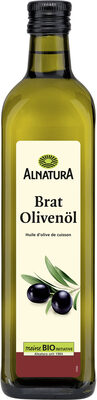
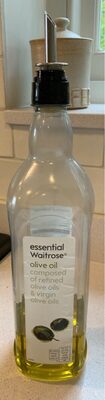
Nutrition per 100 ml
| Nutrient | Brat Olivenöl | Olive Oil |
|---|---|---|
| Nutri-Score | b | b |
| NOVA group | 2 | — |
| Calories | 828 kcal | 823 kcal |
| Fat | 92 g | 91.4 g |
| Saturated fat | 15 g | 13.1 g |
| Sugars | 0.5 g | 0 g |
| Salt | 0 g | 0 g |
| Fiber | 0.5 g | 0 g |
| Protein | 0.5 g | 0 g |
| Additives | 0 | 0 |
| Allergens | Sesame seeds | None listed |
Green = better value for that nutrient (less sugar, fat, salt and calories; more fiber and protein).
Key differences
- Olive Oil has 13% less saturated fat (13.1 g vs 15 g).
- Olive Oil has no sugar, while Brat Olivenöl has 0.5 g.
- Brat Olivenöl has 100% more fiber (0.5 g vs 0 g).
- Brat Olivenöl has 100% more protein (0.5 g vs 0 g).
- Only Brat Olivenöl lists: Sesame seeds.
Ingredients
Brat Olivenöl
Olivenöl* raffiniert 80 %, Olivenöl* nativ 20 % *aus biologischer Landwirtschaft. Kann Spuren von Erdnuss, Mandel, Nüssen und Sesam enthalten.
Olive Oil
Olive oil composed of refined olive oils and virgin olive oils. Oil comprising exclusively olive oils that have undergone refining and oils obtained directly from olives.
FAQ
Which is healthier: Brat Olivenöl or Olive Oil?
Neither product is clearly better overall — it depends on what matters most to you. We compare Nutri-Score, processing level and seven nutrients per 100 g. Your own needs (for example low sugar or high protein) may make a different choice better for you.
Which has fewer calories?
Olive Oil has fewer calories: 823 kcal versus 828 kcal per 100 g.
Which has less sugar?
Olive Oil has less sugar: 0 g versus 0.5 g per 100 g.