
Bakarwadi vs Mung Dal
Overall, Mung Dal has the better nutritional profile on the measures we compare. It wins on 6 of our comparison points versus 0.
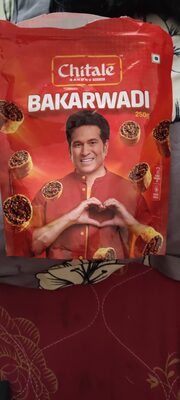
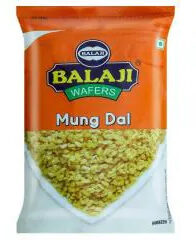
Nutrition per 100 g
| Nutrient | Bakarwadi | Mung Dal |
|---|---|---|
| Nutri-Score | e | d |
| NOVA group | 3 | — |
| Calories | 544 kcal | 504 kcal |
| Fat | 36 g | 17.5 g |
| Saturated fat | 8 g | 8 g |
| Sugars | 9 g | 1 g |
| Salt | 2 g | 1 g |
| Protein | 9 g | 22.7 g |
| Additives | 0 | 0 |
| Allergens | Gluten, Sesame seeds | None listed |
Green = better value for that nutrient (less sugar, fat, salt and calories; more fiber and protein).
Key differences
- Mung Dal has 51% less fat (17.5 g vs 36 g).
- Mung Dal has 89% less sugar (1 g vs 9 g).
- Mung Dal has 53% less salt (1 g vs 2 g).
- Mung Dal has 60% more protein (22.7 g vs 9 g).
- Mung Dal has the better Nutri-Score.
- Only Bakarwadi lists: Gluten, Sesame seeds.
Ingredients
Bakarwadi
Refined Wheat Flour (Maida), Bengal Gram Flour, Refined Groundnut Oil, Sugar Syrup (Refined Sugar, Water), Refined Sugar, Green Chilli, lodised Salt, Coriander Leaves, Grated Desiccated Coconut, Spices (Red Chilli Powder, Cumin Seed Powder, Coriander Seed Powder, Asafoetida), Tamarind Concentrate, Coriander Leaf Extract, Sesame Seeds. A S E
Mung Dal
INGREDIENTS: MUNG BEAN SPLITS (85%), EDIBLE VEGETABLE OIL (PALMOLEIN, RICE BRAN), EDIBLE COMMON SALT, BLACK SALT.
FAQ
Which is healthier: Bakarwadi or Mung Dal?
Overall, Mung Dal has the better nutritional profile on the measures we compare. We compare Nutri-Score, processing level and seven nutrients per 100 g. Your own needs (for example low sugar or high protein) may make a different choice better for you.
Which has fewer calories?
Mung Dal has fewer calories: 504 kcal versus 544 kcal per 100 g.
Which has less sugar?
Mung Dal has less sugar: 1 g versus 9 g per 100 g.