
2 Plain Naans vs Naan Breads
Overall, 2 Plain Naans has the better nutritional profile on the measures we compare. It wins on 3 of our comparison points versus 2.

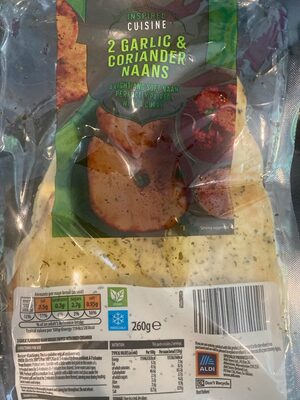
Nutrition per 100 g
| Nutrient | 2 Plain Naans | Naan Breads |
|---|---|---|
| Nutri-Score | — | b |
| NOVA group | 4 | 4 |
| Calories | 284 kcal | 250 kcal |
| Fat | 4.4 g | 5.7 g |
| Saturated fat | 0.9 g | 0.5 g |
| Sugars | 1.8 g | 2.1 g |
| Salt | 0.1 g | 0.7 g |
| Fiber | 3.4 g | 3.2 g |
| Protein | 7.8 g | 7.6 g |
| Additives | 7 | 3 |
| Allergens | Gluten | Gluten |
Green = better value for that nutrient (less sugar, fat, salt and calories; more fiber and protein).
Key differences
- Naan Breads has 12% fewer calories (250 kcal vs 284 kcal).
- 2 Plain Naans has 23% less fat (4.4 g vs 5.7 g).
- Naan Breads has 44% less saturated fat (0.5 g vs 0.9 g).
- 2 Plain Naans has 14% less sugar (1.8 g vs 2.1 g).
- 2 Plain Naans has 89% less salt (0.1 g vs 0.7 g).
Ingredients
2 Plain Naans
Fortified Wheat Flour (Wheat Flour, Calcium Carbonate, Niacin, Iron, Thiamin), Water, Rapeseed Oil, Yeast, Humectant: Glycerol; Spirit Vinegar, Raising Agents: Disodium Diphosphate, Sodium Hydrogen Carbonate, Calcium Phosphate; Vegetable Ghee (Palm Oil, Rapeseed Oil), Black Onion Seeds, Salt, Acidity Regulator: Citric Acid - Allergy advi Dronionate.
Naan Breads
wheat flour (wheat flour, calcium carbonate, niacin, iron, thiamin), water, rapeseed oil, yeast, spirit vinegar, raising agents: diphosphates, sodium carbonates, calcium phosphate, dried coriander, kalonji seeds, salt, preservative galdium propionate, natural flavouring
FAQ
Which is healthier: 2 Plain Naans or Naan Breads?
Overall, 2 Plain Naans has the better nutritional profile on the measures we compare. We compare Nutri-Score, processing level and seven nutrients per 100 g. Your own needs (for example low sugar or high protein) may make a different choice better for you.
Which has fewer calories?
Naan Breads has fewer calories: 250 kcal versus 284 kcal per 100 g.
Which has less sugar?
2 Plain Naans has less sugar: 1.8 g versus 2.1 g per 100 g.