
Red 3 (Erythrosine, E127)
Updated September 21, 2026
Red 3, or erythrosine, is a synthetic cherry-pink dye that FDA banned from food in January 2025 — manufacturers must reformulate by January 15, 2027. The ban was legally required because the dye caused thyroid tumors in male rats, even though FDA itself said that mechanism has limited relevance to humans and EFSA reached the same conclusion. It is the only US food dye currently under a federal ban.
Quick facts
- Also known as
- FD&C Red No. 3, Erythrosine, E127
- E-number
- E127
- Function
- Colors
- US status
- Authorization revoked January 15, 2025; food must be reformulated by January 15, 2027 and ingested drugs by January 18, 2028
- EU status
- Permitted as E 127 but heavily restricted — in practice only cocktail and candied cherries
- Acceptable daily intake
- 0.1 mg per kg of body weight per day (EFSA, 2011)
- Found in
- 5,921 products (5,575 sold in the US)
- Foodmetria concern level
- High concern How we rate additives
What is Red 3?
Red 3 is a synthetic dye — chemically an iodinated xanthene, not an azo dye like Red 40 — that produces a distinctive bluish cherry-pink. In the US it is FD&C Red No. 3; in Europe it is erythrosine (E 127).
It is the color of maraschino cherries, and that is not a coincidence: its particular shade and its stability in acidic syrup made it hard to replace in that one product. Beyond cherries it has turned up in candy corn and other seasonal candy, frostings and decorating gels, strawberry-flavored milk and milkshakes, some baked goods and fruit cocktail.
Unlike most certified colors, Red 3 has never been approved for external drug and cosmetic use in the US — the food listing was the last one standing, and that is now being withdrawn too.
Why is Red 3 used in food?
Manufacturers used Red 3 because nothing else gave quite the same bright, slightly blue-toned pink, and because it holds that shade in acidic, sugary, shelf-stable products where other pinks turn brown or fade. It was never as widely used as Red 40 — in most products Red 40 is the cheaper and more versatile choice — which is one reason the phase-out has gone relatively smoothly.
Replacements now in use include beet juice concentrate, carmine (not vegan), lycopene, purple sweet potato and radish concentrates, and, for some applications, the newly approved natural-source colors FDA has been clearing since 2025.
Is Red 3 safe? What the research says
What happened, and why. On January 15, 2025, FDA issued an order revoking the authorization for Red 3 in food and ingested drugs. The legal basis is the Delaney Clause of the Federal Food, Drug, and Cosmetic Act, which says that a color additive is deemed unsafe if it is found to induce cancer when ingested by humans or animals. Red 3 induces thyroid tumors in male rats, so the clause applied.
The part that usually gets left out. In the same Federal Register notice, FDA stated that the rat findings are of limited relevance to humans, and that there is no conclusive clinical evidence that elevated thyroid-stimulating hormone — the mechanism behind the rat tumors — promotes or causes thyroid cancer in people. FDA banned the dye because the Delaney Clause removes its discretion once an animal cancer finding exists, not because it concluded Red 3 causes cancer in humans.
EFSA reached the same scientific conclusion. In its 2011 re-evaluation, EFSA kept the acceptable daily intake at 0.1 mg per kg of body weight and concluded that the rodent thyroid tumors are secondary to effects on thyroid function rather than genotoxic, and may be considered of limited relevance to humans. EFSA also estimated typical European exposure at roughly 0.003 mg/kg per day, with high consumers around 0.01 mg/kg — far below the ADI, because the dye's permitted uses are so narrow there.
How to read this. Two regulators looked at the same data and agreed on the science; they reached different regulatory outcomes because they operate under different laws. That is worth knowing before concluding that the ban implies a discovered human danger. What it does mean, practically, is that Red 3 will be gone from US food, and that people who want to avoid it now have a deadline to count on.
Other research. Red 3 was also among the dyes reviewed in California's 2021 OEHHA assessment of synthetic dyes and neurobehavioral effects in children, which concluded that synthetic food dyes can cause or worsen such problems in some children. It was not one of the dyes tested in the 2007 Southampton study.
Red 3 regulation: US vs EU
| Region | Status |
|---|---|
| United States | Authorization revoked January 15, 2025 under the Delaney Clause. Compliance deadline: January 15, 2027 for food and dietary supplements, January 18, 2028 for ingested drugs. |
| California | AB 418 (California Food Safety Act) bans Red 3 statewide from January 1, 2027, alongside potassium bromate, brominated vegetable oil and propylparaben. |
| West Virginia | HB 2354 restricts Red 3 among seven dyes in school nutrition programs, in effect since August 1, 2025. |
| European Union | Permitted as E 127 but heavily restricted since the 1990s — in practice limited to cocktail and candied cherries. EFSA ADI (2011): 0.1 mg/kg body weight per day. |
| United Kingdom | Authorised as E 127 under assimilated EU rules, with the same narrow permitted uses. |
Red 3 is the one US food dye under an actual federal ban rather than a voluntary phase-out. The revocation took effect in January 2025; foods must be reformulated by January 15, 2027, and ingested drugs by January 18, 2028. In July 2025 FDA publicly encouraged manufacturers to reformulate sooner than required, and it has been approving natural-source replacement colors on an accelerated schedule — galdieria extract blue, butterfly pea flower extract and calcium phosphate in May 2025, followed by gardenia (genipin) blue.
California's AB 418 also bans Red 3 statewide from January 1, 2027, and West Virginia's HB 2354 includes it among seven dyes restricted in school nutrition programs since August 2025. Because the federal deadline arrives first in practice, the state laws mostly reinforce it. In the EU, Red 3 has been tightly restricted since the 1990s and remains permitted only in a narrow set of uses, in practice cocktail and candied cherries. Check the latest status: the January 2027 deadline is close.
Who should limit or avoid Red 3?
- Anyone who prefers to avoid it now. Until January 2027 it is still legal to sell products containing Red 3, so it remains on some labels. It must be named in the ingredient list as "Red 3" or "FD&C Red No. 3," so it is straightforward to spot.
- People who eat a lot of maraschino cherries or brightly colored candy. These are the products where Red 3 has been most concentrated, and where reformulation is still underway.
- Children sensitive to dyes. The general dye evidence, including California's 2021 review, applies here as it does to the other synthetic colors.
- People with thyroid conditions. Worth stating plainly: the rat thyroid finding is not evidence that Red 3 affects thyroid disease in humans, and neither FDA nor EFSA has said it does.
Foods that commonly contain Red 3
Share of published products in each category whose ingredient list includes Red 3.
Popular products with Red 3
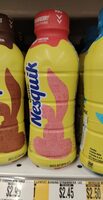 c NOVA 4
  d NOVA 4
  e NOVA 4
  NOVA 4
 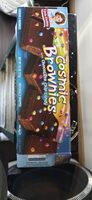 e NOVA 4
 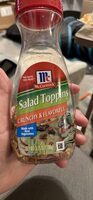 d NOVA 4
 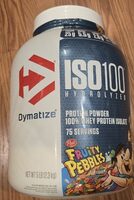 NOVA 4
 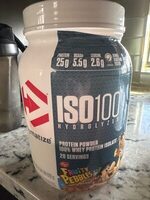 NOVA 4
 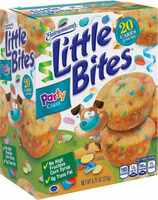 e NOVA 4
  e NOVA 4
 Red 3-free alternatives
Popular products from the same categories that don't list Red 3 and score Nutri-Score A–C.
 c NOVA 4
  c NOVA 4
 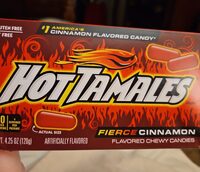 b NOVA 4
 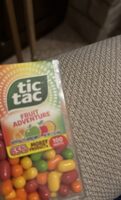 a NOVA 4
  a NOVA 4
 How to spot Red 3 on a label
Look for any of these names in the ingredient list:
Related additives
Frequently asked questions
Is Red 3 banned in the US?
Yes. FDA revoked the authorization on January 15, 2025. Food and dietary supplements must be reformulated by January 15, 2027, and ingested drugs by January 18, 2028 — so products containing it can still legally be sold until those dates.
Does Red 3 cause cancer?
It causes thyroid tumors in male rats at high doses. FDA stated in its own revocation notice that this mechanism has limited relevance to humans, and EFSA concluded the same in 2011. The ban was legally required by the Delaney Clause, which applies to any color additive that induces cancer in animals, regardless of mechanism.
If it is not a human risk, why was it banned?
Because the Delaney Clause does not allow FDA to weigh the level of risk or the mechanism. Once a color additive is found to induce cancer in animals, the law requires revocation. Other agencies, operating under laws that allow a risk assessment, kept it permitted.
Is Red 3 the same as Red 40?
No. They are chemically different dyes — Red 3 is an iodinated xanthene with a bluish pink shade, Red 40 an azo dye with an orange-red shade. Red 40 is not banned; it is part of a voluntary phase-out.
Is Red 3 banned in Europe?
Not outright, but it has been heavily restricted since the 1990s and in practice its main permitted use is cocktail and candied cherries. That is why European food rarely contains it.
How much Red 3 is safe per day?
EFSA's ADI is 0.1 mg per kg of body weight: about 3 mg for a 30 kg (66 lb) child and 7 mg for a 70 kg (154 lb) adult. EFSA estimated actual European intake at roughly a thirtieth of that.
What is replacing Red 3?
Beet juice concentrate, carmine (not vegan), lycopene, and purple sweet potato or radish concentrates. FDA has also been approving new natural-source colors on an accelerated schedule since 2025, including galdieria extract blue, butterfly pea flower extract, calcium phosphate and gardenia (genipin) blue.
Sources & references
- U.S. FDA — FD&C Red No. 3
- Federal Register (January 16, 2025). Color Additive Petition From CSPI et al.; Request To Revoke Color Additive Listing for Use of FD&C Red No. 3 in Food and Ingested Drugs
- U.S. FDA (July 14, 2025). FDA Encourages Food Manufacturers to Accelerate Phasing Out Use of FD&C Red No. 3 in Foods Ahead of 2027 Deadline
- EFSA (2011). Scientific Opinion on the re-evaluation of Erythrosine (E 127) as a food additive. EFSA Journal 9(1):1854
- U.S. FDA (May 9, 2025). FDA Approves Three Food Colors from Natural Sources
- U.S. FDA — FDA Approves Gardenia (Genipin) Blue Color Additive While Encouraging Faster Phase-Out of FD&C Red No. 3
- California OEHHA (2021). Health Effects Assessment: Potential Neurobehavioral Effects of Synthetic Food Dyes in Children
- U.S. FDA — List of Select Chemicals in the Food Supply Under FDA Review
Product data: Open Food Facts (ODbL), updated daily. Additive information is for general education and is not medical advice. Always check the package label. Our methodology.