
Red 40 (Allura Red AC, E129)
Updated September 21, 2026
Red 40 (Allura Red AC, E129) is a synthetic dye made from petroleum-derived chemicals and the most widely used food coloring in the US. FDA and EFSA consider it safe within the acceptable daily intake, but studies link synthetic dyes to hyperactivity in some children, so the EU requires a warning label and US regulators are pushing to phase it out.
Quick facts
- Also known as
- FD&C Red No. 40, Red 40 Lake, Allura Red AC, E129, INS 129, CI 16035
- E-number
- E129
- Function
- Colors
- US status
- Approved color additive (FD&C Red No. 40); FDA asks manufacturers to voluntarily phase it out, with a target of the end of 2027
- EU status
- Permitted as E129 with a mandatory warning label about children's activity and attention
- Acceptable daily intake
- 7 mg per kg of body weight per day (EFSA, JECFA)
- Found in
- 27,069 products (25,910 sold in the US)
- Foodmetria concern level
- Moderate concern How we rate additives
What is Red 40?
Red 40 is an azo dye — a synthetic color produced from petroleum-derived chemicals. It gives candy, drinks and snacks a bright cherry-red to orange-red shade and is sold under the names FD&C Red No. 40 in the US and Allura Red AC (E129) in Europe.
It comes in two forms: a water-soluble dye used in drinks and syrups, and an insoluble "lake" (Red 40 Lake) bound to aluminum, which is used where color must not bleed — coated candies, frosting and cereal pieces. Every batch sold in the US must pass FDA batch certification.
Why is Red 40 used in food?
Manufacturers use Red 40 because it is cheap, stable under heat and light, and produces an intense color at tiny doses. Natural alternatives such as beet juice, paprika extract, lycopene or carmine cost more, fade faster or change taste — which is why reformulated products sometimes look paler than the originals.
Is Red 40 safe? What the research says
What regulators say. FDA lists Red 40 as a permitted color additive and says most children have no adverse effects from color additives, though some may be sensitive to them. EFSA re-evaluated it in 2009 and kept the acceptable daily intake (ADI) of 7 mg/kg of body weight; the WHO/FAO expert committee (JECFA) uses the same limit. The 2009 review warned that some young children with very high intakes could exceed the ADI, but EFSA's refined 2015 assessment, based on actual use levels, found no population group above it.
Hyperactivity in children. The best-known evidence is the 2007 Southampton study (McCann et al., The Lancet): mixtures of synthetic colors, including Allura Red, together with the preservative sodium benzoate, increased hyperactive behavior in the general population of 3- and 8–9-year-old children. The effect was small and varied between children, but it led the EU to require a warning label. In 2021, California's Office of Environmental Health Hazard Assessment (OEHHA) reviewed the evidence and concluded that synthetic food dyes can cause or worsen neurobehavioral problems in some children.
Other research. Animal studies have linked long-term Allura Red exposure to gut inflammation (for example, Kwon et al., 2022, in mice). These results have not been confirmed in humans.
Cancer. Red 40 is not classified as a carcinogen. Past concerns about contaminants in the dye are addressed by FDA purity specifications.
Bottom line: occasional intake within normal amounts is considered safe by regulators. Parents of children who seem sensitive to dyes may reasonably choose dye-free products — the evidence supports trying it.
Red 40 regulation: US vs EU
| Region | Status |
|---|---|
| United States | Permitted (21 CFR 74.340); every batch, including lakes, must be FDA-certified. Voluntary federal phase-out targeted for the end of 2027; listed under FDA post-market review. |
| California | AB 2316 bars Red 40 and five other dyes from food served or sold in public schools from December 31, 2027. |
| West Virginia | HB 2354 restricts seven dyes including Red 40 in school nutrition programs (in effect since August 1, 2025); the statewide retail ban due January 1, 2028 is blocked by a preliminary injunction issued December 23, 2025. |
| European Union | Permitted as E129. Since 2010, foods containing it must say: "may have an adverse effect on activity and attention in children." |
| United Kingdom | Permitted with the same warning label; many brands reformulated voluntarily. |
| Canada | Permitted as Allura Red. |
On April 22, 2025, HHS and FDA announced a plan to work with industry to remove Red 40 and five other petroleum-based dyes from the US food supply. FDA's own tracker, updated in September 2026, gives the target as the end of 2027 and lists 28 companies and trade associations that have made commitments. The phase-out is voluntary: FDA has not revoked the authorization for Red 40, which remains an approved color additive and appears on FDA's list of chemicals under post-market review. Only Red 3 is under a federal ban, with a food deadline of January 15, 2027.
Several states have gone further. California's AB 2316 bars six dyes including Red 40 from food served or sold in public schools from December 31, 2027. West Virginia's HB 2354 restricts seven dyes in school nutrition programs, in effect since August 1, 2025; its statewide retail ban, due January 1, 2028, was blocked by a preliminary injunction in December 2025. Check the latest status: rules are changing quickly.
Who should limit or avoid Red 40?
- Children with ADHD or who react to dyes. Parents often report behavior changes; a short dye-free trial is a reasonable, low-risk step. Discuss it with your pediatrician.
- People with dye sensitivity. Rare allergic-type reactions (hives, swelling) have been reported.
- Anyone watching ultra-processed food intake. Red 40 almost always appears in highly processed products — candy, soda, frosted cereals — so avoiding it usually improves the overall diet too.
Foods that commonly contain Red 40
Share of published products in each category whose ingredient list includes Red 40.
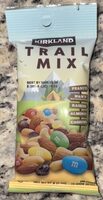
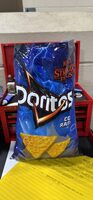
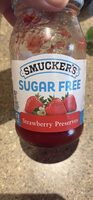
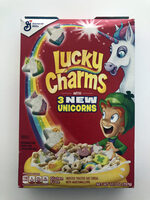
Popular products with Red 40
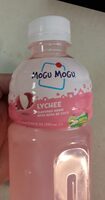 e NOVA 4
 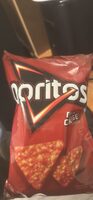 d NOVA 4
 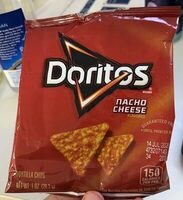 c NOVA 4
 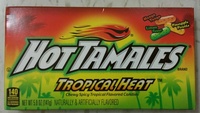 e NOVA 4
  b NOVA 4
  d NOVA 4
  d NOVA 4
  NOVA 4
  d NOVA 4
 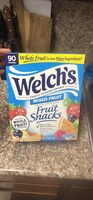 d NOVA 4
 Red 40-free alternatives
Popular products from the same categories that don't list Red 40 and score Nutri-Score A–C.
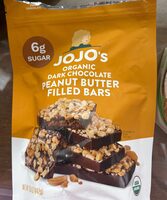 c NOVA 4
  c NOVA 4
 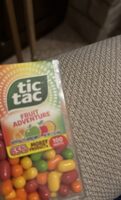 a NOVA 4
 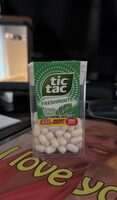 a NOVA 4
  a NOVA 3
 How to spot Red 40 on a label
Look for any of these names in the ingredient list:
Related additives
Frequently asked questions
Is Red 40 banned in Europe?
No. It is permitted in the EU as E129, but products that contain it must carry a warning that it "may have an adverse effect on activity and attention in children". Many European manufacturers use natural colorings instead to avoid that label.
Is Red 40 bad for kids?
Regulators consider it safe within the acceptable daily intake. However, studies such as the 2007 Southampton trial found that mixtures of synthetic dyes increased hyperactivity in some children. If you notice a reaction, a dye-free trial is a reasonable step.
Does Red 40 cause cancer?
No regulatory body classifies Red 40 as a carcinogen. FDA sets purity limits for contaminants in the dye.
Is Red 40 vegan?
Red 40 itself is synthetic and not animal-derived, so it is generally considered vegan. Some vegans avoid it because it has been tested on animals.
How much Red 40 is safe per day?
The ADI is 7 mg per kg of body weight: about 210 mg for a 30 kg (66 lb) child and 490 mg for a 70 kg (154 lb) adult. US labels do not list the amount, only that the dye is present.
What foods have Red 40?
Mostly candy, soft and sports drinks, frosted cereals, snack cakes, frosting and flavored snacks. See the products and categories above for what is in our database.
What is a natural alternative to Red 40?
Beet juice or beetroot red, paprika extract, lycopene (from tomatoes), purple sweet potato or carrot concentrates, and carmine (not vegan).
Sources & references
- U.S. FDA — Color Additives: Questions and Answers for Consumers
- 21 CFR 74.340 — FD&C Red No. 40
- EFSA (2009). Scientific Opinion on the re-evaluation of Allura Red AC (E 129) as a food additive. EFSA Journal 7(11):1327
- McCann D. et al. (2007). Food additives and hyperactive behaviour in 3-year-old and 8/9-year-old children in the community. The Lancet 370:1560–1567
- California OEHHA (2021). Health Effects Assessment: Potential Neurobehavioral Effects of Synthetic Food Dyes in Children
- Kwon Y.H. et al. (2022). Chronic exposure to synthetic food colorant Allura Red AC promotes susceptibility to experimental colitis via intestinal serotonin in mice. Nature Communications 13:7617
- Regulation (EC) No 1333/2008 on food additives, Annex V (warning label for certain colours)
- HHS (April 22, 2025). HHS, FDA to Phase Out Petroleum-Based Synthetic Dyes in Nation's Food Supply
- EFSA (2015). Refined exposure assessment for Allura Red AC (E 129). EFSA Journal 4007
- U.S. FDA — Tracking Food Industry Pledges to Remove Petroleum Based Food Dyes
- U.S. FDA — List of Select Chemicals in the Food Supply Under FDA Review
- National Agricultural Law Center — Preliminary Injunction Halts Enforcement of West Virginia's Food Dye Ban
Product data: Open Food Facts (ODbL), updated daily. Additive information is for general education and is not medical advice. Always check the package label. Our methodology.