
Carmine (Cochineal extract, E120)
Updated October 5, 2026
Carmine and cochineal extract (E120) are red colors made from the dried bodies of the cochineal insect. They are not vegan or vegetarian. Regulators consider them safe at normal intakes, but they can trigger genuine IgE-mediated allergic reactions, including rare anaphylaxis — which is why US law has required them to be named on the label since 2011.
Quick facts
- Also known as
- Cochineal extract, Carminic acid, Natural Red 4, E120
- E-number
- E120
- Function
- Colors
- US status
- Approved color additive, exempt from batch certification (21 CFR 73.100); since 2011 it must be named in the ingredient list as "carmine" or "cochineal extract"
- EU status
- Permitted as E120
- Acceptable daily intake
- 2.5 mg carminic acid per kg of body weight per day (EFSA 2015, re-expressing the older 5 mg carmine/kg limit); JECFA: 5 mg carmine/kg
- Found in
- 8,194 products (457 sold in the US)
- Foodmetria concern level
- Moderate concern How we rate additives
What is Carmine?
Carmine is one of the oldest food colors still in use. It is made from Dactylopius coccus, a scale insect that lives on prickly pear cactus, farmed mainly in Peru and the Canary Islands. The insects are dried and extracted; the coloring compound is carminic acid.
US regulations recognize two forms (21 CFR 73.100):
- Cochineal extract — the concentrated liquid extract, giving an orange-red to red shade.
- Carmine — the same coloring matter precipitated as an aluminum or calcium-aluminum "lake" on an aluminum hydroxide base. This is the bright, opaque crimson used in yogurts, surimi, candy coatings and cosmetics.
In Europe both fall under E120. Unlike the synthetic dyes, carmine does not require FDA batch certification: FDA concluded that certifying each batch is not necessary to protect public health.
Why is Carmine used in food?
Carmine gives a stable, true red that few other natural colors can match. Beet red fades and browns under heat, and anthocyanins from berries shift toward purple and blue as pH changes. Carmine holds its shade through pasteurization and across a wide pH range, which is why it survives in yogurt, fruit fillings, cured meats and imitation crab.
It is also attractive commercially because it can be labeled as a color of natural origin. The trade-off is that it comes from an insect — which is why it appears on a growing number of "do not use" lists for plant-based products, and why some manufacturers have switched back to synthetic dyes or moved to carrot, radish and sweet potato concentrates.
Is Carmine safe? What the research says
What regulators say. FDA permits both forms for coloring food generally, under good manufacturing practice. EFSA re-evaluated E120 in 2015 and found no reason to change the acceptable daily intake set in 1983 — but it re-expressed the figure to reflect what is actually being measured: 2.5 mg of carminic acid per kg of body weight per day (equivalent to the older limit of 5 mg of carmine/kg, since carmine is roughly 50% carminic acid). The WHO/FAO expert committee's ADI of 5 mg of carmine/kg, set in 1982, has been reaffirmed several times. EFSA's refined exposure estimates were below the ADI for every population group. Carminic acid was not genotoxic in testing, and rodent studies on acute, subchronic, carcinogenicity and reproductive endpoints raised no concerns.
The real issue is allergy, and it is not a myth. Carmine causes true IgE-mediated allergic reactions in a small number of people. The documented picture, summarized in the JECFA monograph, has two parts: occupational asthma in workers who inhale carmine dust at dye and food plants, confirmed by bronchial provocation testing; and systemic reactions after eating or drinking carmine-colored products — published cases include urticaria, angioedema and anaphylaxis after a carmine-colored aperitif and after carmine-colored yogurt. The allergens are residual insect proteins carried over with the pigment, not carminic acid itself, which is why purification matters: EFSA specifically recommended that manufacturers include purification steps to reduce protein carry-over.
No safe-for-everyone dose. EFSA stated plainly that no threshold dose can be established for allergic reactions. An ADI protects against toxicity; it does not protect a sensitized person. That is the honest reason this page sets its concern level at moderate rather than low: for the great majority of people carmine is a well-studied, unremarkable color, and for a small group it is a food allergen with no safe amount.
Labeling was the regulatory answer. In a final rule published January 5, 2009 and effective January 5, 2011, FDA required that carmine and cochineal extract be declared by their own names in the ingredient list rather than hidden under "artificial color" or "color added." FDA deliberately stopped short of an allergen-style warning: it concluded they are not "major food allergens" under the US allergen labeling law, and that naming them in the ingredient list is enough for sensitive consumers to avoid them.
Bottom line: carmine is not a toxicity problem. It is an allergy problem for a few people and an ingredient-ethics question for many more. Both are handled by reading the label, which US law now makes possible.
Carmine regulation: US vs EU
| Region | Status |
|---|---|
| United States | Permitted and exempt from batch certification (21 CFR 73.100). Must be declared in the ingredient list by name — "cochineal extract" or "carmine" — under a final rule effective January 5, 2011. Not part of the FDA dye phase-out and not on FDA's post-market review list. |
| United States (cosmetics) | Carmine must be declared prominently and conspicuously at least once in the labeling. |
| European Union | Permitted as E120 under Regulation (EC) No 1333/2008; declared by name or E number. No warning label requirement. |
| United Kingdom | Permitted as E120 under the same rules. |
Carmine and cochineal extract are approved in the US and in the EU, and neither is part of the current push against synthetic food dyes. They are not on FDA's tracker of petroleum-based dyes being phased out, nor on FDA's list of chemicals under post-market review. They are also absent from the state dye laws: California's AB 2316 and West Virginia's HB 2354 cover the certified synthetic colors, not colors exempt from certification.
The one US rule specific to carmine is a labeling rule. Since January 5, 2011, any food containing these additives must name "cochineal extract" or "carmine" in the ingredient statement; for cosmetics, carmine must be declared prominently at least once in the labeling. Before that rule, both could legally appear as "artificial color" — which is why older advice to "look for carmine on the label" did not work.
In the EU, E120 is permitted under the standard additive rules and must be declared by name or E number like any other additive.
Who should limit or avoid Carmine?
- Vegans and vegetarians. Carmine is made from insects, so it is neither. It is the single most common reason a yogurt, candy or fruit drink that looks plant-based is not.
- People following kosher or halal rules. Because the source is an insect, the status is contested and differs between certifying bodies. Anyone who needs certainty should rely on a product's certification mark rather than on the ingredient name.
- Anyone who has reacted to a red-colored food. Carmine allergy is uncommon but real, and reactions have ranged from hives to anaphylaxis. If you suspect it, this is worth investigating with an allergist rather than guessing; skin and specific IgE testing exist.
- Workers in food and cosmetics manufacturing. The best-documented harm is occupational asthma from inhaling carmine powder, which is a workplace-controls question rather than a consumer one.
- Parents of young children. There is no evidence linking carmine to the activity-and-attention concerns attached to synthetic dyes; it carries no warning label in the EU.
Foods that commonly contain Carmine
Share of published products in each category whose ingredient list includes Carmine.
Popular products with Carmine
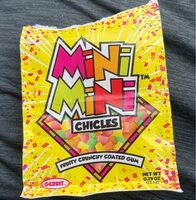 NOVA 4
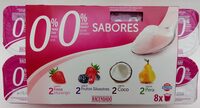 a NOVA 4
 e NOVA 4
 a NOVA 4
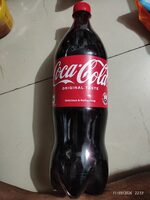 e NOVA 4
 e NOVA 4
 e NOVA 4
 c NOVA 4
 e NOVA 4
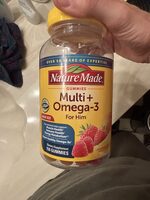 NOVA 4
Carmine-free alternatives
Popular products from the same categories that don't list Carmine and score Nutri-Score A–C.
 a NOVA 4
 a NOVA 4
 a NOVA 4
 b NOVA 4
 c NOVA 4
How to spot Carmine on a label
Look for any of these names in the ingredient list:
Related additives
Frequently asked questions
Is carmine really made from bugs?
Yes. Carmine and cochineal extract come from the dried bodies of the cochineal insect, Dactylopius coccus, farmed on prickly pear cactus. The coloring compound is carminic acid. There is no plant-derived version of carmine.
Is carmine vegan or vegetarian?
No. It is an animal-derived ingredient and is not accepted as vegan or vegetarian. Plant-based red options include beet juice, carrot, radish and purple sweet potato concentrates, lycopene and anthocyanins.
Is carmine kosher or halal?
It depends on the certifying body, and opinions differ because the source is an insect. If this matters to you, follow a product's certification mark rather than the ingredient list.
Can carmine cause an allergic reaction?
Yes. Carmine causes true IgE-mediated reactions in a small number of people, and published cases include hives, swelling and anaphylaxis after eating or drinking carmine-colored products. The trigger is residual insect protein, not the pigment. EFSA noted that no safe threshold can be set for allergic reactions.
Why does the label have to say "carmine"?
Because FDA required it. Until a rule that took effect on January 5, 2011, carmine could be listed as "artificial color" or "color added." FDA changed that specifically so people who react to it can identify and avoid it.
How much carmine is safe per day?
EFSA's acceptable daily intake is 2.5 mg of carminic acid per kg of body weight — about 75 mg for a 30 kg (66 lb) child and 175 mg for a 70 kg (154 lb) adult. EFSA found actual intakes below that for all age groups. The limit does not apply to people who are allergic, for whom no safe amount is defined.
Is carmine banned anywhere?
It is permitted in the US, the EU and the UK. It is not part of the US move away from petroleum-based synthetic dyes, which does not cover colors of natural origin.
Sources & references
- 21 CFR 73.100 — Cochineal extract; carmine
- U.S. FDA final rule (January 5, 2009; 74 FR 207). Listing of Color Additives Exempt From Certification; Food Labeling: Declaration of Cochineal Extract and Carmine
- EFSA (2015). Scientific Opinion on the re-evaluation of cochineal, carminic acid, carmines (E 120) as a food additive. EFSA Journal 13(11):4288
- JECFA — Carmines, evaluation summary (ADI 0–5 mg/kg bw)
- JECFA monograph — Cochineal extract, carmine and carminic acid (allergy and hypersensitivity data)
- U.S. FDA — List of Select Chemicals in the Food Supply Under FDA Review
Product data: Open Food Facts (ODbL), updated daily. Additive information is for general education and is not medical advice. Always check the package label. Our methodology.