
Schwarz brot vs Rugbrød
Overall, Schwarz brot has the better nutritional profile on the measures we compare. It wins on 4 of our comparison points versus 0.
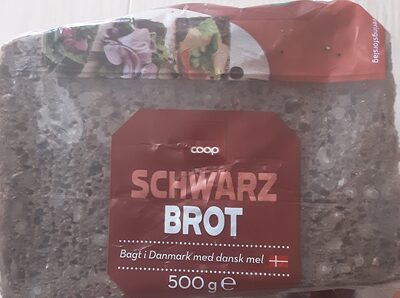

Nutrition per 100 g
| Nutrient | Schwarz brot | Rugbrød |
|---|---|---|
| Nutri-Score | a | d |
| NOVA group | 3 | 3 |
| Calories | 200 kcal | 200 kcal |
| Fat | 0.9 g | 1.5 g |
| Saturated fat | 0 g | 0.2 g |
| Sugars | 3 g | 2.9 g |
| Salt | 0 g | 2.8 g |
| Fiber | 8.4 g | 8.9 g |
| Protein | 5.8 g | 5.6 g |
| Additives | 0 | 0 |
| Allergens | Gluten, Bygmaltekstrakt, Fuldkornsrugmel, Hvedemel | Gluten |
Green = better value for that nutrient (less sugar, fat, salt and calories; more fiber and protein).
Key differences
- Schwarz brot has 38% less fat (0.9 g vs 1.5 g).
- Schwarz brot has no salt, while Rugbrød has 2.8 g.
- Schwarz brot has the better Nutri-Score.
- Only Schwarz brot lists: Bygmaltekstrakt, Fuldkornsrugmel, Hvedemel.
Ingredients
Schwarz brot
Surdej (vand, fuldkornsrugmel (14%), fuldkornsrugmel 22%, vand, fuldkornsrugkerner 17%, hvedemel, sukkersirup, salt tilsat jod, bygmaltekstrakt, rugfibre, fuldkornsbygmaltmel, gær, tørret surdej (fuldkornsrugmel, surdejskultur), salt, eddike
Rugbrød
MØRKT RUGBRØL Med 56 % fuldkorn, NETTOVÆGT: 500 g ANTAL: Ca, 9 skiver, VAREFAKTA KONTROLLERET BE U Ab er VK 38128 Pr Ke INGREDIENSER: 42% fuldkornsrugmel, 31% surdej (vand, fuldkornsrugmel), 21 % vand, hvedemel, rugsigtemel, brun sirup (sukkersirup, salt), salt tilsat jod, tørret surdej (fuldkorns - rugmel, surdejskultur), eddike, rugfibre, gær, NÆRINGSINDHOLD PR, 100 g: fo 0 a F fu PR, SKIVE*: k Energi 823 kJ 465 kJ P (
FAQ
Which is healthier: Schwarz brot or Rugbrød?
Overall, Schwarz brot has the better nutritional profile on the measures we compare. We compare Nutri-Score, processing level and seven nutrients per 100 g. Your own needs (for example low sugar or high protein) may make a different choice better for you.
Which has fewer calories?
Schwarz brot has fewer calories: 200 kcal versus 200 kcal per 100 g.
Which has less sugar?
Rugbrød has less sugar: 2.9 g versus 3 g per 100 g.