
Organic White Miso vs Garlic bag
Neither product is clearly better overall — it depends on what matters most to you.
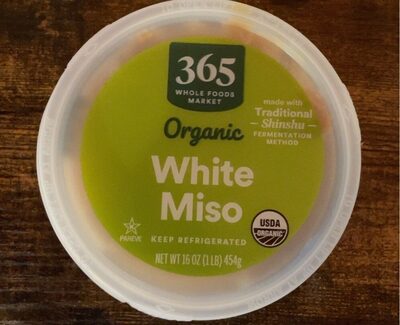

Nutrition per 100 g
| Nutrient | Organic White Miso | Garlic bag |
|---|---|---|
| Nutri-Score | d | a |
| NOVA group | 3 | 4 |
| Calories | 143 kcal | 79 kcal |
| Fat | 0 g | 0.5 g |
| Saturated fat | 0 g | 0.1 g |
| Sugars | 0 g | 1.9 g |
| Salt | 12.1 g | 0.3 g |
| Fiber | 14.3 g | — |
| Protein | 42.9 g | 9.8 g |
| Additives | 0 | 0 |
| Allergens | Soybeans | None listed |
Green = better value for that nutrient (less sugar, fat, salt and calories; more fiber and protein).
Key differences
- Garlic bag has 45% fewer calories (79 kcal vs 143 kcal).
- Organic White Miso has no fat, while Garlic bag has 0.5 g.
- Organic White Miso has no sugar, while Garlic bag has 1.9 g.
- Garlic bag has 98% less salt (0.3 g vs 12.1 g).
- Organic White Miso has 77% more protein (42.9 g vs 9.8 g).
- Garlic bag has the better Nutri-Score.
- Organic White Miso is less processed (lower NOVA group).
- Only Organic White Miso lists: Soybeans.
Ingredients
Organic White Miso
Water, Organic Soy Beans, Organic Rice Koji (Organic Rice, Koji [Aspergillus Oryzae]), Sea Salt, Yeast
Garlic bag
vegetables (potato, tomato, onion (8,5%), parsnip), garlic (24%), table salt, sugar, herbs and spices (parsley (2,5%), black pepper, paprika, ginger, coriander, marjoram, cayenne chili pepper), maize starch, sunflower oil, vinegar, beetroot concentrate, lemon juice concentrate, flavouring, may contain traces of wheat, eggs, soya, milk, celery and mustard, carefully blended by us bag
FAQ
Which is healthier: Organic White Miso or Garlic bag?
Neither product is clearly better overall — it depends on what matters most to you. We compare Nutri-Score, processing level and seven nutrients per 100 g. Your own needs (for example low sugar or high protein) may make a different choice better for you.
Which has fewer calories?
Garlic bag has fewer calories: 79 kcal versus 143 kcal per 100 g.
Which has less sugar?
Organic White Miso has less sugar: 0 g versus 1.9 g per 100 g.