
Organic psyllium husk powder vs Psílio
Overall, Organic psyllium husk powder has the better nutritional profile on the measures we compare. It wins on 3 of our comparison points versus 2.
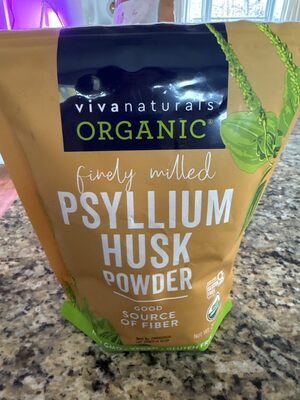
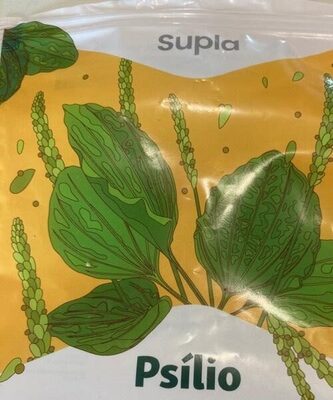
Nutrition per 100 g
| Nutrient | Organic psyllium husk powder | Psílio |
|---|---|---|
| Nutri-Score | — | a |
| NOVA group | 4 | — |
| Calories | 320 kcal | 69 kcal |
| Fat | 0 g | 1.5 g |
| Saturated fat | 0 g | 0.4 g |
| Sugars | 0 g | 1.6 g |
| Salt | 0 g | 0.3 g |
| Fiber | 80 g | 75 g |
| Protein | 0 g | 3.4 g |
| Additives | 0 | 0 |
| Allergens | Milk, Nuts | None listed |
Green = better value for that nutrient (less sugar, fat, salt and calories; more fiber and protein).
Key differences
- Psílio has 78% fewer calories (69 kcal vs 320 kcal).
- Organic psyllium husk powder has no fat, while Psílio has 1.5 g.
- Organic psyllium husk powder has no saturated fat, while Psílio has 0.4 g.
- Organic psyllium husk powder has no sugar, while Psílio has 1.6 g.
- Psílio has 100% more protein (3.4 g vs 0 g).
- Only Organic psyllium husk powder lists: Milk, Nuts.
Ingredients
Organic psyllium husk powder
ORGANIC PSYLLIUM HUSK (PLANTAGO OVATA, SEED HUSK) POWDER MAY CONTAIN SOY, MUSTARD AND SESAME. PRODUCED IN A FACILITY THAT ALSO PROCESSES PEANUTS, TREE NUTS AND MILK. PRODUCT OF INDIA PACKAGED IN THE USA FOR: VIVA NATURALS INC. 228 PARK AVE SOUTH, SUITE 2400 NEW YORK, NY 10003 1-800-921-8482 Certified Organic by QAI L ALITY INTERN CERTIFIED ORGANIC 7 01722 74787 SAN GLUTEN FREE 6 V4
Psílio
Casca de psílio (95%)*. *Produto de origem biológica.
FAQ
Which is healthier: Organic psyllium husk powder or Psílio?
Overall, Organic psyllium husk powder has the better nutritional profile on the measures we compare. We compare Nutri-Score, processing level and seven nutrients per 100 g. Your own needs (for example low sugar or high protein) may make a different choice better for you.
Which has fewer calories?
Psílio has fewer calories: 69 kcal versus 320 kcal per 100 g.
Which has less sugar?
Organic psyllium husk powder has less sugar: 0 g versus 1.6 g per 100 g.