
High Quality Protein vs Ervas finas
Overall, High Quality Protein has the better nutritional profile on the measures we compare. It wins on 6 of our comparison points versus 0.
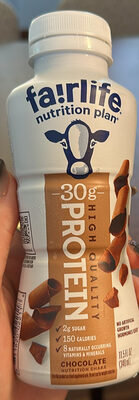

Nutrition per 100 g
| Nutrient | High Quality Protein | Ervas finas |
|---|---|---|
| Nutri-Score | — | d |
| NOVA group | 4 | 4 |
| Calories | 44 kcal | 232 kcal |
| Fat | 0.7 g | 21.8 g |
| Saturated fat | 0.4 g | 15.3 g |
| Sugars | 0.6 g | 2.9 g |
| Salt | 0 g | 1 g |
| Fiber | 0.3 g | 0.5 g |
| Protein | 8.8 g | 5.4 g |
| Additives | 4 | 1 |
| Allergens | Gluten, Milk, Soybeans | Milk |
Green = better value for that nutrient (less sugar, fat, salt and calories; more fiber and protein).
Key differences
- High Quality Protein has 81% fewer calories (44 kcal vs 232 kcal).
- High Quality Protein has 97% less fat (0.7 g vs 21.8 g).
- High Quality Protein has 97% less saturated fat (0.4 g vs 15.3 g).
- High Quality Protein has 80% less sugar (0.6 g vs 2.9 g).
- High Quality Protein has no salt, while Ervas finas has 1 g.
- High Quality Protein has 39% more protein (8.8 g vs 5.4 g).
- Only High Quality Protein lists: Gluten, Soybeans.
Ingredients
High Quality Protein
Filtered water, grade A milk protein concentrate, less than 1% of: alkalized cocoa, natural flavors, cellulose gel, cellulose gum, salt, acesulfame potassium, sucralose, lactase enzyme, soy lecithin, vitamin A palmitate, vitamin D3.
Ervas finas
98% fresh cheese (milk, coagulating enzyme of microbial origin, lactic ferments), salt, 0.2% parsley, 0.1% chives, garlic, onion, sugar, spice extracts, thickener: guar gum.
FAQ
Which is healthier: High Quality Protein or Ervas finas?
Overall, High Quality Protein has the better nutritional profile on the measures we compare. We compare Nutri-Score, processing level and seven nutrients per 100 g. Your own needs (for example low sugar or high protein) may make a different choice better for you.
Which has fewer calories?
High Quality Protein has fewer calories: 44 kcal versus 232 kcal per 100 g.
Which has less sugar?
High Quality Protein has less sugar: 0.6 g versus 2.9 g per 100 g.