
Comparison
Farina di mandorle vs Bioterra mediterranean fruits harina de alnendra
Neither product is clearly better overall — it depends on what matters most to you.
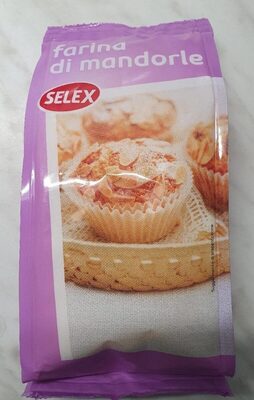
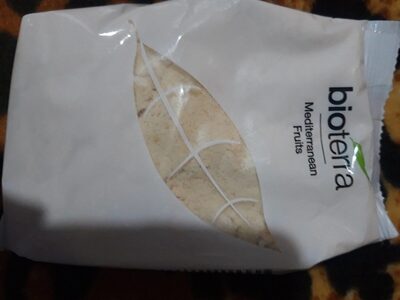
Nutrition per 100 g
| Nutrient | Farina di mandorle | Bioterra mediterranean fruit... |
|---|---|---|
| Nutri-Score | a | a |
| NOVA group | 1 | 1 |
| Calories | 613 kcal | 633 kcal |
| Fat | 53 g | 56.3 g |
| Saturated fat | 3.8 g | 5.5 g |
| Sugars | 4.6 g | 4.6 g |
| Salt | 0.1 g | 0.1 g |
| Fiber | 10 g | 9.9 g |
| Protein | 21 g | 26.6 g |
| Additives | 0 | 0 |
| Allergens | Nuts | Nuts |
Green = better value for that nutrient (less sugar, fat, salt and calories; more fiber and protein).
Key differences
- Farina di mandorle has 31% less saturated fat (3.8 g vs 5.5 g).
- Bioterra mediterranean fruits harina de alnendra has 21% more protein (26.6 g vs 21 g).
Ingredients
Farina di mandorle
Farina di mandorle.
Bioterra mediterranean fruits harina de alnendra
Harina de almendras BIO
FAQ
Which is healthier: Farina di mandorle or Bioterra mediterranean fruits harina de alnendra?
Neither product is clearly better overall — it depends on what matters most to you. We compare Nutri-Score, processing level and seven nutrients per 100 g. Your own needs (for example low sugar or high protein) may make a different choice better for you.
Which has fewer calories?
Farina di mandorle has fewer calories: 613 kcal versus 633 kcal per 100 g.
Which has less sugar?
Farina di mandorle has less sugar: 4.6 g versus 4.6 g per 100 g.
More comparisons
Farinha de Amêndoa sem p... vs Farina di mandorle
Farinha de Amêndoa sem p... vs Bioterra mediterranean f...
Poudre amande d'Espagne vs Farina di mandorle
Poudre amande d'Espagne vs Bioterra mediterranean f...
Ground almonds vs Farina di mandorle
Ground almonds vs Bioterra mediterranean f...
Amande en poudre vs Farina di mandorle
Amande en poudre vs Bioterra mediterranean f...