
Creamy cinnamon spread vs Paste di Meliga
Overall, Paste di Meliga has the better nutritional profile on the measures we compare. It wins on 7 of our comparison points versus 2.
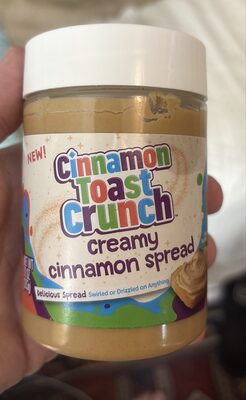
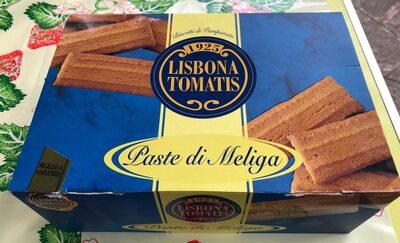
Nutrition per 100 g
| Nutrient | Creamy cinnamon spread | Paste di Meliga |
|---|---|---|
| Nutri-Score | e | d |
| NOVA group | 4 | 4 |
| Calories | 533 kcal | 375 kcal |
| Fat | 30 g | 11 g |
| Saturated fat | 3.3 g | 6 g |
| Sugars | 60 g | 23 g |
| Salt | 0.6 g | 0.2 g |
| Fiber | 0 g | 1.4 g |
| Protein | 6.7 g | 6 g |
| Additives | 2 | 4 |
| Allergens | Milk, Soybeans | Eggs, Gluten, Milk |
Green = better value for that nutrient (less sugar, fat, salt and calories; more fiber and protein).
Key differences
- Paste di Meliga has 30% fewer calories (375 kcal vs 533 kcal).
- Paste di Meliga has 63% less fat (11 g vs 30 g).
- Creamy cinnamon spread has 45% less saturated fat (3.3 g vs 6 g).
- Paste di Meliga has 62% less sugar (23 g vs 60 g).
- Paste di Meliga has 75% less salt (0.2 g vs 0.6 g).
- Paste di Meliga has 100% more fiber (1.4 g vs 0 g).
- Creamy cinnamon spread has 10% more protein (6.7 g vs 6 g).
- Paste di Meliga has the better Nutri-Score.
- Only Creamy cinnamon spread lists: Soybeans.
- Only Paste di Meliga lists: Eggs, Gluten.
Ingredients
Creamy cinnamon spread
BROWN SUGAR, CANOLA OIL, SKIM MILK, PALM OIL, CINNAMON, SOY LECITHIN, NATURAL FLAVOR, SALT. Contains: MILK, SOY.
Paste di Meliga
Farine de blé de type "00", farine de mais (25%), sucre, beurre, œufs frais de catégorie A, lait entier, miel, agents levants (diphosphate di - sodique et carbonate acide d'ammonium), sel. Peut contenir des traces de noisettes.
FAQ
Which is healthier: Creamy cinnamon spread or Paste di Meliga?
Overall, Paste di Meliga has the better nutritional profile on the measures we compare. We compare Nutri-Score, processing level and seven nutrients per 100 g. Your own needs (for example low sugar or high protein) may make a different choice better for you.
Which has fewer calories?
Paste di Meliga has fewer calories: 375 kcal versus 533 kcal per 100 g.
Which has less sugar?
Paste di Meliga has less sugar: 23 g versus 60 g per 100 g.